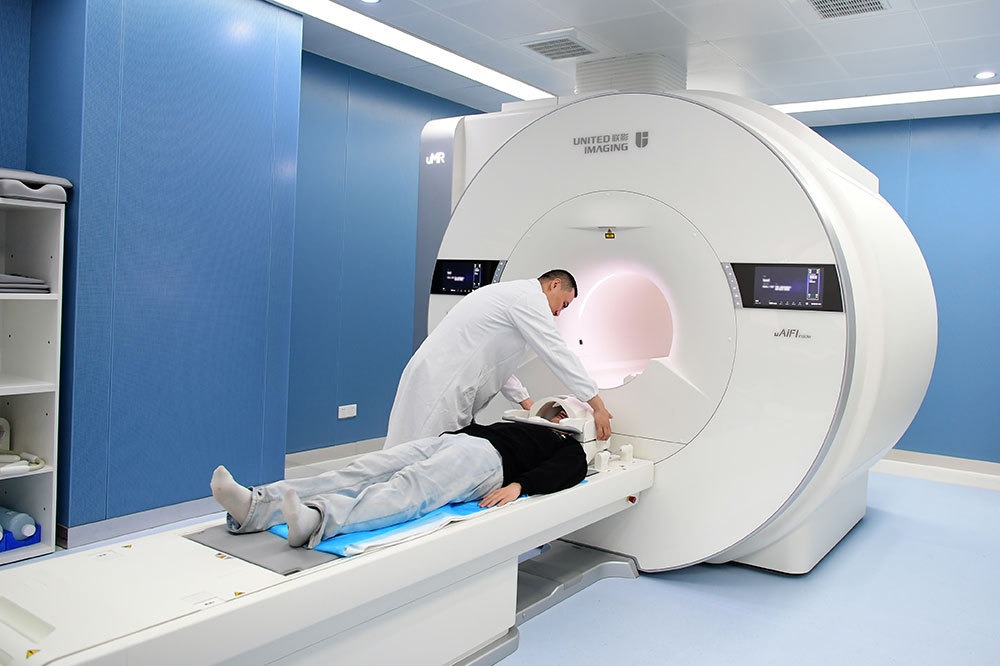
China’s Rising Role in Medical Tourism
China is rapidly positioning itself as a major force in the global medical tourism industry, increasingly being described as the next big destination for international patients. Once known primarily for sending patients abroad, the country is now attracting growing numbers of foreigners seeking high-quality and affordable healthcare, combined with modern innovation and cultural experiences.
This shift reflects a broader transformation in China’s healthcare system, as it expands its global reach and builds a reputation for delivering advanced treatments at competitive prices.
Surge in Foreign Patients and Market Growth
Recent data highlights the speed of China’s rise in this sector. In 2025, Chinese hospitals treated approximately 1.28 million foreign patients, representing a sharp increase of over 70 percent compared to previous years. Spending by international visitors on healthcare and related travel services has also grown significantly, signaling strong demand.
Market projections further underscore this momentum. Some estimates place the value of China’s medical tourism sector at over one billion dollars in 2025, with expectations that it could more than double within the next decade. Other forecasts suggest an even larger market size, driven by demand for specialized treatments such as cosmetic procedures and advanced therapies.
This growth is largely driven by efficiency, shorter waiting times, and lower costs, making China an appealing alternative for patients from countries where healthcare is expensive or delayed.
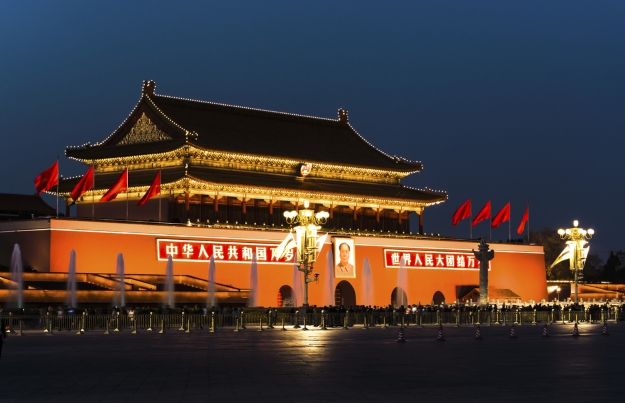
Why International Patients Are Choosing China
China’s appeal lies in a combination of affordability, innovation, and accessibility. Medical procedures can cost significantly less than in the United States or Europe, often by as much as half or more, even after factoring in travel expenses.
At the same time, leading hospitals in cities like Beijing, Shanghai, and Guangdong province are equipped with advanced technologies, including AI-assisted diagnostics, robotic surgery systems, and specialized treatment centers. These facilities are capable of handling complex cases, particularly in areas such as cancer treatment, heart surgery, and neurosurgery.
Another unique advantage is the integration of traditional and modern medicine. Patients can access Traditional Chinese Medicine alongside Western treatments, offering a more holistic approach to care that includes acupuncture, herbal therapies, and rehabilitation.
Improved visa policies and international patient services have also made the country more accessible. Expanded visa-free transit options and the availability of English-speaking medical staff in major hospitals are helping to remove previous barriers for foreign patients.
Government Support and Key Medical Hubs
China’s government has played a central role in promoting medical tourism through policy support and infrastructure development. Special zones such as the Boao Lecheng International Medical Tourism Pilot Zone in Hainan allow the use of advanced drugs and medical devices not yet widely available elsewhere in the country.
Major cities including Beijing, Shanghai, and provinces like Guangdong and Zhejiang have introduced dedicated programs and facilities tailored to international patients.
Top hospitals, including Peking Union Medical College Hospital, are becoming key destinations for foreign visitors seeking specialized and high-quality care.
Popular Treatments Driving Demand
International patients are traveling to China for a wide range of treatments. Advanced cancer therapies, including immunotherapy and cell-based treatments, are among the most sought after services. Cosmetic and plastic surgery is also a major driver of growth, alongside orthopedic procedures, cardiovascular care, and fertility treatments.
Other areas gaining attention include dental work, eye care, rehabilitation, and regenerative medicine, reflecting the diversity of services available.

Competing with Global Medical Tourism Leaders
China is entering a competitive landscape that includes established medical tourism destinations such as Thailand, India, and South Korea. Each of these countries has carved out a niche, whether in affordability, hospitality, or cosmetic procedures.
China differentiates itself through its scale, technological capabilities, and ability to handle complex medical cases. While it may not yet match the tourism-focused experience offered by some Southeast Asian destinations, its efficiency and depth of expertise are attracting increasing global attention.
Challenges and Considerations for Patients
Despite its rapid growth, medical travel to China comes with important considerations. Quality can vary between facilities, making it essential for patients to research hospitals, verify accreditations, and review doctor credentials carefully.
Language barriers, although improving, may still pose challenges outside major cities. Patients also need to consider how follow-up care will be managed once they return home, as well as the legal and regulatory differences that may affect treatment outcomes and dispute resolution.
Additionally, some advanced or experimental treatments may carry risks, making it important to consult healthcare providers and rely on reputable medical facilitators.
A Growing Force in Global Healthcare
With strong government backing, rapid technological advancement, and increasing international demand, China is steadily establishing itself as a key destination in global medical tourism.
The country offers more than just medical treatment. For many patients, it provides an opportunity to combine healthcare with cultural exploration and wellness experiences rooted in centuries-old traditions.
As the sector continues to evolve, China is likely to play an even larger role in shaping the future of international healthcare travel. What was once a niche option is quickly becoming mainstream, as more patients consider China for efficient, innovative, and cost-effective medical care.
Also Read
Xi Jinping and Pedro Sánchez Pledge Stronger China-Spain Ties Amid Global Tensions