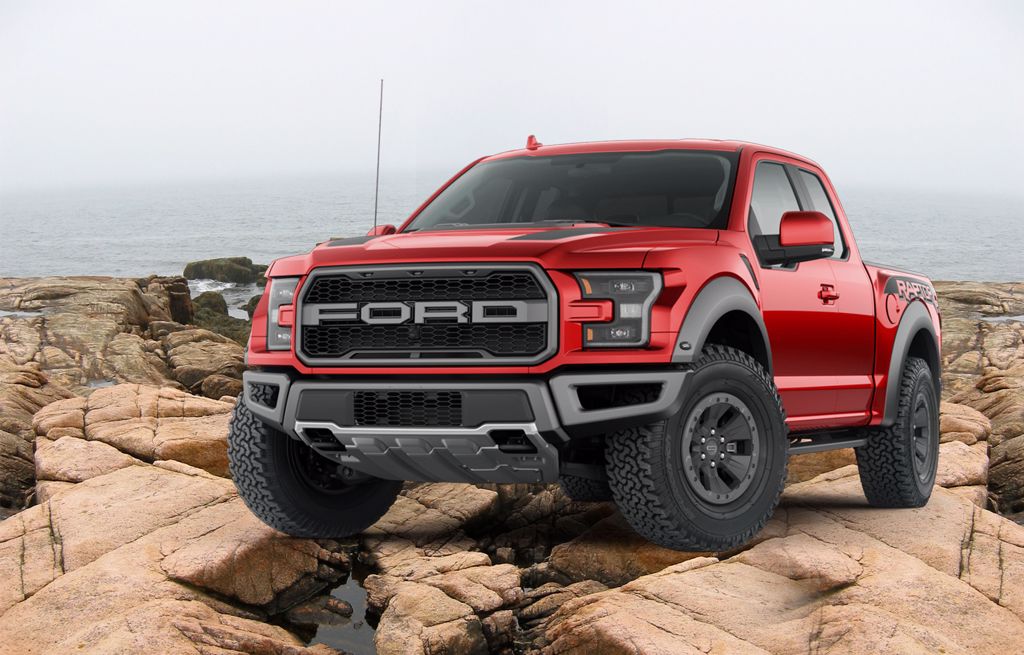
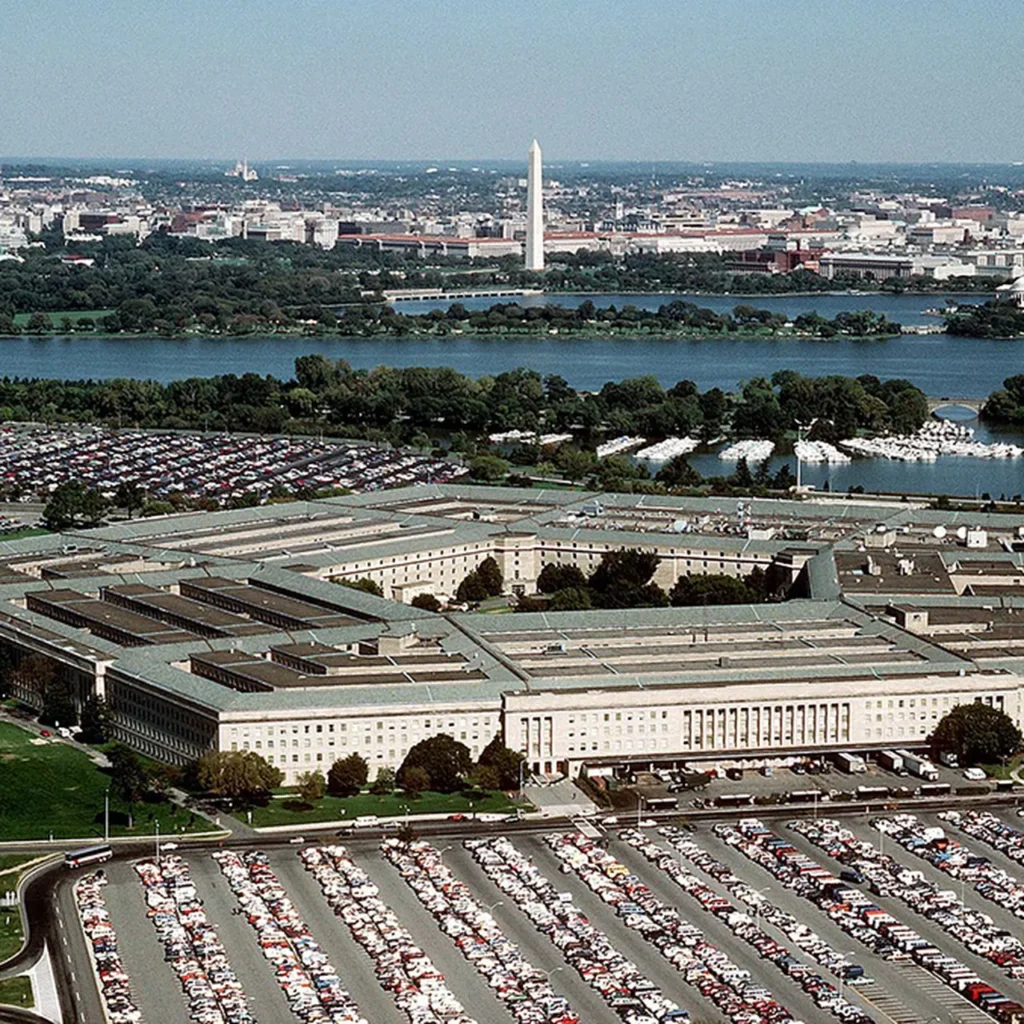
The U.S. Department of Defense has begun early discussions with leading American automakers about a potential shift that could reshape the country’s industrial landscape. Companies like General Motors and Ford Motor Company are being considered as part of a broader strategy to boost military production capacity amid rising global tensions.
The talks remain preliminary, but they signal a growing urgency within Washington to expand the defense industrial base beyond traditional contractors.
Why the Pentagon Is Reaching Out
The push comes as U.S. weapons stockpiles face increasing strain. Ongoing military support for Ukraine, combined with heightened tensions involving Iran, has accelerated the consumption of munitions, missiles, drones, and other tactical systems.
Defense manufacturers such as Lockheed Martin and Raytheon Technologies have struggled to keep up with the pace of demand. In response, the administration of Donald Trump is exploring ways to tap into America’s vast civilian manufacturing capabilities.
Inside the Talks
Senior Pentagon officials have reportedly engaged directly with top executives, including GM CEO Mary Barra and Ford CEO Jim Farley. Other companies involved in discussions include GE Aerospace and Oshkosh Corporation.
The conversations are described as exploratory and wide-ranging. Officials are assessing whether automakers could redirect factory lines, skilled labor, and supply chains toward producing military equipment or components. No formal agreements or contracts have been announced so far.
A Return to World War II-Era Strategy
The idea echoes the United States’ industrial mobilization during World War II, when automakers transformed production lines to manufacture tanks, aircraft, and military vehicles.
Back then, Detroit earned the nickname “Arsenal of Democracy” for its pivotal role in supporting the war effort. Today’s discussions suggest a modern version of that model, adapted to the demands of high-tech warfare, including precision-guided munitions and drone systems.
Why Automakers Are a Strategic Fit
Automakers bring several advantages that make them attractive partners for defense production.
Massive Production Capacity
Modern auto plants are built for scale, capable of producing hundreds of thousands of units annually. With the right adjustments, these facilities could potentially manufacture components or simpler military systems.
Skilled Workforce and Supply Chains
Companies like GM and Ford have deep expertise in precision engineering, electronics, and logistics. Their established supply chains could help accelerate production timelines.
Rapid Scaling Potential
Unlike many specialized defense contractors, automakers are designed to ramp production quickly when demand rises, a critical factor in prolonged conflicts.
Challenges to Overcome
Despite the potential, shifting from civilian to military production is far from straightforward.
Defense manufacturing requires strict compliance with military standards, security clearances, and regulatory frameworks. Retooling factories could be costly and time-consuming, and any diversion of resources might disrupt normal vehicle production.
Pentagon officials are reportedly working with industry leaders to identify barriers, particularly in procurement and contracting processes, that could slow down such a transition.
What It Could Mean
National Security Boost
Expanding the industrial base could help the U.S. replenish weapons stockpiles faster and reduce reliance on a small group of defense contractors.
New Opportunities for Automakers
For companies like GM and Ford, defense contracts could open up new revenue streams, especially during periods of fluctuating auto demand.
Possible Impact on Consumers
If automakers shift significant capacity toward defense production, it could tighten the supply of consumer vehicles, including electric models, potentially pushing prices higher.
A Broader Strategic Shift
This initiative aligns with wider efforts to strengthen U.S. manufacturing for national security purposes. Tools like the Defense Production Act could play a key role in facilitating partnerships between the government and private industry.
Ultimately, the Pentagon’s outreach reflects a larger strategic vision: treating America’s industrial strength as a core asset in an era defined by great-power competition and prolonged geopolitical instability.
While still in its early stages, the Pentagon’s engagement with automakers marks a significant shift in how the U.S. may approach defense production in the future.
Whether this evolves into a full-scale industrial mobilization remains uncertain. But the message is clear, Washington is preparing for a world where economic and manufacturing power are just as critical as military strength.
Also Read
US Navy Initially Rules Out Escorts for Ships in the Strait of Hormuz