The United Kingdom has pledged to contribute troops to a proposed multinational peacekeeping force in Ukraine, signaling a deepening commitment to European security. However, the move has sparked internal tensions within government, particularly over how preparations for the mission are being funded.
The initiative, still contingent on a ceasefire agreement, forms part of a broader Western effort to stabilize Ukraine following Russia’s ongoing invasion.
A Multinational Force for Ukraine
The proposed Multinational Force for Ukraine (MNFU) is being developed as a post-conflict stabilisation mission. Led by the UK and France, the plan involves a “coalition of the willing” that would deploy troops to deter renewed aggression and support Ukraine’s long-term security.
The UK government, under Prime Minister Keir Starmer, has taken a leading role in shaping this effort. British troops, potentially numbering in the low thousands, could be deployed to train Ukrainian forces, secure strategic areas, and reinforce deterrence against future attacks.
Early Preparations Underway
Although no deployment has taken place, groundwork is already being laid. A small planning headquarters of around 70 personnel has been established, and preparations are advancing to ensure rapid deployment if a peace agreement is reached.
Defence Secretary John Healey announced a £200 million package aimed at strengthening readiness. The funding is being used to upgrade military vehicles, improve communications systems, and enhance protection against drone threats.
The £200 Million Funding Row
At the center of the controversy is how this £200 million is being financed.
Officially, the Ministry of Defence (MoD) has stated that the funds are coming from its existing budget. This means the money is being reallocated from within current defence spending rather than provided as additional support from central government reserves.
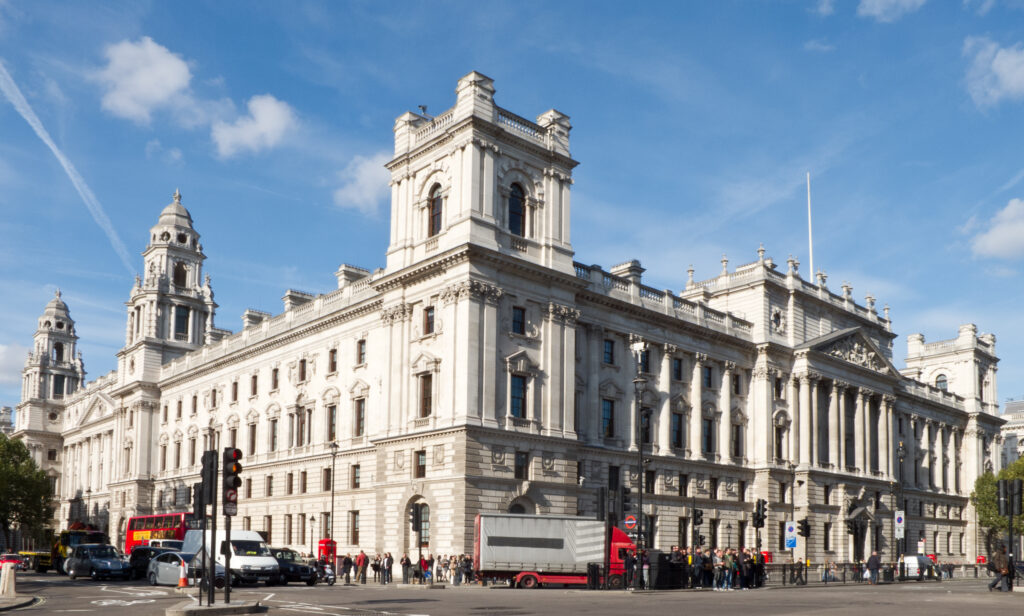
However, reports suggest that the UK Treasury may have previously indicated it would cover such costs through contingency funds. The decision to instead charge the MoD has led to friction within government, with some defense figures criticizing the move as short-sighted given rising global security threats.
Why the Funding Source Matters
Traditionally, the UK has relied on central reserve funds to cover the extra costs of overseas operations and military aid. This approach allows the MoD to maintain its core capabilities without diverting resources from essential programs.
Shifting the financial burden internally means that other defence priorities could face cuts or delays. This comes at a time when the British military is already under pressure to balance modernization, readiness, and budget constraints.
Strategic and Political Context
The UK’s move reflects a broader shift in global security dynamics. With the United States under Donald Trump urging European nations to take greater responsibility for regional defense, countries like the UK and France are stepping up their roles.
At the same time, the proposal faces significant geopolitical challenges. Russia has strongly opposed any Western troop presence in Ukraine, viewing it as a potential escalation.
The deployment of British troops remains conditional on a ceasefire or peace agreement, which has yet to materialize. Until then, planning and preparation will continue behind the scenes.
The funding dispute, however, highlights a key challenge: aligning political commitments with sustainable financial support. As the UK positions itself as a security leader in Europe, questions remain about how far it can stretch its defence resources.
The UK’s commitment to a multinational peacekeeping force in Ukraine underscores its determination to play a leading role in post-war stability. Yet the £200 million funding controversy reveals the complexities of turning strategic ambition into practical action.
As the conflict continues, the success of such initiatives will depend not only on diplomatic developments but also on the ability of governments to fully resource their military commitments.
Also Read
UK to Host 35-Nation Emergency Meeting to Reopen Strait of Hormuz Amid Iran Conflict
VFS Global Expands UK Visa Services to Entebbe, Boosting Travel Convenience for Ugandans