Uganda has taken a decisive step toward reviving its long-delayed Standard Gauge Railway (SGR) project by appointing Citibank as the lead arranger for financing. The move, announced on April 16, 2026, signals renewed determination by the government to push forward one of its most ambitious infrastructure projects after years of setbacks.
The railway, estimated at €2.7 billion (about $3.19 billion), is central to Uganda’s long-term economic strategy and regional integration plans.
Background: A Project Years in the Making
Uganda’s SGR project has faced multiple delays, largely due to financing uncertainties tied to earlier negotiations with Chinese lenders that failed to materialize. In response, the government shifted strategy, awarding the construction contract to Turkish firm Yapi Merkezi in October 2024.
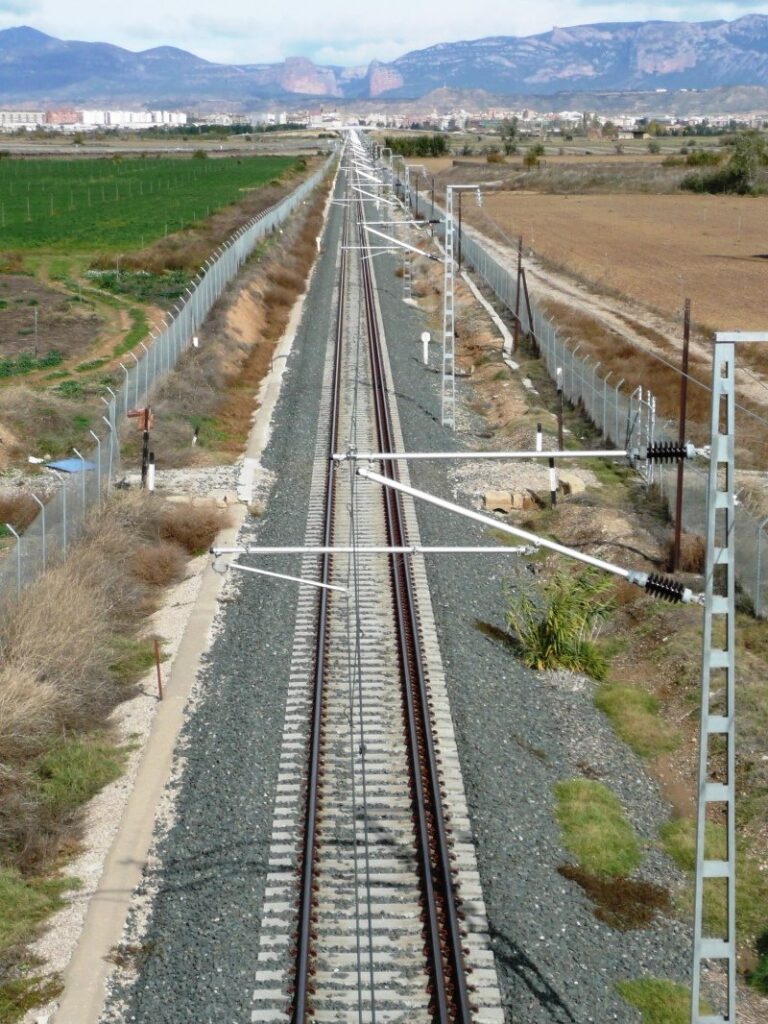
The project involves building a modern railway line stretching roughly 272 to 273 kilometers from Malaba at the Uganda-Kenya border to Kampala, with possible extension toward Tororo. Once completed, it will replace or complement the outdated metre-gauge system that has long constrained efficient transport.
Construction is expected to take about four years once full financing is secured.
Citibank’s Role in Unlocking Funding
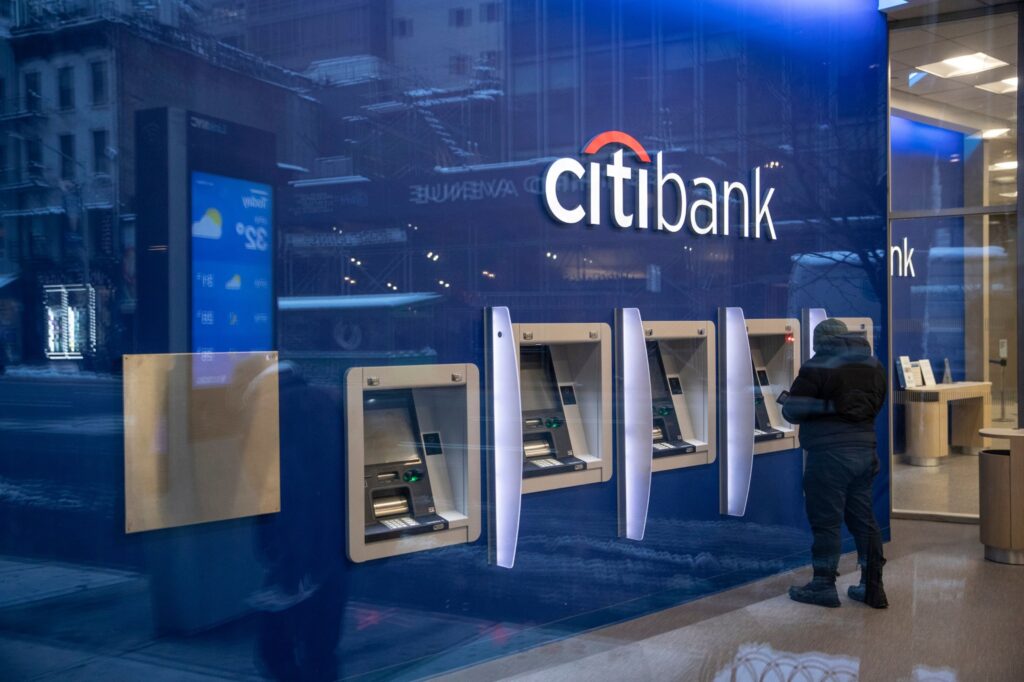
The appointment of Citibank marks a strategic pivot toward a more diversified financing model. The bank has been tasked with mobilizing and syndicating the bulk of the required funds, working with a mix of international lenders and development partners.
Ugandan officials recently engaged Citibank executives during global financial meetings in Washington, D.C., underscoring the urgency of reaching financial closure. The goal is to bring together multiple funding streams that can support the scale and complexity of the project.
A Shift to Blended Financing
Unlike earlier attempts that relied heavily on a single funding source, Uganda is now pursuing a blended financing approach designed to spread risk and secure better terms.
This model is expected to combine support from institutions such as the World Bank, the African Development Bank, and the Islamic Development Bank, alongside export credit agencies and commercial loans arranged by Citibank.
Government contributions may also form part of the overall financing package, reflecting a more collaborative and flexible approach to large-scale infrastructure funding.
Strategic Importance for Uganda and the Region
The SGR is not just a national project. It is a critical link in a wider East African transport corridor designed to connect inland economies to global markets.
By linking Kampala to Mombasa through Kenya’s existing rail network, the project is expected to significantly reduce travel time and logistics costs. Freight movement that currently takes many hours could be streamlined, boosting trade efficiency and competitiveness.
The railway also aligns with broader regional goals under frameworks like the African Continental Free Trade Area, which aims to enhance cross-border trade and economic integration.
Growing Regional Momentum
Uganda’s progress comes at a time when regional partners are also advancing their sections of the railway. Kenya has already developed key parts of its SGR network, with ongoing plans to extend it further toward the Ugandan border.
Recent engagements between Uganda, Kenya, and Rwanda have emphasized the importance of completing the corridor, positioning Uganda’s section as a crucial missing link in the network.
Workshops and high-level meetings in Kampala involving financiers, contractors, and government officials have further reinforced the sense of urgency and coordination.
Economic Impact and Opportunities
The successful completion of the SGR could transform Uganda’s economic landscape in several ways.
Reduced transport costs are expected to benefit exporters, particularly in agriculture and minerals, by improving access to international markets. Faster and more reliable logistics could also attract investment and support industrial growth.
In the short term, construction activities are likely to create jobs and stimulate local economies along the route. In the long term, the railway could serve as a backbone for sustained economic development.
Challenges and the Road Ahead
Despite the positive momentum, the project still faces a critical hurdle: securing full financing. Large infrastructure projects of this scale require complex coordination among multiple stakeholders, and delays in financial closure could push timelines further.
However, the involvement of Citibank, combined with growing support from international financial institutions, has increased confidence that the project can move forward.
Uganda’s decision to bring Citibank on board reflects a pragmatic shift in strategy, moving away from stalled single-source financing toward a more resilient, multi-partner model.
If successful, the Standard Gauge Railway could become a transformative asset, reshaping transport, trade, and economic growth in Uganda and across East Africa. The coming months will be critical in determining whether this long-awaited project finally moves from planning to full-scale implementation.
Also Read
EU Pledges $33 Million to Modernize Uganda’s Hydropower Sector
Digital Euro Project Advances as ECB Pushes Toward Europe’s Central Bank Digital Currency