Leaders Meet in Beijing at a Critical Moment
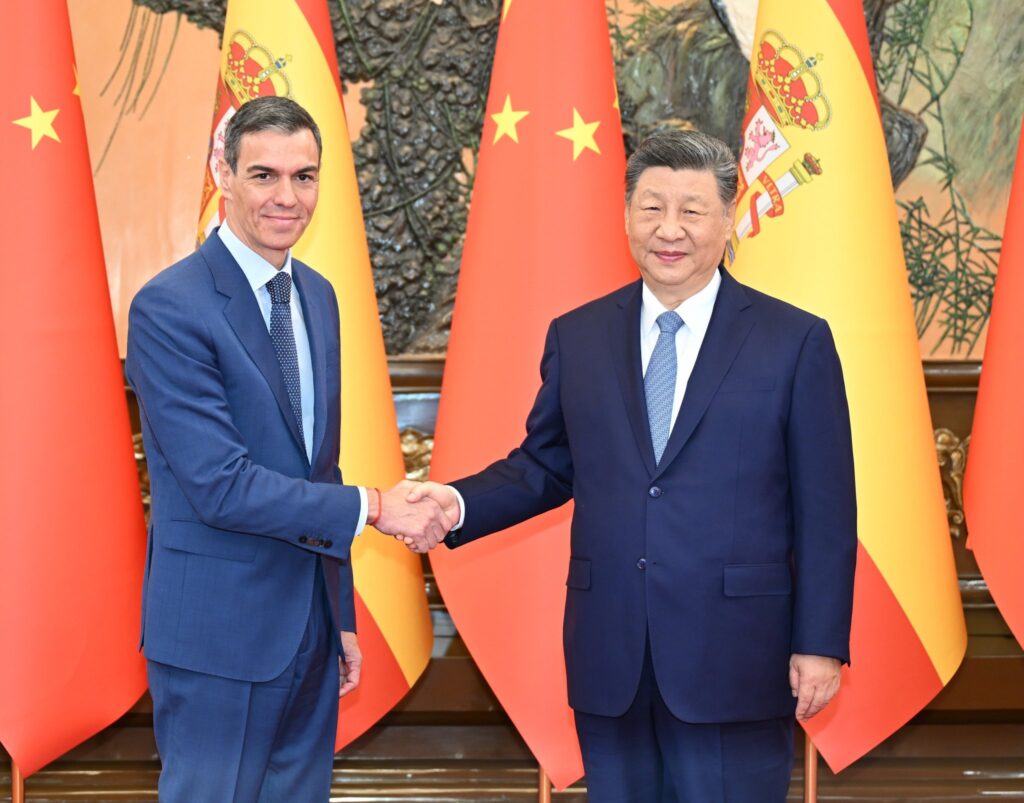
Chinese President Xi Jinping and Spanish Prime Minister Pedro Sánchez met on April 14, 2026, at the Great Hall of the People in Beijing, reaffirming their commitment to strengthening bilateral relations and defending multilateralism.
The meeting took place against a backdrop of rising global instability, with ongoing conflicts, including the escalating Iran war, shaping diplomatic priorities and international discourse.
A Visit Reflecting Deepening Engagement
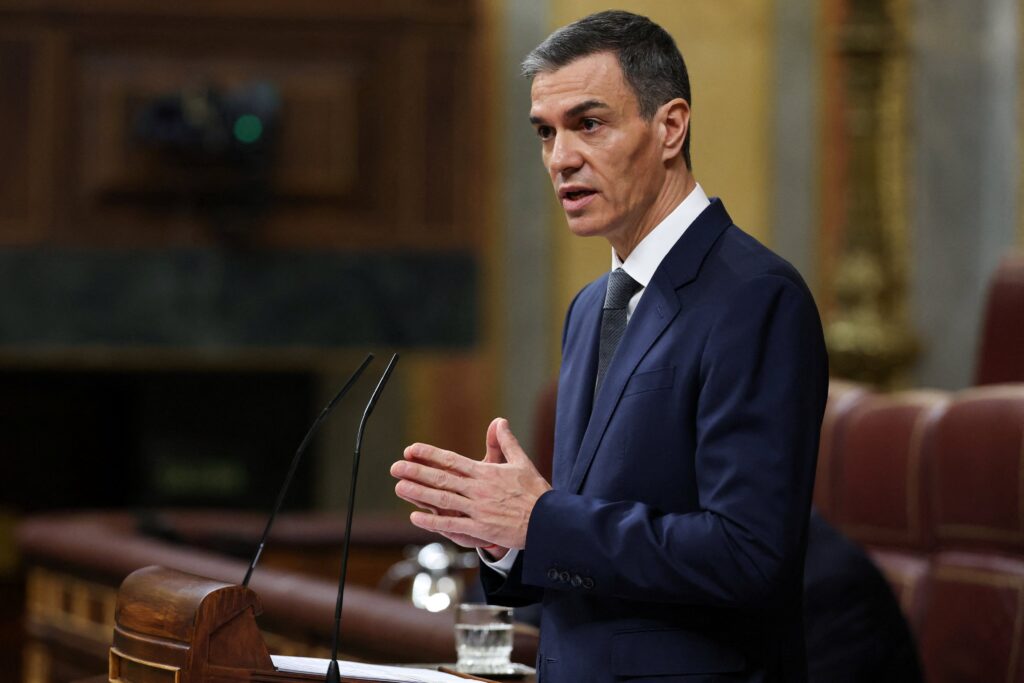
Sánchez’s trip marked his fourth visit to China in just over three years, signaling Spain’s sustained effort to build closer ties with Beijing. Ahead of the meeting, he delivered a speech at Tsinghua University, urging China to take on a greater leadership role in promoting global stability.
He called on Beijing to use its influence to support international law and help resolve conflicts in regions such as Iran, Gaza, Lebanon, the West Bank, and Ukraine. His remarks positioned Spain as an advocate for a more balanced and cooperative global order.
Calls for “Genuine Multilateralism”
During their talks, Xi Jinping emphasized the importance of unity and cooperation in what he described as a period of global uncertainty. He warned against a return to what he termed the “law of the jungle,” urging nations to strengthen communication and mutual trust.
Both leaders highlighted their shared commitment to multilateral institutions and a rules-based international system. Their statements reflected a clear alignment on the need for collective approaches to global challenges, particularly at a time when geopolitical divisions are widening.
Sánchez echoed these sentiments, stressing the importance of respecting international law and maintaining open channels of cooperation in an increasingly fragmented world.

Meeting in the Shadow of the Iran Conflict
The timing of the meeting added significant weight to its message. The ongoing Iran war, which escalated following U.S. and Israeli strikes earlier in 2026, has intensified global tensions and raised concerns about energy security and regional stability.
Recent developments, including a U.S. naval blockade targeting Iranian ports, have further heightened fears of disruption in key shipping routes such as the Strait of Hormuz, a critical artery for global oil supply.
Against this backdrop, both China and Spain positioned themselves as advocates for diplomatic solutions and de-escalation.
Strengthening Economic and Strategic Ties
Beyond political alignment, the meeting also reinforced growing economic cooperation between the two countries. China remains Spain’s largest trading partner outside the European Union, with bilateral trade continuing to expand.
Spain has increasingly positioned itself as a gateway for Chinese investment into Europe, particularly in sectors such as renewable energy, infrastructure, and advanced manufacturing. At the same time, Madrid has sought to boost exports of agricultural products and other goods to the Chinese market.
This взаимный economic interest has underpinned a broader strategic partnership that continues to evolve.
Spain’s Role as a Bridge in Europe
Spain’s approach to China reflects a broader effort to balance its relationships within the European Union while maintaining constructive ties with global powers. Sánchez has often advocated for engagement rather than confrontation, even as some European nations adopt more cautious or critical stances toward Beijing.
This positioning allows Spain to act as a potential bridge between China and the EU, promoting dialogue and cooperation on shared challenges such as climate change, trade, and global security.
A Shared Vision in a Divided World
While no major agreements were announced immediately following the meeting, the symbolism of the encounter was clear. Both leaders used the moment to reaffirm their commitment to collaboration and to push back against rising unilateralism in global affairs.
For China, the meeting reinforced its narrative as a proponent of multilateral cooperation. For Spain, it highlighted a pragmatic foreign policy approach aimed at navigating an increasingly complex geopolitical landscape.
As global tensions continue to mount, the Xi-Sánchez meeting underscores the importance of sustained diplomatic engagement. It reflects a growing recognition among both major and middle powers that cooperation remains essential in addressing shared challenges.
In a world marked by conflict and uncertainty, the renewed commitment to multilateralism from Beijing and Madrid signals an تلاش to preserve stability and foster dialogue, even as geopolitical fault lines deepen.
Also Read
Russia, China, and France Block UN Push for Military Action to Reopen Strait of Hormuz
Spain Refuses to Support Iran Strikes, Trump Threatens to Cut Off Trade