
Surge in Births Highlights Uganda’s Rapid Population Growth
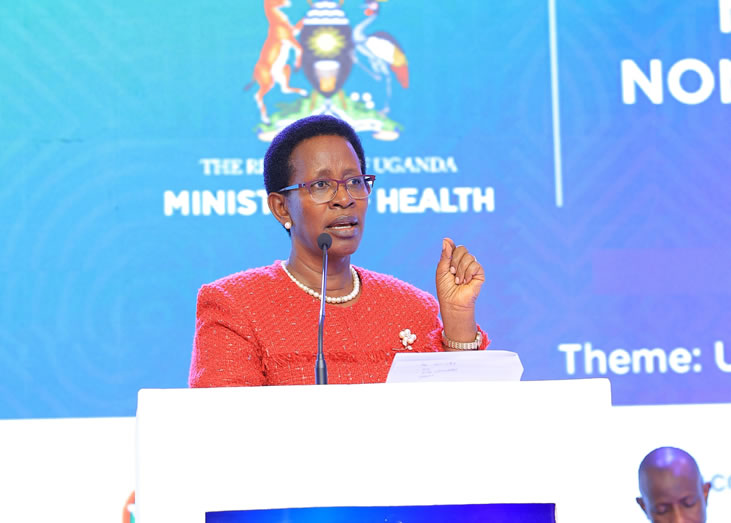
Uganda registered approximately 2 million live births in 2025, according to senior health officials from the Ministry of Health. The figure was disclosed by Dr. Diana Atwine, Permanent Secretary at the Ministry of Health, while appearing before Parliament’s Public Accounts Committee.
She further noted that the total number of pregnancies could have reached nearly 3 million when accounting for stillbirths, miscarriages, and infant deaths, highlighting the scale of reproductive health demand in the country.
The figures reinforce Uganda’s position as one of the fastest-growing populations globally, with continued pressure on essential public services.
A Young and Fast-Growing Population
Uganda’s population is estimated at around 48 to 51 million in the mid-2020s, with nearly half of its citizens under the age of 15. The country continues to experience a high annual growth rate of about 2.9 percent.
Although fertility rates have declined significantly from about 7 children per woman in the early 2000s to approximately 4.5 in recent estimates, they remain well above the global average. Crude birth rates remain high, translating to roughly 1.7 to 2 million live births each year depending on population estimates.
This demographic structure continues to shape national planning in health, education, and economic development.
Health System Under Growing Strain
Health officials acknowledge that the rising number of births is placing significant pressure on Uganda’s healthcare system, which is already stretched in both urban and rural areas.
Dr. Atwine noted that population growth is outpacing the expansion of health infrastructure and services. Many health facilities are experiencing overcrowding, with reports of mothers sharing beds or delivering under constrained conditions.
Shortages of skilled health workers remain a major challenge, particularly in rural areas where midwives and doctors are insufficient to meet demand. This has led to overworked staff and reduced service efficiency in many facilities.
Gaps in Maternal and Newborn Care
Resource shortages continue to affect the quality of maternal and newborn healthcare. Many health centers report frequent stock-outs of essential medicines and equipment needed for safe deliveries and neonatal care.
Infrastructure limitations, including inadequate maternity beds, under-equipped neonatal units, and unreliable power supply in rural areas, further compound the problem.
Uganda still records high levels of maternal and newborn health risks. Estimates suggest around 32,000 neonatal deaths annually, approximately 26,000 stillbirths, and maternal mortality ranging between 189 and 207 per 100,000 live births. These challenges point to significant gaps in emergency obstetric and newborn care.
Efforts to Improve Maternal Health Services
Despite these challenges, targeted interventions have shown progress in some regions. The installation of solar power systems in rural health facilities has improved lighting for nighttime deliveries and vaccinations, contributing to better service delivery in hard-to-reach areas.
However, health experts emphasize that such interventions remain localized and are not yet sufficient to address systemic weaknesses across the entire healthcare network.
Demographic Pressures and Socio-Economic Implications
Uganda’s high fertility rate and youthful population present both opportunities and challenges. In the long term, the country could benefit from a demographic dividend if investments in education, healthcare, and employment are effectively scaled up.
At present, however, the high dependency ratio places heavy pressure on public systems, including healthcare, education, sanitation, and food security. Rapid urbanization and persistent rural poverty further widen inequalities in access to family planning and maternal healthcare services.
Teenage pregnancies, early marriages, and limited access to reproductive health education continue to contribute significantly to overall birth rates.

Family Planning Progress and Ongoing Barriers
Although contraceptive use has increased and unmet need for family planning has declined in recent years, significant barriers remain. Cultural preferences for larger families, limited access in rural communities, and gaps in reproductive health education continue to affect uptake.
These factors make it difficult to achieve a sharper decline in fertility rates despite ongoing public health efforts.
The 2025 birth statistics highlight an urgent need for stronger investment in maternal and child health services, as well as broader health system strengthening. Government initiatives such as the National Health Compact (2025–2030) aim to address workforce shortages, infrastructure gaps, and financing constraints.
International partnerships and targeted maternal health programs have demonstrated localized success, but scaling these interventions remains a key challenge.
Without faster alignment between population growth and service expansion, Uganda risks increased strain on health facilities, higher preventable mortality, and growing pressure on social services.
At the same time, experts note that effectively investing in Uganda’s youthful population through improved health, education, and economic opportunities remains critical for long-term sustainable development.
Also Read
Oxford Study Suggests Masturbation May Help Maintain Healthier Sperm
Health Ministry Dismisses Viral Nipah Virus Outbreak Claims in Uganda