Fast-tracked approval funds elections, health staffing, security, and AFCON preparations
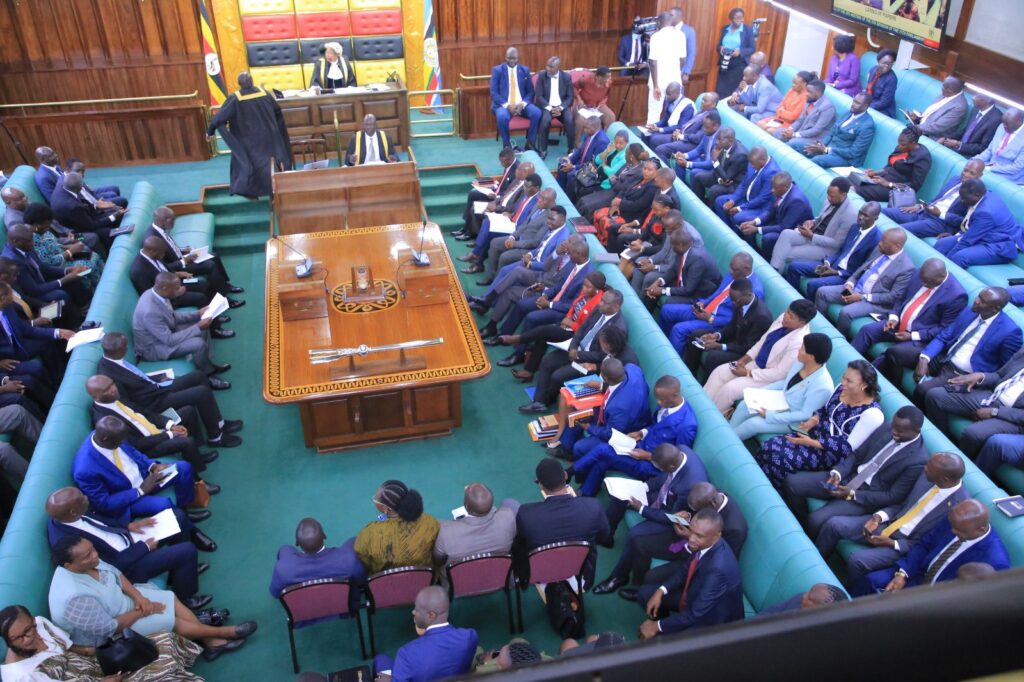
On May 5, 2026, the Parliament of Uganda approved Supplementary Expenditure Schedule No. 5 for the 2025 to 2026 financial year. The package amounts to about Shs 1.105 trillion and comes just weeks before the close of the fiscal period.
The move adds a significant layer of spending to the national budget as the government addresses urgent priorities across multiple sectors.
Key Areas of Spending
The supplementary allocation targets several areas of need. Funding has been set aside for local council elections, including LC I, LC II, and Women Council polls. The health sector will receive support for the recruitment of additional workers to strengthen service delivery.
Preparations for hosting the Africa Cup of Nations also feature prominently, reflecting Uganda’s role in the regional tournament. Security spending includes allocations to the Uganda Police Force to settle outstanding obligations.
The budget also provides funds for the presidency, including classified expenditure for State House and a separate allocation for the swearing-in of Yoweri Kaguta Museveni.
How the Budget Will Be Financed
Officials indicated that most of the funding will come from internal adjustments rather than large-scale new borrowing. These include efficiency gains, reallocations, and cash management savings.
Additional resources will come from local revenue collections and a smaller portion from external financing, including support linked to the World Bank.
Fast-Tracked Approval Raises Concerns
The request was presented by Finance Minister of State Henry Musasizi. Parliament suspended standard procedures to allow quick passage of the supplementary schedule. This meant bypassing detailed review by the Budget Committee and other sectoral committees.
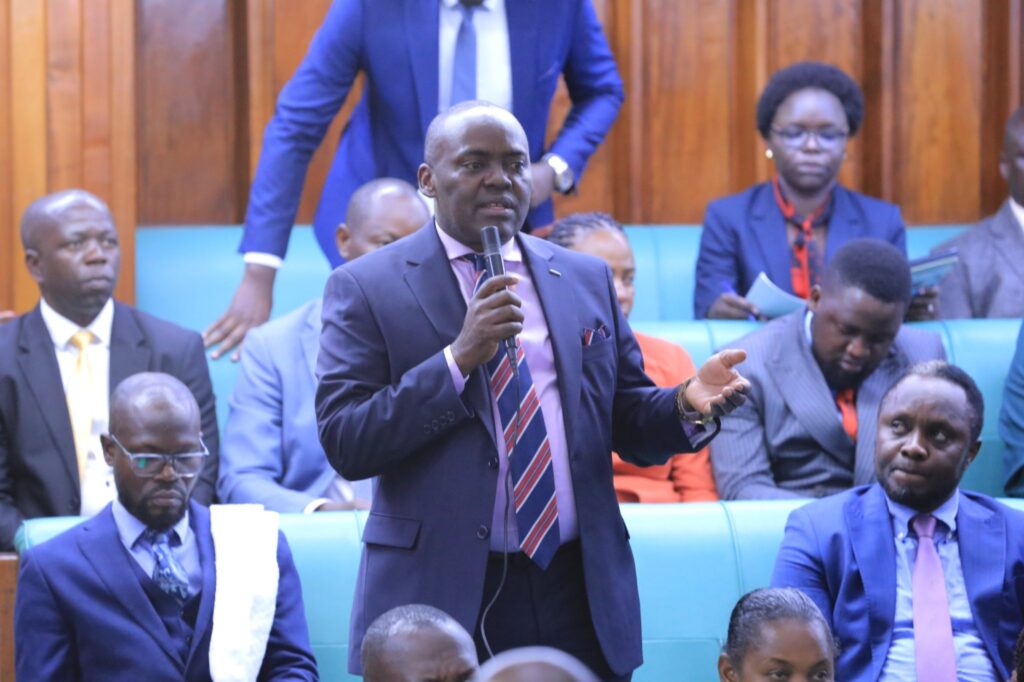
Opposition members, including Ibrahim Ssemujju Nganda, criticized the process. They raised concerns about limited scrutiny, the timing of the request, and the scale of certain allocations. Reports of heavy security presence around Parliament added to tensions during the debate.
Debate Over Fiscal Discipline
Supplementary budgets remain a common feature in Uganda’s fiscal management. They allow the government to respond to emerging needs that were not fully covered in the original budget.
Critics argue that frequent and large supplementary allocations weaken budget discipline and reduce transparency. Supporters maintain that such measures ensure continuity of government programs and address urgent national priorities.
Implications for the Financial Year
The Shs 1.1 trillion addition will influence the final expenditure for the 2025 to 2026 financial year. It also sets the stage for upcoming discussions on the next budget cycle, particularly around planning, oversight, and spending priorities.
As the financial year closes, attention is likely to shift toward how these funds are used and whether similar supplementary requests will shape future fiscal policy.
Also Read
President Museveni’s UGX 100 Million ‘Handshake’ to NRM MPs Sparks Nationwide Debate
Museveni Commissions $300 Million Cement Plant in Moroto, Marking Industrial Milestone for Karamoja