New law targets foreign influence as critics warn of risks to rights and investment
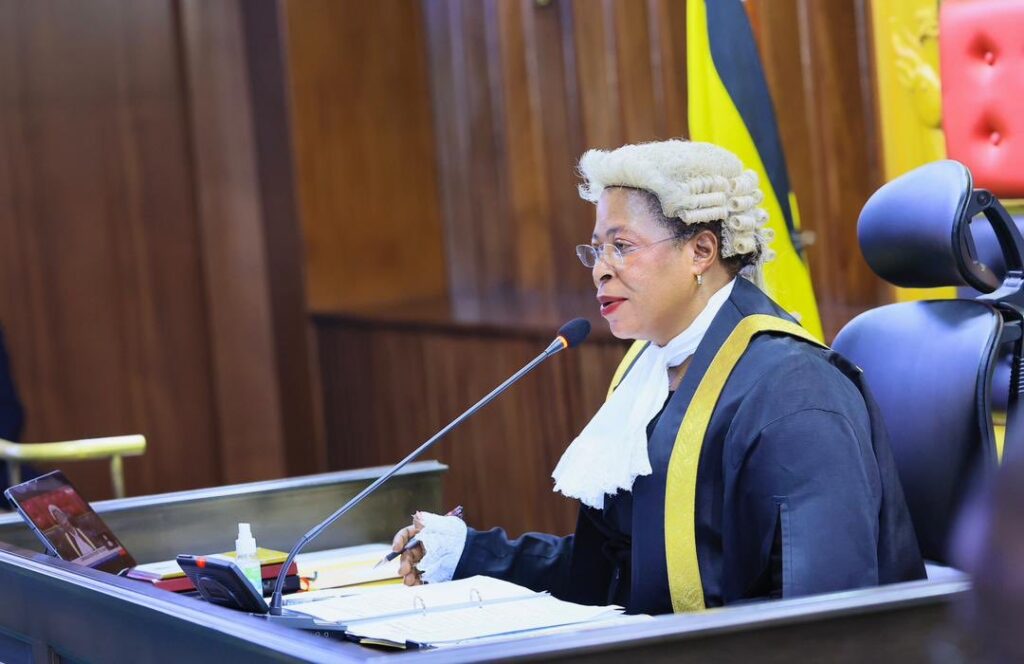
On May 5, 2026, the Parliament of Uganda passed the Protection of Sovereignty Bill, 2026 after a tense sitting marked by protests and procedural disputes. The ruling National Resistance Movement used its majority to push the bill through despite resistance from opposition lawmakers.
The legislation now awaits assent from President Yoweri Kaguta Museveni before it becomes law.
Fast-Tracked Process and Amendments
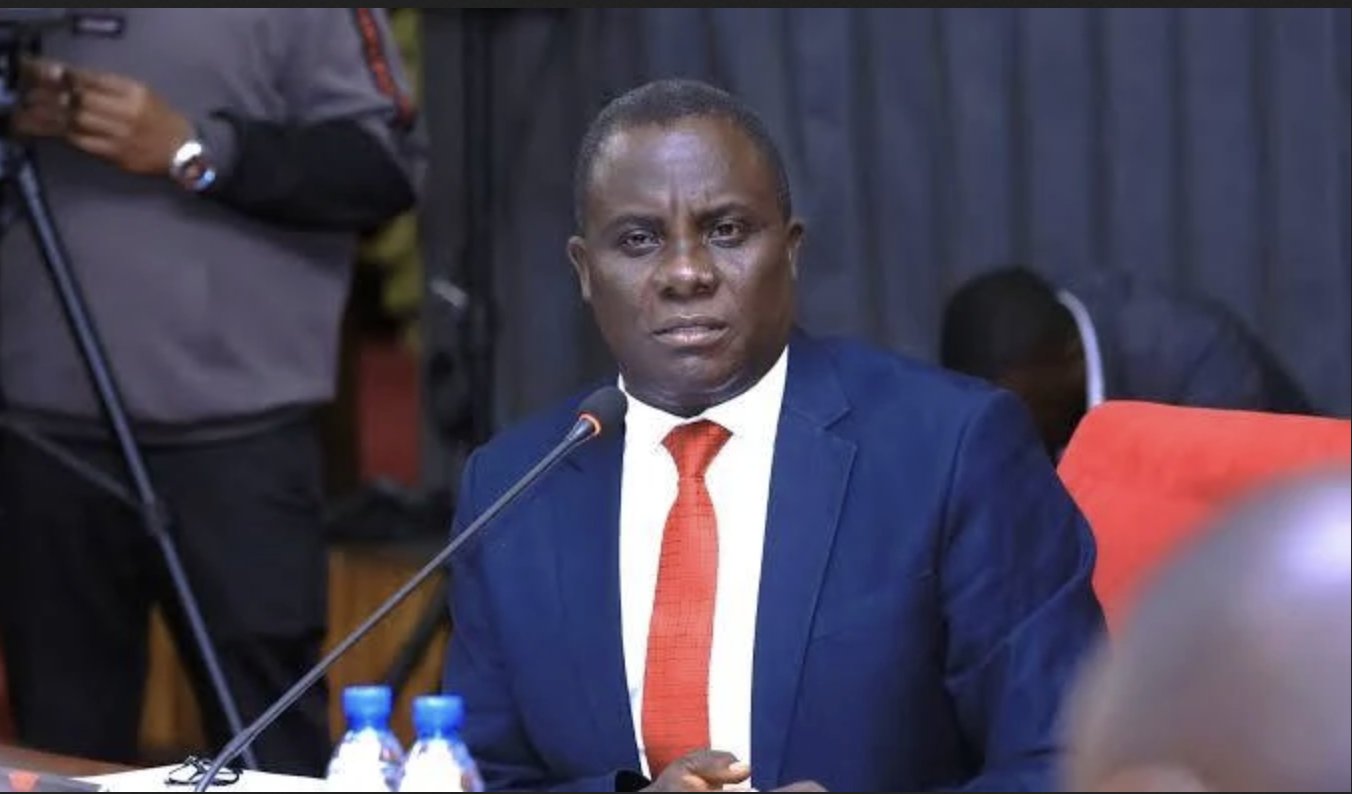
The bill was introduced in mid-April by State Minister for Internal Affairs David Muhoozi. It moved quickly through parliamentary stages, drawing criticism from civil society groups and sections of the public.
Following backlash, lawmakers made last-minute changes. One of the most notable revisions removed provisions that would have classified Ugandans living abroad as foreigners. These adjustments reduced some of the initial concerns but did not eliminate opposition to the bill.
Key Provisions of the Bill
The legislation focuses on regulating foreign influence in Uganda’s political, economic, and social sectors. It introduces a requirement for individuals and organizations acting on behalf of foreign entities to register with the Ministry of Internal Affairs.
The bill also places limits on foreign funding, especially for activities linked to public policy, elections, and advocacy. Entities receiving such funding may need approval and oversight from authorities.
It further creates criminal offences for actions seen as promoting foreign interests against those of Uganda. Penalties include heavy fines, long prison terms, and asset seizure. The law also grants the government powers to inspect operations and monitor financial activities.
Government Justification
Supporters of the bill argue that it protects national sovereignty. They say it addresses concerns about external actors influencing domestic affairs, particularly in politics and civil society.
Officials frame the law as part of a broader effort to safeguard national interests and maintain control over internal decision-making.
Criticism from Rights Groups and Opposition
The bill has faced strong criticism from rights organizations and opposition figures. Groups such as Human Rights Watch warn that the law could restrict freedoms of expression, association, and assembly.
Critics point to broad definitions and enforcement powers that could be used against journalists, activists, and political opponents. Concerns have also been raised about the impact on non-governmental organizations and faith-based groups that rely on foreign funding.
Economic and Diaspora Concerns
Business leaders and financial institutions have expressed concern about the potential impact on investment and partnerships. New compliance requirements may discourage foreign investors or complicate cross-border transactions.
There are also fears that the law could affect remittances and engagement with the Ugandan diaspora, which plays a significant role in the country’s economy.
If signed into law, the government will develop regulations to guide its implementation. Legal challenges are expected, with some stakeholders preparing to contest the law in court on constitutional grounds.
The bill highlights ongoing tensions between national sovereignty and civil freedoms in Uganda. Its long-term impact will depend on how it is enforced and how courts respond to potential challenges.
Also Read
Uganda Parliament Passes Shs 1.1 Trillion Supplementary Budget Near End of Financial Year
Uganda’s Protection of Sovereignty Bill, 2026 Triggers Intense National Debate