Tanzanian president says she was not consulted on proposed regional project
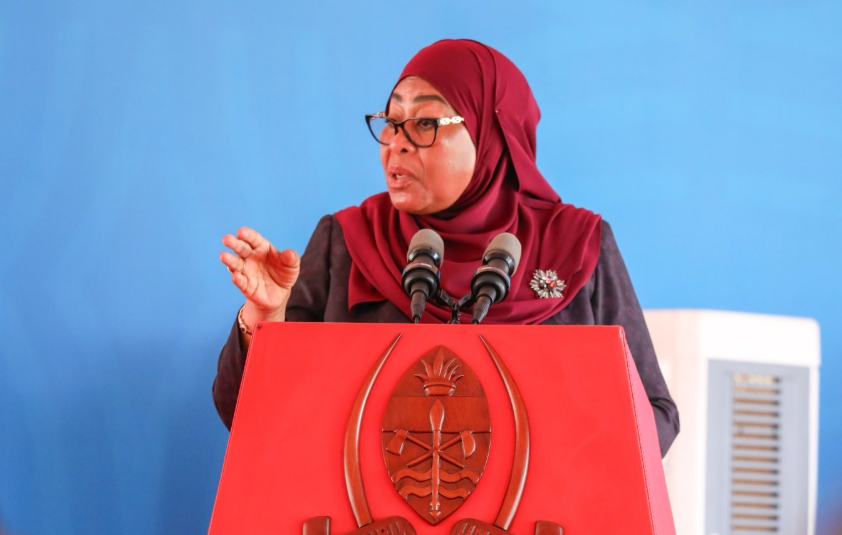
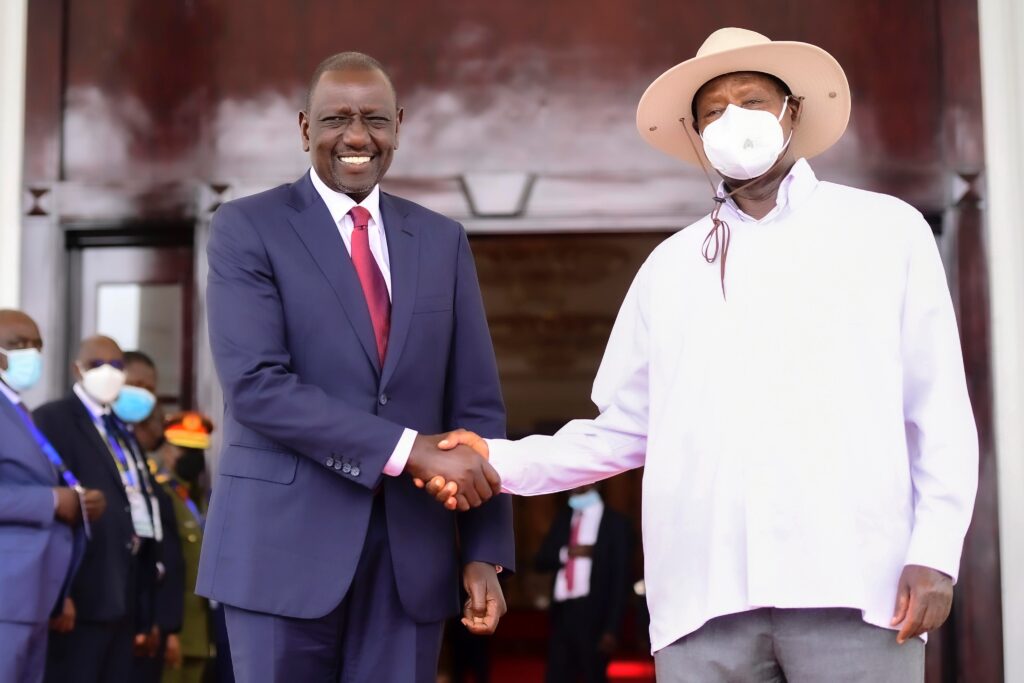
Samia Suluhu Hassan has stated that she was not consulted on plans for a major oil refinery proposed for Tanzania. The remarks came during a joint briefing in Dar es Salaam alongside William Ruto during his state visit on May 4 to 5, 2026.
Hassan revealed that she had raised the issue directly with Ruto, questioning why a refinery project in Tanga had been announced without her government’s prior knowledge.
Origins of the Announcement
President Ruto had earlier presented the refinery as a regional initiative during an event in Nairobi in late April. The proposal outlined a large facility with a capacity of 650,000 barrels per day.
The project was described as a joint effort involving countries such as Uganda and Tanzania, alongside private sector participation linked to Aliko Dangote. It aimed to boost local refining capacity and reduce dependence on imported petroleum products.
Hassan Calls for Proper Consultation
During the briefing, Hassan made it clear that her government had not been involved in discussions leading up to the announcement. She stressed the need for consultation on projects tied to Tanzanian territory and national interests.
Her remarks signaled concern over how the proposal had been communicated and highlighted the importance of coordination in regional initiatives.
Ruto Responds to Concerns
President Ruto defended the announcement, describing it as part of ongoing regional conversations rather than a finalized plan. He acknowledged Tanzania’s position and framed the refinery as a potential opportunity for economic cooperation within the region.
He indicated that further engagement would be needed before any concrete steps are taken.
Broader Context of Regional Energy Plans
East African countries have explored ways to expand refining capacity in recent years. Oil discoveries and rising demand have increased interest in projects that can process crude within the region.
A refinery in Tanga could serve multiple markets, but it would require significant investment, environmental approval, and agreement among participating countries.
Diplomatic and Political Implications
The exchange between the two leaders has drawn attention across regional media. Some observers view Hassan’s response as a firm defense of national sovereignty. Others see the incident as a breakdown in communication on a high-profile project.
Despite the disagreement, Kenya and Tanzania signed several bilateral agreements during the visit, suggesting that broader relations remain stable.
Uncertain Future for the Project
As of early May 2026, the refinery proposal remains at an early stage. There is no clear confirmation of feasibility studies, funding arrangements, or formal agreements.
Further discussions between the countries involved will determine whether the project moves forward or is revised.
A Test for Regional Coordination
The situation highlights the challenges of advancing large cross-border projects. While regional integration remains a shared goal, coordination and clear communication play a central role in turning proposals into reality.
The next steps will depend on diplomatic engagement and alignment among the countries involved.
Also Read
Dangote Backs Museveni’s Mineral Policy and Pledges East Africa Refinery Project
Tanzania and Rwanda Push Forward Isaka–Kigali Railway as Central Corridor Gains Momentum