Billionaire industrialist signals major regional investment at Nairobi summit
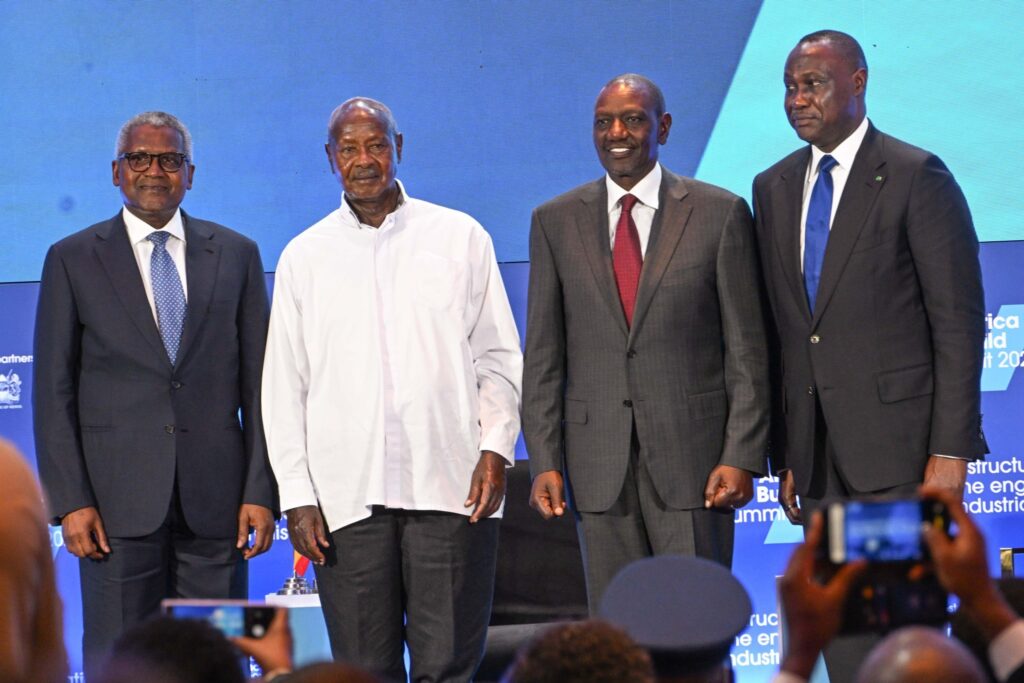
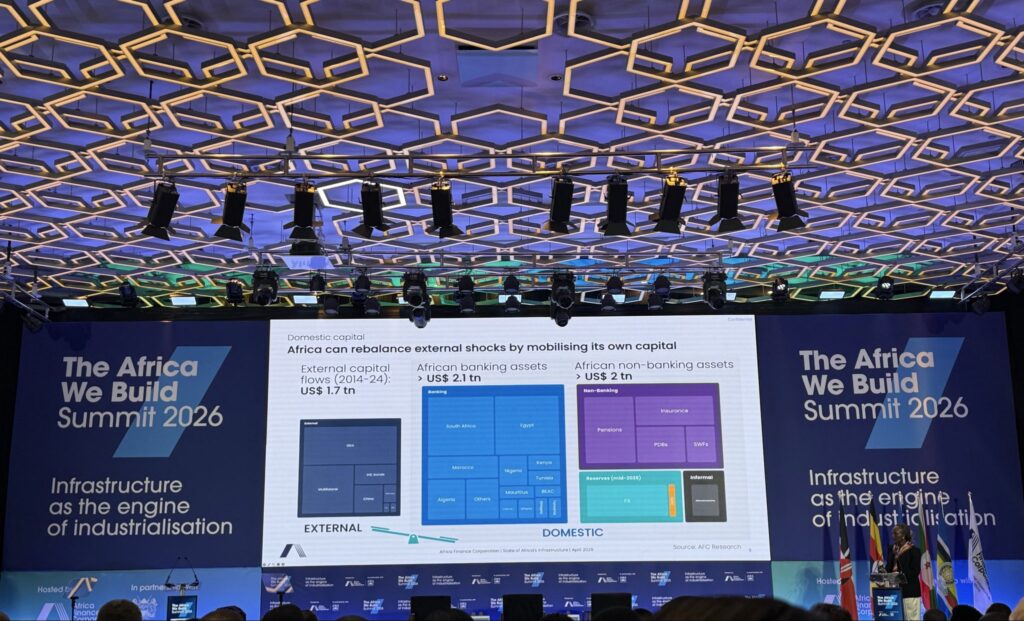
Aliko Dangote has pledged to replicate his flagship refinery project in East Africa, while praising Yoweri Museveni for his long-standing stance against exporting unprocessed minerals. He made the remarks on April 23, 2026, during the Africa We Build Summit 2026 in Nairobi, where he shared a panel with William Ruto.
Dangote said he would move forward with plans to build a large-scale refinery in East Africa if governments in the region provide the necessary support. He indicated that the project could match the scale of his Nigerian refinery and be completed within four to five years once agreements are in place.
Support for Resource Processing
Dangote used the platform to endorse Museveni’s policy of banning the export of raw minerals. Uganda has enforced this approach for years in a bid to push local processing and manufacturing. The policy aims to increase job creation, expand industrial capacity, and retain more value within the country.
Museveni has repeatedly argued that exporting raw materials limits economic growth. At the summit, he reinforced this view and called for African countries to prioritize processing resources locally. Dangote’s position aligns with that argument, as he has often criticized the cycle of exporting raw materials and importing finished products.
A Regional Refinery Plan
The proposed refinery would form part of a broader regional energy strategy. Plans point to a facility in Tanga, linked to the East African Crude Oil Pipeline that will transport crude oil from Uganda’s fields. The refinery would serve multiple countries, including Uganda, Kenya, Tanzania, South Sudan, and possibly the Democratic Republic of Congo.
By refining crude oil locally into petrol, diesel, and jet fuel, the project would reduce dependence on imports. East African countries currently rely on fuel shipments from outside the continent, which exposes them to price swings and supply disruptions. A regional refinery would help stabilize supply and lower costs over time.
Dangote’s reference point remains his facility in Lagos, one of the largest in the world, with a capacity of 650,000 barrels per day. That project has already shifted Nigeria closer to fuel self-sufficiency and opened the door to exports of refined products across Africa.
Push for African-Led Industry
The announcement reflects a wider push for African-led industrial growth. Dangote’s plan signals confidence in large-scale projects driven by local capital and expertise. It also highlights the importance of regional cooperation, as multiple governments would need to align policies and commitments for the refinery to move forward.
Energy security remains a key concern across the region. Global market disruptions have shown the risks of relying on distant suppliers. Expanding local refining capacity offers a way to manage those risks while building domestic industries.
Hurdles to Execution
The proposal still faces several challenges. Governments must agree on regulatory frameworks, financing structures, and land allocation. The project will require billions of dollars in investment and careful coordination across borders. Environmental and community concerns will also need attention, especially given ongoing debates around pipeline development.
Uganda plans to maintain a smaller domestic refinery alongside the larger regional project, which adds another layer of coordination.
A Strategic Bet on Value Addition
Dangote’s pledge goes beyond a single investment. It reinforces a broader argument that Africa should process its own resources and capture more value from them. By backing Museveni’s policy and offering to expand his refinery model, Dangote has placed a clear bet on industrial growth driven from within the continent.
If realized, the refinery could reshape fuel supply in East Africa and support a shift toward stronger regional economies built on local production.
Also Read
Dangote Plans Historic Refinery IPO in Bold Push to Transform African Capital Markets
Uganda Plans to Launch Two New Satellites for Security and Broadcasting – Museveni