Interception Near Gulf of Oman Raises Tensions Between Washington and Tehran
U.S. naval forces seized an Iranian-flagged container ship, the M/V Touska, on April 19 and 20, 2026, in the northern Arabian Sea near the Gulf of Oman. The vessel had been heading toward Iranian ports, including Bandar Abbas and areas close to Chabahar, when it came under scrutiny by U.S. forces operating in the region.
Officials from U.S. Central Command reported that the guided-missile destroyer USS Spruance intercepted the ship after it failed to respond to repeated warnings. The encounter lasted about six hours, during which the Touska continued its course at a speed of roughly 17 knots. U.S. forces then took action to stop the vessel.
Naval Interception and Boarding Operation
According to U.S. military accounts, the USS Spruance ordered the ship’s crew to evacuate the engine room before firing rounds from its MK 45 naval gun. The strikes targeted the vessel’s propulsion system and succeeded in disabling its movement.
Following the disabling of the ship, U.S. Marines from the 31st Marine Expeditionary Unit boarded the Touska. They operated from the amphibious assault ship USS Tripoli and secured control of the vessel without reported casualties. The ship remains under U.S. custody as authorities continue to inspect its cargo and determine the next steps.
The operation formed part of ongoing maritime enforcement activities tied to U.S. sanctions and regional security concerns. U.S. officials stated that the ship’s failure to comply with instructions triggered the escalation.
Iranian Officials Describe Humanitarian Cargo
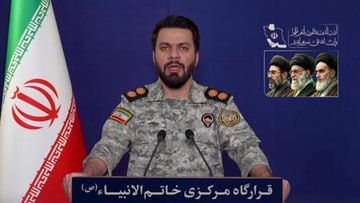
Iranian authorities strongly rejected the U.S. account of the situation. Officials, including representatives of the Iranian Red Crescent Society, stated that the Touska carried medical supplies, including dialysis equipment intended for civilian use.
Iran’s representatives described the seizure as piracy and argued that it violated international law. They claimed the action disrupted the delivery of critical healthcare materials at a time when the country faces pressure on its medical system. Statements from Iran’s mission to the United Nations echoed this position and framed the incident as an attack on humanitarian assistance. This version of events places emphasis on the humanitarian nature of the cargo and questions the justification for the U.S. intervention.
U.S. Points to Sanctions and Dual-Use Materials
U.S. officials presented a different explanation. They linked the Touska to the Islamic Republic of Iran Shipping Lines, a company that has remained under U.S. sanctions for several years. Authorities have accused the shipping line of connections to financial networks and activities tied to weapons development.
Initial assessments from U.S. sources suggest that the ship may have carried dual-use goods. These items can serve civilian purposes but may also support military or industrial operations. Reports have mentioned materials such as metals, pipes, and electronic components among the possible contents.
President Donald Trump commented on the situation, stating that the ship attempted to breach a naval blockade enforced by U.S. forces. He said authorities would examine the cargo to determine its exact nature. As of now, U.S. agencies have not released a full inventory of the items on board, and inspections remain ongoing.
Rising Tensions in Strategic Waters
The seizure took place during a period of increased tension between the United States and Iran. The region around the Strait of Hormuz and nearby waters has seen heightened military presence and stricter enforcement of sanctions.
U.S. officials view operations like the interception of the Touska as part of efforts to prevent sanctions evasion and restrict the flow of materials that could support restricted programs. Iran views the same actions as aggressive measures that interfere with trade and humanitarian access.
The incident has drawn attention from international observers, who are watching closely for developments. Questions remain about the legal status of the vessel, the fate of its cargo, and the condition of its crew. Some analysts have raised the possibility that the ship could be treated under naval prize law, though no final decision has been announced.
Uncertainty Over Cargo and Next Steps
At the center of the dispute lies the question of what the Touska carried. Iran maintains that the shipment contained essential medical supplies. U.S. officials suggest the presence of dual-use materials that could justify the seizure under sanctions enforcement.
Independent verification remains limited. The ship remains under U.S. control, and access to its cargo has been restricted to authorities conducting inspections. This has left much of the public discussion based on statements from the two sides.
As inspections continue, further details may clarify the nature of the shipment and shape the response from both governments. The outcome may also influence how similar incidents are handled in the future.
Wider Implications for Maritime Security
The seizure highlights ongoing disputes over maritime enforcement and the limits of sanctions in contested regions. It also raises concerns about the impact of such actions on civilian supply chains, especially when medical goods are involved.
The Arabian Sea and surrounding waterways remain critical routes for global trade and energy transport. Incidents like this one reflect the fragile balance between security measures and the need to maintain open access for lawful commerce.
The Touska case may set a reference point for future confrontations at sea, particularly as tensions remain high and both sides continue to assert their positions.
Also Read
How the Iran Conflict Is Quietly Fueling a Global Hunger Crisis
Iran Signals Conditional Reopening of Strait of Hormuz Amid Lebanon Ceasefire