Tehran Links Maritime Access to Fragile Regional Truce
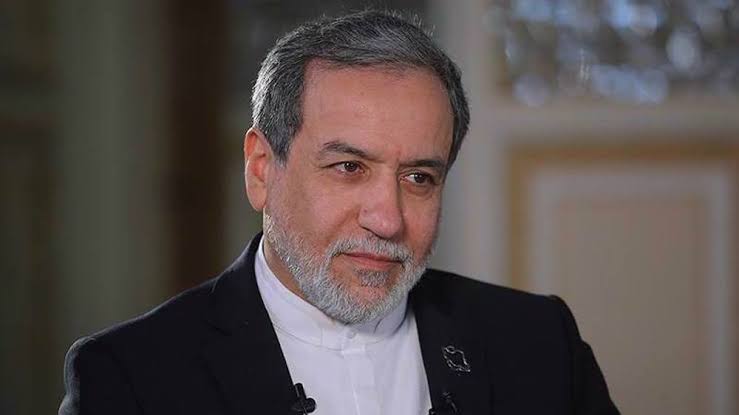
Iran’s Foreign Minister Seyed Abbas Araghchi has announced that commercial shipping through the Strait of Hormuz will be fully reopened for the duration of the ongoing Lebanon ceasefire. The statement, posted on X (formerly Twitter), ties maritime access directly to developments on the ground in Lebanon, where a recently brokered truce has temporarily paused hostilities involving Hezbollah and Israeli forces.
“In line with the ceasefire in Lebanon, the passage for all commercial vessels through Strait of Hormuz is declared completely open for the remaining period of ceasefire,” Araghchi stated, adding that ships must follow coordinated routes already issued by Iran’s Ports and Maritime Organisation.
The announcement signals a cautious de-escalation in one of the world’s most strategically sensitive waterways, though it remains firmly conditional on the continuation of the ceasefire.
A Fragile Web of Ceasefires Across the Region
The move comes at a time when multiple overlapping ceasefires in the Middle East are under strain. Earlier in April 2026, a broader Iran-US ceasefire agreement had already been tested by disagreements over whether it covered Israeli military actions against Hezbollah in Lebanon.
Iran has consistently argued that any truce involving the United States must also include a halt to Israeli strikes in Lebanon. Tehran views attacks on Hezbollah as indirectly targeting Iran’s regional influence and security interests.
On or around April 16, a separate 10-day ceasefire between Israel and Lebanon took effect, reportedly brokered with US involvement. This agreement was intended to temporarily halt hostilities along the Israel-Lebanon front, where tensions involving Hezbollah had escalated significantly in recent weeks.
Araghchi’s latest statement appears to directly connect Iran’s maritime policy to the stability of this Lebanon-focused truce.
The Strategic Importance of the Strait of Hormuz
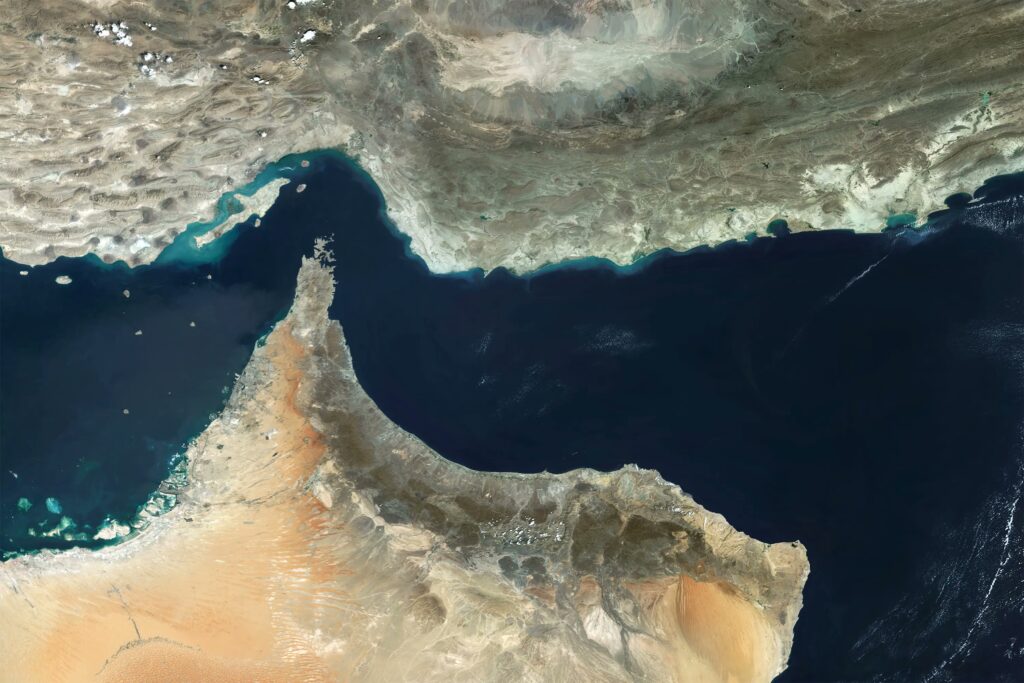
The Strait of Hormuz remains one of the most critical maritime chokepoints in the world. It connects the Persian Gulf to the Gulf of Oman and the Arabian Sea, serving as a key transit route for global energy supplies.
Roughly 20 percent of the world’s oil and a significant share of liquefied natural gas passes through the strait under normal conditions. Any disruption to this passage has immediate effects on global energy prices and shipping routes.
Iran has long maintained both the capability and the strategic doctrine to restrict or control access to the strait during periods of heightened conflict. This includes the use of naval assets, mines, and missile systems deployed by the Islamic Revolutionary Guard Corps Navy.
Earlier during the 2026 regional escalation, Iran had restricted or effectively halted maritime traffic through the strait in response to intensified strikes in Lebanon and broader military tensions. This led to disruptions in global shipping, rerouting of tankers, and volatility in energy markets.
What Iran’s Announcement Actually Changes
The latest declaration opens the Strait of Hormuz to commercial vessels, but only under specific conditions.
First, the reopening applies strictly to commercial shipping. Military vessels are not included in the announcement.
Second, transit is subject to coordination with Iranian authorities. Ships are required to follow designated routes and procedures established by Iran’s Ports and Maritime Organisation, indicating continued operational oversight of the passage.
Third, the decision is explicitly temporary. The opening is tied to the remaining duration of the Lebanon ceasefire. If the truce collapses or hostilities resume, Iran could reintroduce restrictions.
Taken together, the policy reflects a controlled easing rather than a full normalization of maritime conditions.
Diplomatic Signaling and Strategic Leverage
Beyond its immediate practical impact, the announcement carries significant diplomatic weight. By linking maritime access to the Lebanon ceasefire, Iran is positioning itself as both a stakeholder and a gatekeeper in regional stability.
The move also sends a message to global markets. Even a temporary reopening of the Strait of Hormuz can reduce pressure on oil prices and restore predictability to shipping routes, offering short term relief to exporters and importers alike.
At the same time, the conditional nature of the decision preserves Iran’s leverage. The ability to restrict one of the world’s most important energy corridors remains a key strategic asset in Tehran’s broader regional policy.
Broader Implications for Markets and Regional Stability
Energy markets are likely to respond positively in the short term, as reduced risk in the Strait of Hormuz lowers immediate supply concerns. Countries heavily dependent on Gulf energy exports, including major Asian and European importers, stand to benefit from restored shipping continuity.
However, uncertainty remains high. The durability of the Lebanon ceasefire is still in question, and disagreements persist among key actors regarding its scope and enforcement.
Iran’s framing of the announcement reinforces its position that regional conflicts are interconnected. By tying maritime policy to developments in Lebanon, Tehran is signaling that stability in one theater cannot be separated from others.
Iran’s decision to reopen the Strait of Hormuz for commercial vessels represents a cautious and conditional step toward de-escalation amid ongoing regional tensions. While the move may ease immediate disruptions in global shipping and energy markets, its temporary nature underscores the fragility of the current ceasefire arrangements.
Ultimately, the status of one of the world’s most important maritime corridors now hinges on the stability of a 10-day truce in Lebanon and the broader diplomatic negotiations unfolding across the region.
Also Read
Commercial Ship Hit in Strait of Hormuz as Regional Conflict Escalates
Gulf States Revisit Pipeline Plans to Bypass Strait of Hormuz Amid Rising Tensions