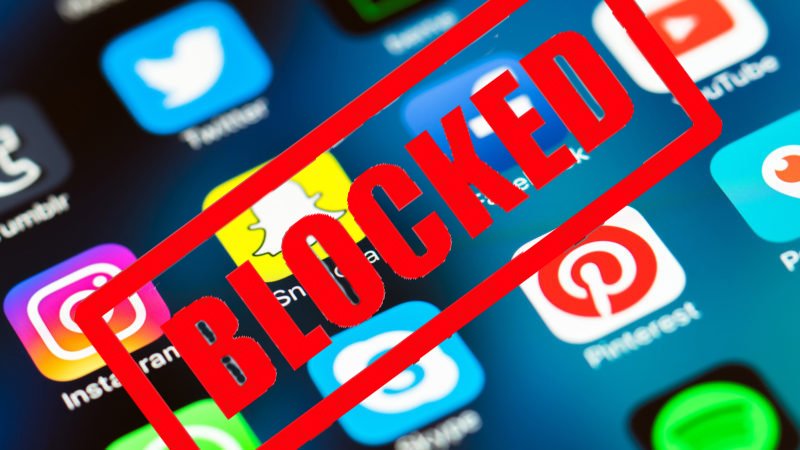
On February 17, 2026, Gabon’s media regulator, the High Authority for Communication, ordered the immediate and indefinite suspension of major social media platforms nationwide. Telecommunications companies and internet providers were instructed to block access, with authorities citing the spread of harmful online content as a threat to national stability.
Officials said the decision was driven by concerns over misinformation, cyberbullying, hate speech, defamation, and unauthorized sharing of personal data, which they argued were undermining social cohesion, public morality, and the security of state institutions. In a televised statement, HAC spokesperson Jean Claude Mendome said the move was intended to prevent what he described as conflict provoking excesses and to safeguard national unity.
Internet monitoring group NetBlocks confirmed disruptions beginning around February 18, showing restrictions on several platforms. Services affected included Facebook, Instagram, WhatsApp, TikTok, and YouTube, while access to X, formerly Twitter, appeared inconsistent in some areas. Authorities did not shut down the entire internet but targeted social media specifically.
The timing of the suspension comes amid ongoing social tensions in the country, including a teachers’ strike that began in late 2025 and later spread to other public sectors. Government officials have accused platforms, particularly Meta owned services, of failing to control harmful content that could worsen unrest. A presidential spokesperson described the measure as temporary and part of broader efforts to regulate digital spaces under transitional leader Brice Oligui Nguema, who came to power following the 2023 coup and later won elections.
Reactions have been divided. Opposition groups, including the Parti Democratique Gabonais, condemned the suspension as an abuse of power that threatens civil liberties and economic activity. Businesses and young entrepreneurs who rely heavily on social media for communication and marketing reported financial losses and disruption to daily operations.
Human rights organizations, including the #KeepItOn coalition led by Access Now, called for the immediate restoration of access, arguing the restrictions violate freedom of expression and could suppress dissent during a period of unrest. Critics also drew comparisons to previous internet controls imposed during political crises under earlier administrations.
As of February 21, 2026, the suspension remains in place with no confirmed end date. Many citizens have turned to virtual private networks to bypass the restrictions, while debate continues over how governments should balance online safety, political stability, and digital freedoms.