Uganda’s Cabinet has approved a proposal to upgrade several wildlife reserves to full national park status, marking a major step in expanding the country’s protected areas and strengthening conservation efforts. The announcement was made in mid February 2026 by Tourism Minister Tom Butime following a Cabinet decision to elevate key reserves under the management of the Uganda Wildlife Authority.
The reserves approved for upgrade include Katonga, Toro Semliki, Echuya, Kigezi, and Kyambura Wildlife Reserves. In addition, Bukaleba Forest Reserve has been designated for elevation to wildlife reserve status, although not to a national park. Proposals concerning Pian Upe Wildlife Reserve and Bugoma Central Forest Reserve were not approved at this stage, though discussions may continue in the future.
Strengthening Conservation
Upgrading these areas to national parks will provide stronger legal protection compared to their current wildlife reserve classification. National park status offers enhanced safeguards against threats such as poaching, illegal logging, land encroachment, and habitat destruction, challenges that have intensified due to population growth and environmental pressures.
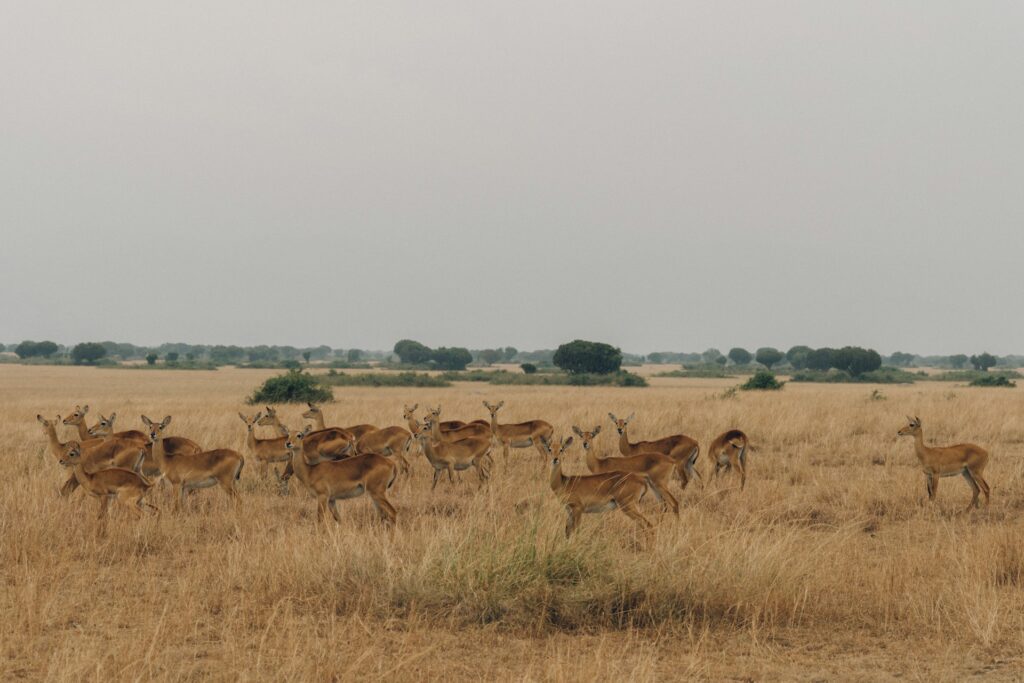
The selected areas represent diverse ecosystems, including wetlands, savannah corridors, montane forests, and important primate habitats. For example, Kyambura Wildlife Reserve forms part of the greater Queen Elizabeth National Park ecosystem and is known for its chimpanzee populations, while Echuya Wildlife Reserve protects rare bamboo forests and endangered species.
Tourism and Economic Opportunities
The move is expected to strengthen Uganda’s tourism sector by diversifying attractions beyond established destinations such as Bwindi Impenetrable National Park and Murchison Falls National Park. New national parks could attract more eco tourists, create employment opportunities for surrounding communities, and increase government revenue through park fees and tourism services.
The decision also aligns with Uganda’s long term development strategy, which positions tourism as a key economic driver alongside agriculture and minerals. By expanding protected areas, the country aims to balance environmental conservation with sustainable economic growth.
Next Steps
The upgrades will require parliamentary approval and legal amendments before the reserves are formally gazetted as national parks. Once completed, Uganda’s network of protected areas will expand further, reinforcing its reputation as one of Africa’s leading wildlife destinations.