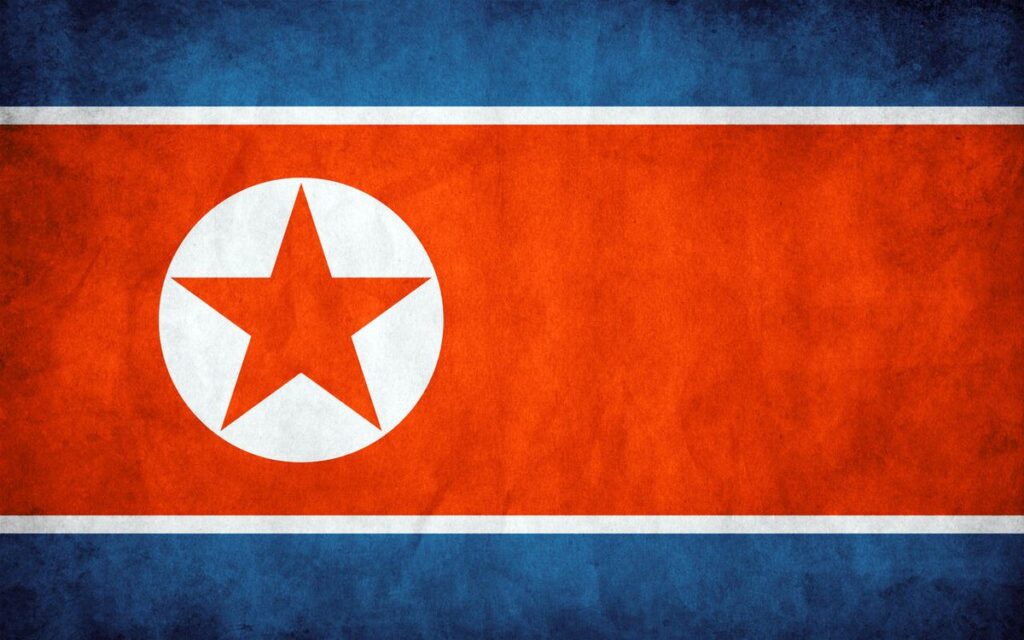
Pyongyang Redefines Its Relationship With South Korea
North Korea has removed all references to Korean reunification from its constitution in a major policy shift that signals a formal break from decades of ideological messaging about a single Korean nation.
The revised constitution, reported to have been adopted by the Supreme People’s Assembly in March 2026, defines North and South Korea as completely separate states and reflects leader Kim Jong Un’s “two hostile states” doctrine.
New Constitutional Language Sets Clear Borders
The updated constitution introduces a territorial clause for the first time. It states that the Democratic People’s Republic of Korea borders China and Russia to the north and the Republic of Korea to the south, along with its territorial waters and airspace.
The document also states that North Korea will not accept any infringement on its territory. The language marks a shift toward presenting the country as a clearly defined sovereign state rather than part of a divided nation awaiting reunification.
Removal of Reunification Commitments
The most significant change involves the complete removal of Article 9, which previously called for peaceful reunification of the Korean Peninsula based on independence and national unity.
All references to reconciliation, shared identity, and peaceful unification have been deleted. Mentions of earlier leaders’ commitments to reunification have also been removed, reinforcing a new narrative centered on the current leadership.
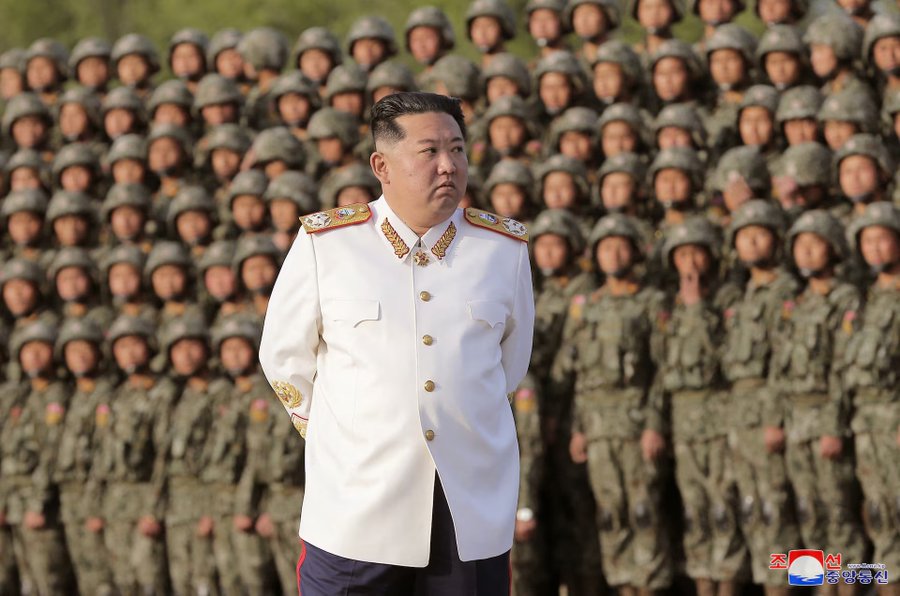
Policy Shift Under Kim Jong Un
The constitutional changes build on a broader shift in North Korea’s political messaging that has developed since 2024. Kim Jong Un has increasingly described South Korea as a separate and hostile state rather than part of a shared national identity.
North Korea has also expanded its military posture, strengthened ties with Russia, and increased emphasis on nuclear forces as central to state security. The revised constitution places Kim in direct control of nuclear forces, further consolidating authority over military strategy.
Impact on Inter-Korean Relations
The removal of reunification language reduces the political foundation that once supported dialogue framed around a shared national identity. It signals that Pyongyang no longer treats unification as a policy goal under any conditions.
South Korea continues to uphold constitutional language supporting peaceful reunification, but now faces a counterpart that formally rejects that premise.
Regional Tensions and Strategic Signals
The constitutional rewrite adds pressure to already strained regional relations. North Korea now presents itself as a fully separate state with defined borders, while maintaining a strong military and nuclear posture.
Analysts view the change as a long-term shift in strategy that prioritizes regime security and deterrence over diplomatic reconciliation. The move also strengthens Kim Jong Un’s domestic authority by embedding his policy direction into constitutional law.
The future of inter-Korean engagement now depends on how Seoul and other regional powers respond to a framework that no longer includes reunification as a shared objective.
Also Read
Former South Korean President Yoon Suk Yeol Sentenced to Life in Prison
China Emerges as a Global Medical Tourism Powerhouse with Rapid Growth and Advanced Care