Tourism Decline Hits Kenya’s Flagship Wildlife Reserve
The Maasai Mara National Reserve has recorded a steep drop in visitor numbers over the past two years, falling from about 420,000 tourists in 2023 to 213,000 in 2025.
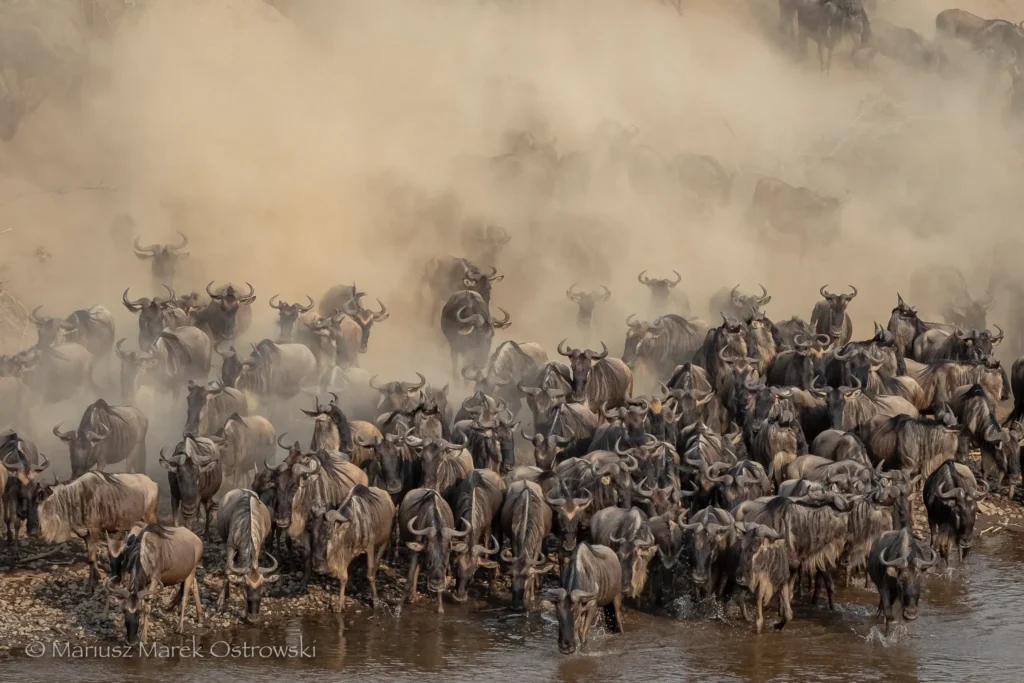
Official figures show a steady decline, with 343,000 visitors in 2024 before the further drop in 2025. The reserve, known globally for the Great Migration and big cat sightings, now trails Amboseli National Park, which attracted 295,000 visitors in 2025.
Entry Fee Hikes Reshape Visitor Choices
The decline links closely to major increases in entry fees introduced by Narok County in January 2024. The revised pricing structure raised costs significantly for non-resident visitors, with peak season rates reaching about 200 US dollars per adult per day.
The low season fee stands at around 100 US dollars per adult per day, while the peak migration period between July and December carries higher charges. The introduction of strict 12-hour ticket validity has also increased costs for visitors staying overnight, since some now require multiple entries.
Authorities introduced the changes to increase revenue for conservation and park management. The adjustments followed years without major fee revisions.
Tourists Shift to Alternative Safari Destinations
Rising costs have pushed many travelers to other safari destinations in East Africa. Amboseli National Park has gained popularity due to lower fees and its elephant populations set against views of Mount Kilimanjaro.
Tanzania’s Serengeti National Park has also attracted more visitors. Its direct connection to the Great Migration route offers a similar wildlife experience at more competitive pricing, drawing tourists who previously prioritized the Maasai Mara.
The shift reflects how sensitive safari tourism remains to pricing, especially for international travelers managing combined costs for flights, accommodation, and park access.
Economic Pressure on Local Tourism Businesses
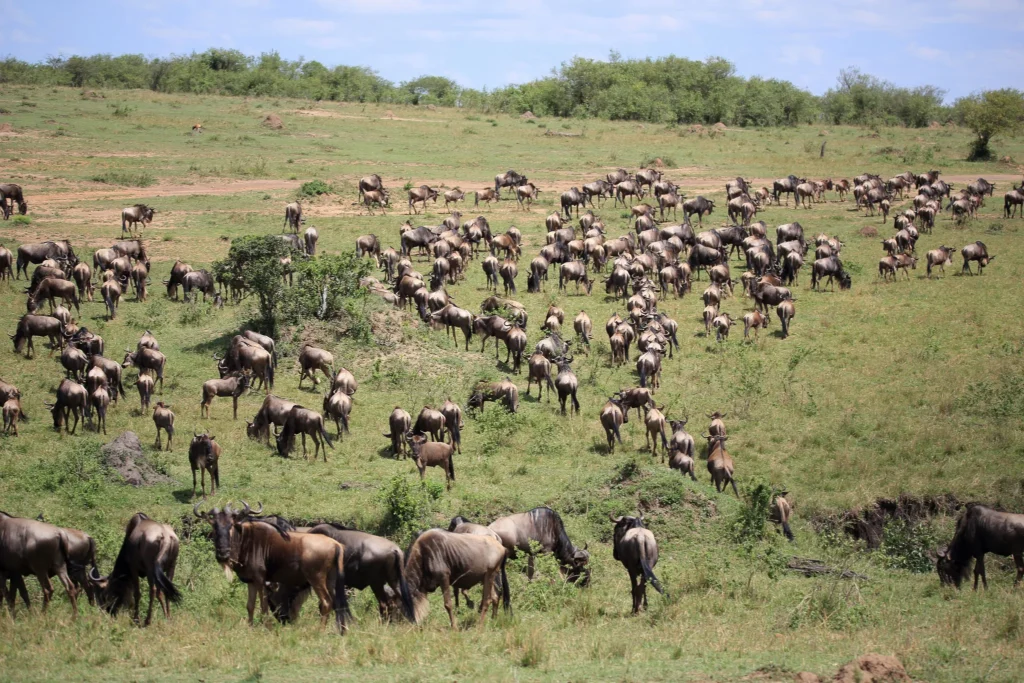
The drop in visitor numbers has affected tour operators, guides, conservancies, and small businesses that depend on high tourist traffic in the Mara ecosystem. Reduced bookings have led to lower income across the sector.
Some stakeholders support the fee increases, arguing they help control visitor pressure and fund conservation efforts. Others warn that the rapid price changes risk weakening the Mara’s global competitiveness and reducing long-term tourism revenue.
Balancing Conservation and Accessibility
Kenya continues to position tourism as a key economic driver, with national targets focused on increasing international arrivals. The challenge now centers on balancing revenue generation with maintaining visitor access to flagship destinations like the Maasai Mara.
Options under discussion include revised pricing models, targeted discounts during low seasons, and stronger marketing of conservancy experiences that sit outside the main reserve.
The Maasai Mara remains one of Africa’s most important wildlife destinations, but the recent decline in visitors highlights how pricing decisions can quickly reshape tourism patterns in a competitive regional market.
Also Read
TouristTap Launches in Kenya, Making Cashless Payments Seamless for International Visitors
Uganda Faces Revenue Pressure as Kenya Builds Direct Trade Route to South Sudan