President Raises Possibility of Extending Stay in Power
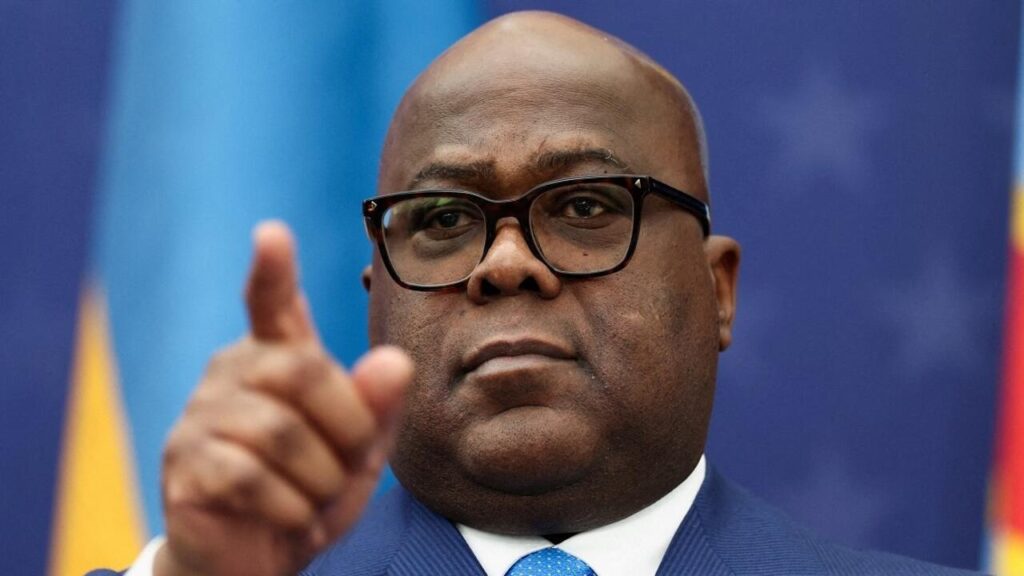
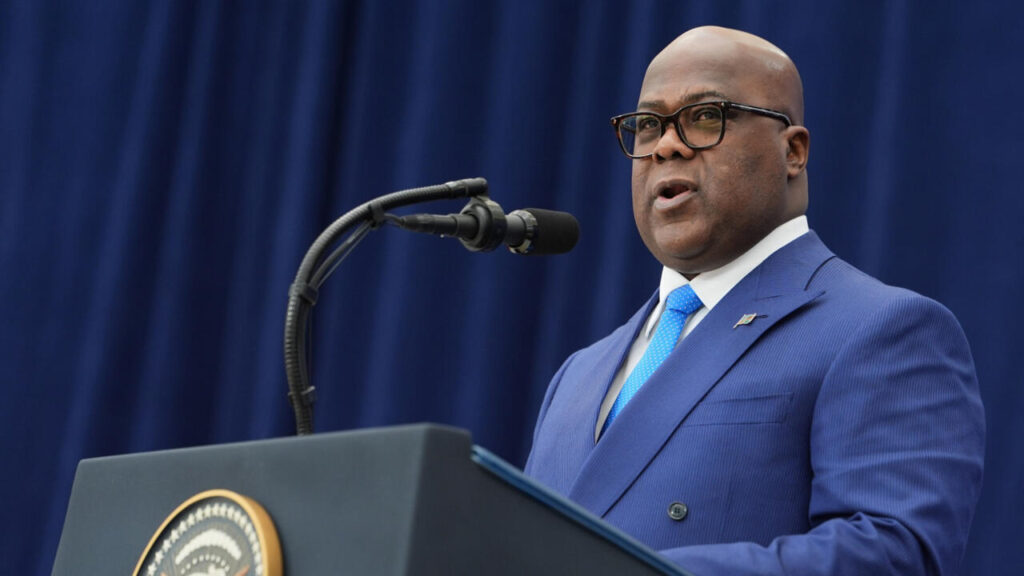
Democratic Republic of Congo President Félix Tshisekedi has indicated he may consider remaining in office beyond his current constitutional limit, raising questions about the future of the country’s 2028 elections.
Speaking during a press conference in Kinshasa on May 7, 2026, he said he would respond to public demand if citizens support him continuing in office after his second term ends.
He also linked the ability to organize the next presidential vote to the security situation in eastern Congo, where armed conflict continues to disrupt daily life and state authority.
Referendum Proposal and Election Uncertainty
Tshisekedi suggested that any extension of his leadership could be decided through a public referendum. His comments point to possible constitutional changes that would affect the two-term limit set under the 2006 constitution.
The constitution currently restricts presidents to two five-year terms and includes safeguards designed to prevent easy amendments to those limits.
He stated that ongoing conflict could make it difficult to hold elections in 2028 if the situation does not improve. His remarks have placed the election timeline under renewed debate.
Conflict in Eastern Congo Shapes Political Debate
The eastern region of the Democratic Republic of Congo remains unstable, with armed groups including M23 continuing clashes with government forces and allied militias.
The violence has displaced large numbers of civilians and placed pressure on government resources. The situation has also affected infrastructure, local governance, and humanitarian access across several provinces.
Tshisekedi has pointed to the conflict as a central challenge facing his administration and a factor that could influence national political planning.
Opposition Response and Constitutional Concerns
Opposition figures have rejected the president’s comments and accuse him of attempting to weaken constitutional term limits.
They argue that security challenges should not delay scheduled elections and warn that changes to the constitution could lead to extended rule without clear democratic approval.
Critics also point to past political tensions in the country linked to disputed elections and delayed transitions of power, raising concerns about stability if electoral timelines shift.
Wider Regional and Political Implications
The Democratic Republic of Congo holds significant mineral resources and plays a major role in regional politics and global supply chains. Any uncertainty around leadership transitions may affect governance, investment decisions, and diplomatic relations.
The country continues to face pressure from international partners to maintain democratic processes while addressing the security crisis in the east.
Tshisekedi’s remarks have renewed discussion about term limits, constitutional change, and the balance between security concerns and electoral commitments.
Also Read
USA Drone Support Boosts DRC Military Operations Against M23 Rebels
DRC Rejects Ugandan Demand to Remove Ituri Military Governor Amid Rising Tensions