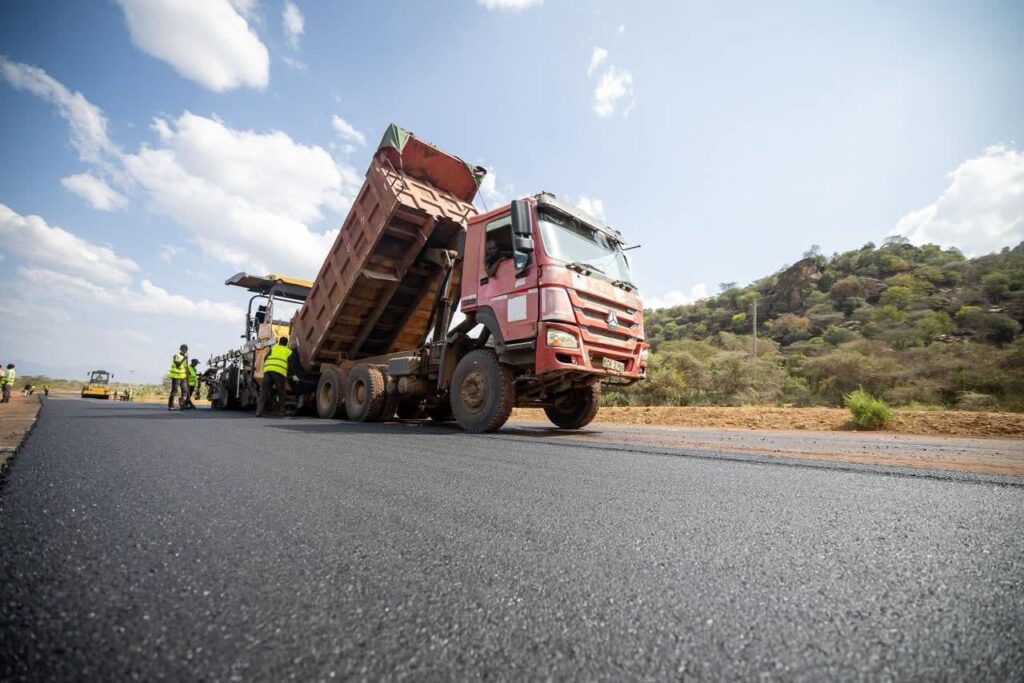
New highway project shifts regional logistics and challenges Uganda’s transit advantage
For years, Uganda has played a central role in regional trade, serving as a key transit corridor for goods moving from Kenya to South Sudan. Cargo arriving through Mombasa would cross into Uganda at border points such as Malaba and Busia, then continue north through routes like Elegu toward Juba.
This flow of trucks supported a wide network of economic activity. Transit vehicles contributed to fuel taxes, road user fees, and customs revenue. Towns along the corridor benefited from steady demand for accommodation, food, vehicle repairs, and other services tied to long-distance transport.
Kenya’s New Corridor Changes the Equation
That position now faces pressure from a new infrastructure push in Kenya. The Barpelo to Tot to Marich Pass road project, valued at 115 million dollars, will create a more direct link from Kenya’s interior to the Nadapal crossing. The route will extend toward Kapoeta, offering a streamlined path into South Sudan.
This corridor reduces the journey to a single border crossing. It removes many of the delays tied to multiple checkpoints, weighbridges, and administrative processes that currently affect the Kenya Uganda South Sudan route. For traders and logistics firms, the appeal lies in faster delivery times and lower operating costs.
Why Traders May Shift Routes
For importers in Juba, efficiency often determines routing decisions. A shorter journey means lower fuel consumption and fewer delays. It also reduces exposure to informal costs that can arise along longer transit corridors. As a result, the new Kenyan route presents a strong incentive to bypass Uganda altogether.
This shift will not happen overnight, but even a partial diversion of traffic could have a noticeable impact. A reduction in truck volumes would translate directly into lower collections from transit-related charges and fuel sales within Uganda.

Economic Impact on Uganda
The potential loss extends beyond government revenue. Border posts such as Malaba, Busia, and Elegu depend on steady cargo movement to sustain customs activity. Fewer trucks mean reduced collections and less economic activity in surrounding areas.
Communities along the northern corridor also face declining demand. Businesses that serve truck drivers, including lodges, restaurants, and repair shops, rely on consistent traffic. A drop in transit volumes could weaken these local economies and affect livelihoods tied to cross-border trade.
The effects may also spread to related sectors. Warehousing, security services, and informal trade networks often grow around busy transport routes. As traffic shifts, these supporting industries could contract.
Regional Competition for South Sudan’s Market
South Sudan remains a key destination for exports from both Kenya and Uganda. Its demand for fuel, construction materials, and consumer goods continues to drive regional trade. Leaders such as William Ruto and Yoweri Museveni have both promoted stronger economic ties within the region.
Kenya’s new road signals a clear move to secure a larger share of this market. By offering a faster and more direct route, it positions itself as the preferred gateway for goods entering South Sudan.
Uganda’s Strategic Response
Uganda still holds advantages, including established trade relationships and existing infrastructure links. Trade volumes with South Sudan may continue to grow as regional connectivity improves. Even so, the redistribution of traffic matters. A significant diversion could reduce revenue that currently supports public spending without increasing domestic taxes.
Policymakers may need to act quickly to maintain competitiveness. Measures could include improving efficiency at border points, reducing delays along existing routes, and investing in alternative trade corridors. These steps could help retain a share of transit traffic in a changing regional landscape.
A Shifting Trade Map
The development of the Barpelo to Marich Pass road highlights how infrastructure decisions shape economic outcomes. As new routes emerge, they alter the balance of trade and influence where value is created.
Uganda’s role as a transit hub has long been secure, but that position now faces a test. The old route will continue to carry goods, yet its dominance is likely to decline. In regional trade, speed and cost often guide decisions, and the new corridor places Kenya in a stronger position to capture that advantage.
Also Read
Kenya Launches Turkana Oil Drilling in Renewed Push for Commercial Production
Uganda Declines Kenya’s Request for Access to Fuel Stocks Amid Regional Supply Pressure