Lokichar Basin project moves forward with first oil targeted by end of 2026
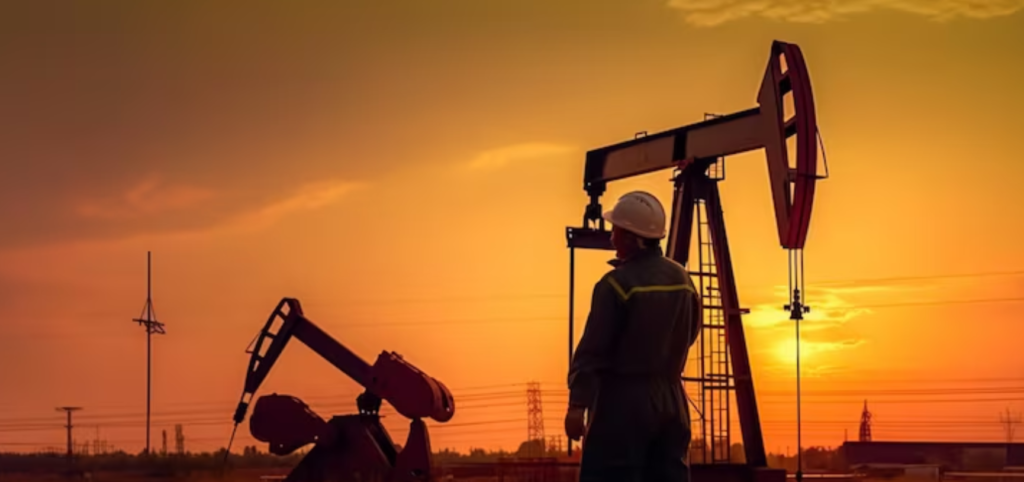
Kenya has taken a major step toward commercial oil production with the start of drilling operations in the Lokichar Basin in Turkana County. The launch marks a revival of a project that has faced years of delays despite early promise.
The groundbreaking ceremony for the South Lokichar Oil Project was led by Energy and Petroleum Cabinet Secretary Opiyo Wandayi, signaling the start of active field development.
From Discovery to Development
Oil was first discovered in the region in 2010 by Tullow Oil and its partners. Estimates place recoverable reserves in the South Lokichar fields at around 560 million barrels, spread across several sites including Ngamia, Amosing, and Twiga.
Progress stalled over the years due to shifting global oil prices, infrastructure gaps, and disagreements among stakeholders. The exit of partners such as TotalEnergies and Africa Oil further slowed development.
In 2025, Tullow Oil sold its stake to Gulf Energy, which now leads the project alongside the Kenyan government. The state holds a 25 percent participating interest under a production sharing framework.
Production Targets and Timeline
The project’s initial phase aims to produce about 20,000 barrels of oil per day, with plans to scale up to 50,000 barrels per day in the coming years.
Officials are targeting December 2026 for the first commercial oil exports. Early shipments are expected to move through Port of Mombasa, with crude transported from Turkana by road or rail. Plans for a dedicated pipeline to Lamu remain on hold due to cost concerns.
Economic Expectations
The government projects strong economic returns from the project. Early estimates suggest billions of dollars in revenue from crude exports, depending on global oil prices.
Beyond revenue, the project is expected to create jobs and drive infrastructure development in Turkana, a region that has long faced economic challenges. The extent of these benefits will depend on how effectively local communities are included in the project.
Challenges to Overcome
Despite renewed momentum, several risks remain. Transporting oil over long distances presents logistical and security concerns. Scaling production will require further investment in infrastructure and operations.
Community relations also remain a key issue. Local populations have raised concerns in the past about land use, environmental impact, and fair distribution of benefits. Addressing these concerns will be critical to maintaining stability around the project.
Global market conditions will also play a role. Oil price fluctuations and geopolitical tensions could affect the project’s long-term viability.
A Cautious Revival
The restart of drilling signals a renewed effort to turn Kenya’s oil discovery into a functioning export industry. If timelines hold, the country could soon join other oil-producing nations in the region.
The Lokichar project reflects both ambition and caution. After years of setbacks, progress now depends on execution, investment, and sustained coordination between government, operators, and local communities.
Also Read
Dangote Backs Museveni’s Mineral Policy and Pledges East Africa Refinery Project
Uganda Declines Kenya’s Request for Access to Fuel Stocks Amid Regional Supply Pressure