New supply chain service offers faster shipping and lower costs for small exporters
In the busy commercial hubs of Kampala, small business owners have long faced a common challenge. Getting products to international markets often proves harder than producing them. Entrepreneurs dealing in coffee, shea butter, crafts, and other goods struggle with high shipping costs, long delays, and complicated customs processes.
For many, these barriers limit growth. Orders get delayed or canceled, and pricing becomes less competitive. Businesses that should scale instead remain small due to logistics constraints.
Amazon Expands Its Supply Chain Services
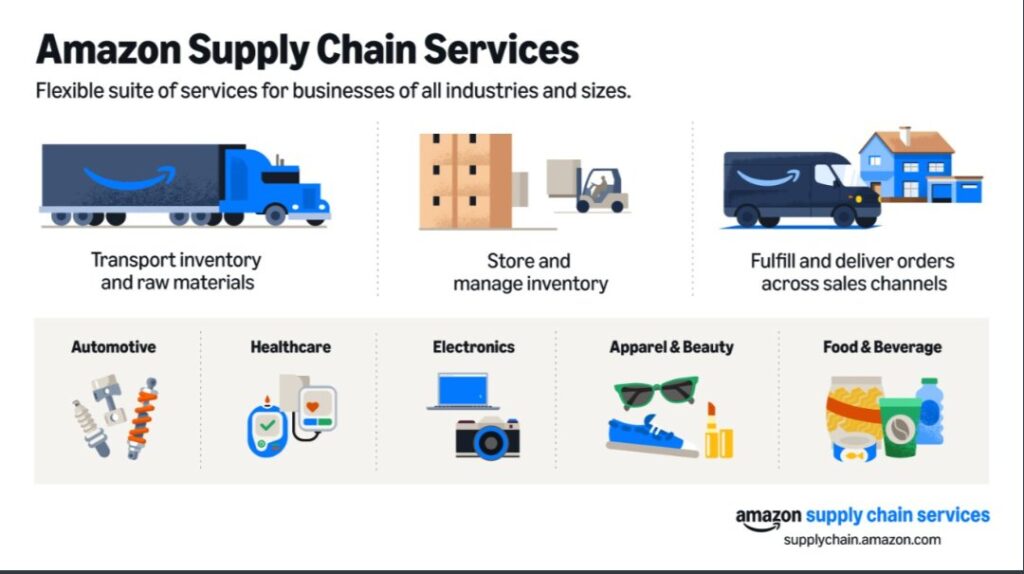
Amazon has introduced Amazon Supply Chain Services, opening its logistics network to businesses beyond its own marketplace sellers. The system connects freight, storage, distribution, and delivery into a single service that companies of all sizes can access.
This move allows entrepreneurs in Uganda to use the same infrastructure that supports global commerce. It removes the need to rely on fragmented shipping solutions that often increase costs and risk.
Faster and More Reliable Shipping
With access to Amazon’s logistics network, businesses can move goods from Uganda to international markets with greater speed and predictability. Freight options include both air and sea transport, supported by improved tracking and coordination.
Products can leave from hubs such as Entebbe and reach customers in Europe or North America without the long waiting periods that often affect traditional shipping routes. This level of reliability helps businesses plan better and meet customer expectations.
Storage and Fulfillment Close to Customers
Amazon’s distribution centers allow Ugandan exporters to store goods closer to their target markets. Instead of shipping each order individually from Uganda, products can be stocked abroad and delivered quickly when orders come in.
This approach reduces delivery times to a few days and improves customer satisfaction. It also lowers the pressure on local storage solutions, which can be expensive or inconsistent.
Lower Costs and Better Margins
One of the biggest advantages lies in cost reduction. Amazon’s scale allows businesses to access more affordable shipping and handling services. Lower logistics costs give exporters two options. They can increase profit margins or offer more competitive prices in global markets.
For small enterprises, this can make the difference between surviving and growing. It also allows them to compete with larger companies that already benefit from efficient supply chains.
Opportunities Across Sectors
The impact goes beyond a single type of business. Coffee exporters in regions like Mbale can reduce spoilage risks linked to delays. Manufacturers in Jinja can manage both incoming raw materials and outgoing products through one system. Importers in Kampala can also benefit from more reliable inbound logistics.
This flexibility supports a wide range of industries, including agriculture, retail, healthcare supplies, and manufacturing.
What It Means for Uganda’s Economy
Uganda has long dealt with logistical challenges that limit export growth. High transport costs and inefficient supply chains often hold businesses back from reaching international buyers.
Access to a global logistics network helps address these issues. It allows entrepreneurs to focus on production and market expansion rather than shipping complications. It also opens new opportunities for employment in logistics and related services.
As more businesses connect to global markets, the country strengthens its position in international trade. This shift supports economic growth and encourages innovation across sectors.
A New Phase for Trade and Growth
The introduction of Amazon Supply Chain Services marks a turning point for Ugandan businesses. What once acted as a barrier now becomes a tool for expansion. Entrepreneurs can reach customers faster, manage costs more effectively, and scale operations with greater confidence.
For many small business owners, this change could redefine how they compete on the global stage.
Also Read
Uganda Records 6.3% Economic Growth as Key Sectors Drive Expansion