Oil supply disruptions and rising prices ripple through trade, inflation, and growth worldwide
Escalating conflict between the United States and Iran has triggered a major shock to global energy markets, with far-reaching economic consequences. Joint military strikes by the US and Israel on February 28, 2026 targeted Iranian leadership and infrastructure, prompting retaliation that disrupted key shipping routes and pushed oil markets into instability.
At the center of the crisis is the Strait of Hormuz, a narrow but critical passage for global oil trade. Reduced traffic through the strait has cut supply flows sharply, creating what analysts describe as one of the largest disruptions in modern energy history.
Oil Supply Shock Drives Price Surge
The disruption has sent global oil prices climbing, with Brent crude rising above 100 dollars per barrel at several points. The reduction in exports from major Gulf producers has tightened supply, pushing up the cost of fuel across international markets.
Higher oil prices have quickly translated into increased costs for petrol, diesel, and aviation fuel. Industries that depend on energy, including transport and manufacturing, now face rising expenses that affect both businesses and consumers.
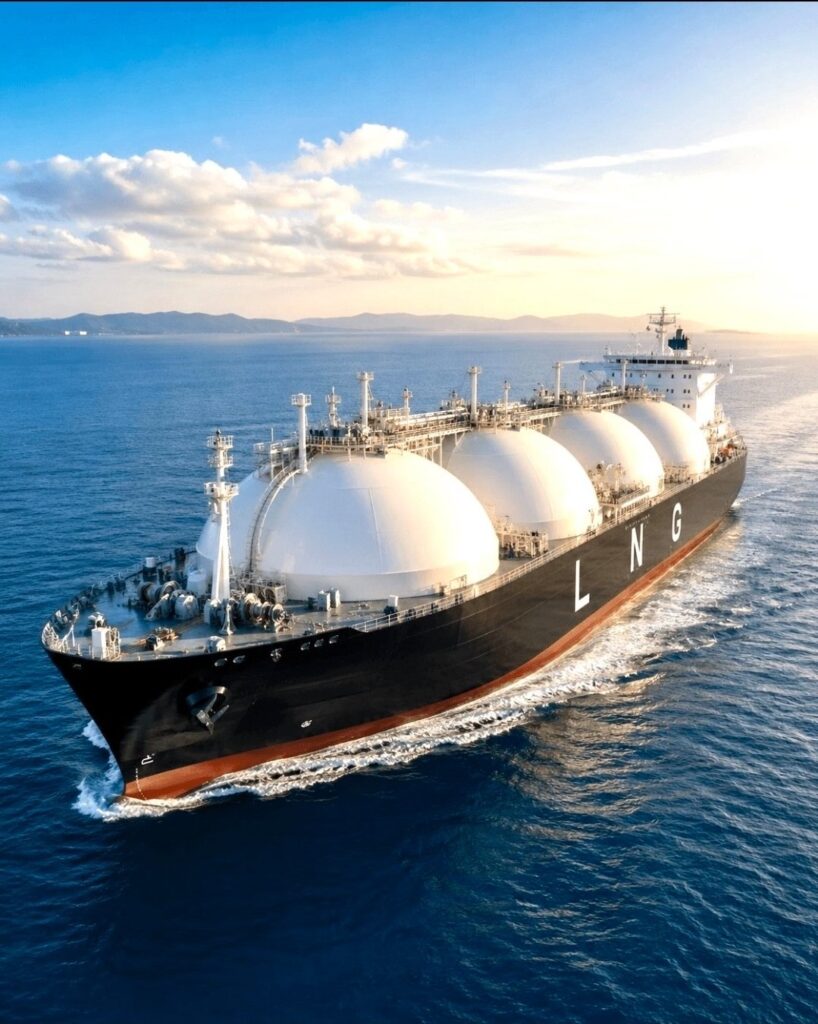
Liquefied natural gas shipments have also declined, adding pressure to global energy supplies and contributing to broader price increases.
Inflation and Growth Come Under Pressure
The surge in energy prices has created new challenges for global economies. Higher production and transport costs are feeding into inflation, reducing household purchasing power and slowing economic activity.
Central banks now face difficult decisions as they weigh the need to control inflation against the risk of weaker growth. Financial markets have reacted with volatility, with gains in energy stocks offset by losses in sectors such as aviation and retail.
Safe haven assets, including gold, have seen increased demand as investors respond to uncertainty.
Shipping Routes Disrupted
The conflict has forced shipping companies to rethink routes and logistics. Some vessels now avoid high risk zones, opting for longer journeys around Africa. This has increased freight costs and delayed deliveries of goods worldwide.
The impact goes beyond oil. Trade in fertilizers, industrial materials, and consumer goods has also been affected, raising costs across supply chains. Asian economies, which rely heavily on Gulf energy imports, have felt the strongest effects.
African Economies Face Rising Costs
African countries are experiencing the effects through higher fuel prices and increased import costs. Many nations depend on imported petroleum, making them vulnerable to global price swings.
In East Africa, transport and agriculture costs have risen as diesel prices increase. This has contributed to higher food prices and added pressure on households already dealing with inflation.
Countries with direct access to Atlantic trade routes have avoided some supply disruptions but still face elevated global prices.
Oil Producers See Mixed Outcomes
Oil producing nations such as Nigeria and Angola have benefited from higher export revenues. The price increase offers short term fiscal relief, though gains remain uneven.
Challenges persist due to production constraints, refining limitations, and currency volatility. Rising import costs and inflation continue to affect domestic economies, reducing the overall benefit of higher oil prices.
Trade and Supply Chains Under Strain
The rise in shipping costs has affected trade across the continent. Longer delivery times and higher freight charges are increasing the cost of both imports and exports.
Sectors such as agriculture and mining are facing additional pressure. Fertilizer supplies have tightened, affecting crop production, while mining operations face higher fuel costs that raise operational expenses.
At the same time, rising gold prices have supported revenues in gold producing countries, offering some balance to the broader economic strain.
Currency and Debt Pressures Increase
The global shift toward safer assets has strengthened the US dollar, putting pressure on African currencies. This has made imports more expensive and increased the cost of servicing external debt.
Countries with high debt levels face growing financial strain as borrowing costs rise and capital flows shift away from riskier markets.
Uncertain Outlook Amid Fragile Ceasefire
A ceasefire announced in early April has reduced immediate military activity, but negotiations remain stalled. Key issues include control of shipping routes, sanctions, and Iran’s nuclear program.
Any renewed escalation could push oil prices even higher, while a stable agreement could ease pressure on global markets later in the year.
Long Term Implications for Energy and Trade
The conflict has exposed the vulnerability of global energy systems to geopolitical shocks. It has also renewed focus on diversifying energy sources and reducing reliance on critical chokepoints like the Strait of Hormuz.
For Africa, the crisis highlights the need to strengthen energy security, expand refining capacity, and deepen regional trade through frameworks such as the African Continental Free Trade Area.
The situation remains fluid, but its effects are already clear. Rising fuel costs, disrupted trade, and economic pressure are shaping a challenging period for both global and African economies.
Also Read
U.S. Forces Seize Iranian-Flagged Vessel in Arabian Sea Amid Dispute Over Cargo
Fuel Shortage Grips Kampala as Stations Run Dry and Rationing Begins