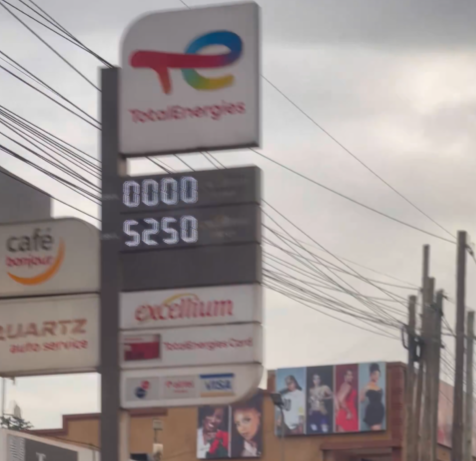
Motorists face long queues and rising prices as supply disruptions spread across the city
A growing fuel shortage has disrupted daily life in Kampala and surrounding areas, leaving motorists searching for fuel and dealing with long queues at the few stations still operating. Many outlets have run dry, while others have introduced rationing to manage limited supplies.
The situation has frustrated transporters, boda boda riders, and private drivers who now spend hours moving from one station to another. While the government insists that national fuel reserves remain sufficient, the shortage on the ground continues to affect movement and business activity.
Fuel Stations Struggle to Keep Up
Since mid April 2026, several petrol stations across the city have reported stockouts. Major outlets operated by Shell and TotalEnergies, which operates locally through Vivo Energy, have been among the hardest hit.
Areas such as Munyonyo, Kibuli, Rubaga Road, Namungoona, and Masaka Road have experienced repeated shortages. Some stations have closed for days, while others turn away customers due to lack of fuel.
Rationing Tightens Access
Fuel dealers have introduced limits on how much each customer can buy. Many motorists now receive between 10 and 20 liters, even when they request a full tank. This has led to early morning queues and crowded stations as drivers try to secure limited supply.
Those unable to find fuel at major outlets have turned to smaller brands like Rubis Energy, Kobil, and Stabex International, though availability remains inconsistent.
Prices Rise Across the City
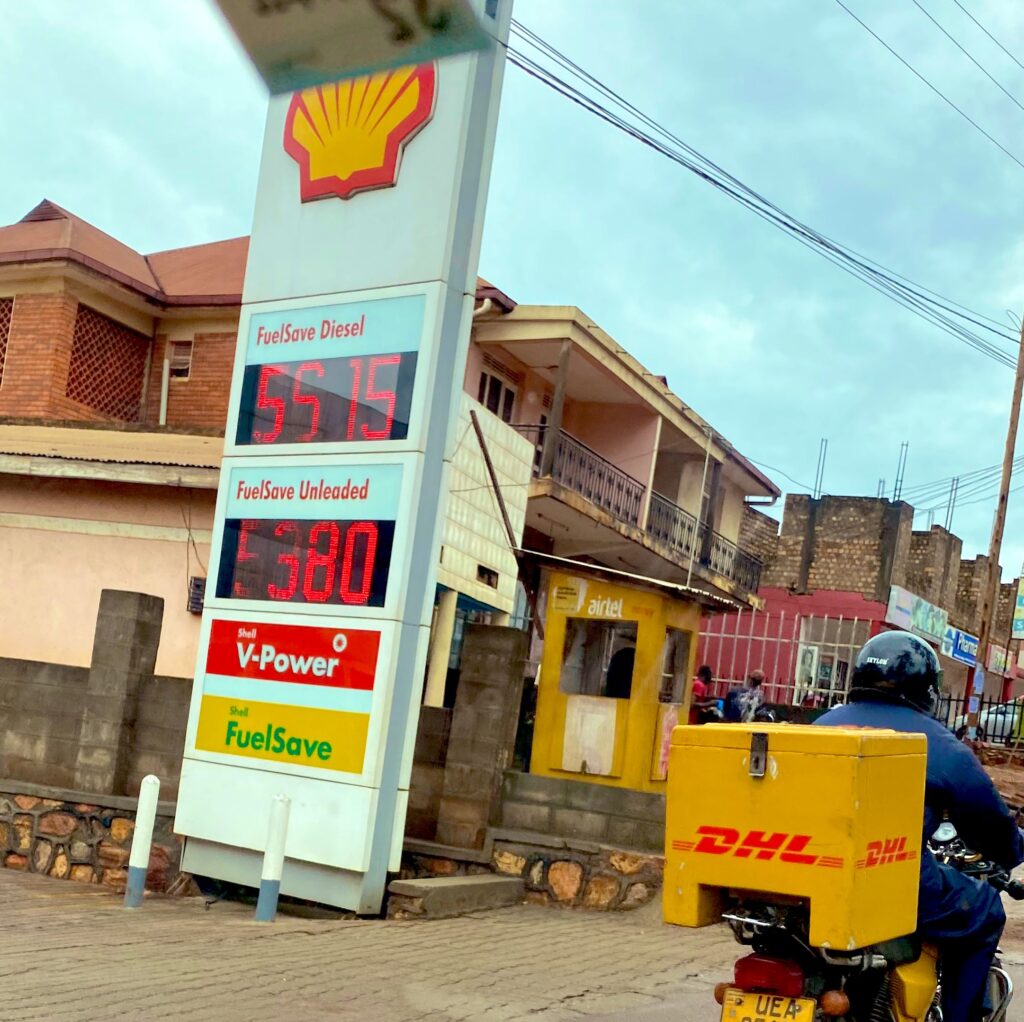
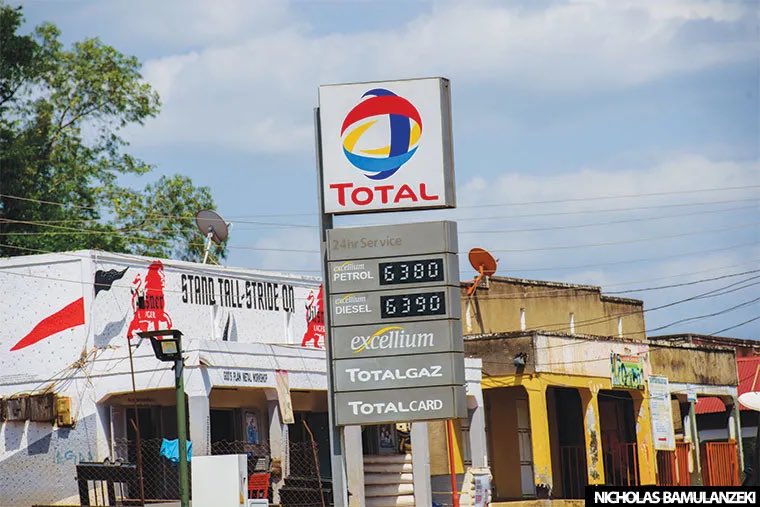
Fuel prices have increased sharply during the shortage. Petrol prices now vary widely between stations, with noticeable differences depending on location and availability. In some cases, desperate buyers report paying significantly higher rates than usual.
Diesel prices have also risen, adding pressure on transport operators and businesses that rely on steady fuel supply. The price shifts have created uncertainty for many who depend on predictable transport costs.
Transport Sector Under Pressure
The shortage has disrupted the transport sector, with boda boda riders and taxi operators reporting reduced income and higher operating costs. Some have cut back on trips, while others have increased fares to cope with rising expenses.
Businesses that depend on transport face delays and higher delivery costs. These changes are starting to affect the prices of goods, placing additional strain on households.
Government Defends Supply Levels
The Ministry of Energy and Mineral Development and the Uganda National Oil Company maintain that Uganda has adequate fuel reserves. Officials have pointed to ongoing deliveries and activity at fuel depots as evidence that supply continues to enter the country.
They attribute the shortages to distribution challenges at the retail level rather than a nationwide crisis. Authorities have also begun investigating claims of hoarding and selective selling by some dealers.
Global Disruptions Add Pressure
The shortage links partly to global oil supply challenges. Tensions involving the United States, Israel, and Iran have affected key shipping routes, including the Strait of Hormuz, which handles a large share of global oil trade.
Uganda depends on fuel imports through Kenya and Tanzania, making it vulnerable to delays and price increases. Local distribution issues and increased demand have added to the strain in Kampala.
Economic Impact Spreads
The effects of the shortage are spreading through the economy. Higher transport costs are likely to increase the prices of food and other essential goods. In areas outside Kampala, the shortage has disrupted daily routines even more severely.
If the situation continues, it could affect business operations and slow economic activity across multiple sectors.
Uncertain Outlook as Supplies Awaited
New fuel shipments are expected in early May, which may ease the shortage if distribution improves. Until then, motorists continue to adjust their travel plans and fuel use.
The crisis highlights Uganda’s reliance on imported fuel and the risks tied to global supply disruptions. It also raises questions about long term strategies to secure a consistent supply and reduce future shocks.
Also Read
Uganda Declines Kenya’s Request for Access to Fuel Stocks Amid Regional Supply Pressure
Rising Global Fuel Prices Hit Motorists and Households as Conflicts Push Energy Costs Higher