Wide-ranging reforms trigger political divisions and scrutiny over oversight and impact
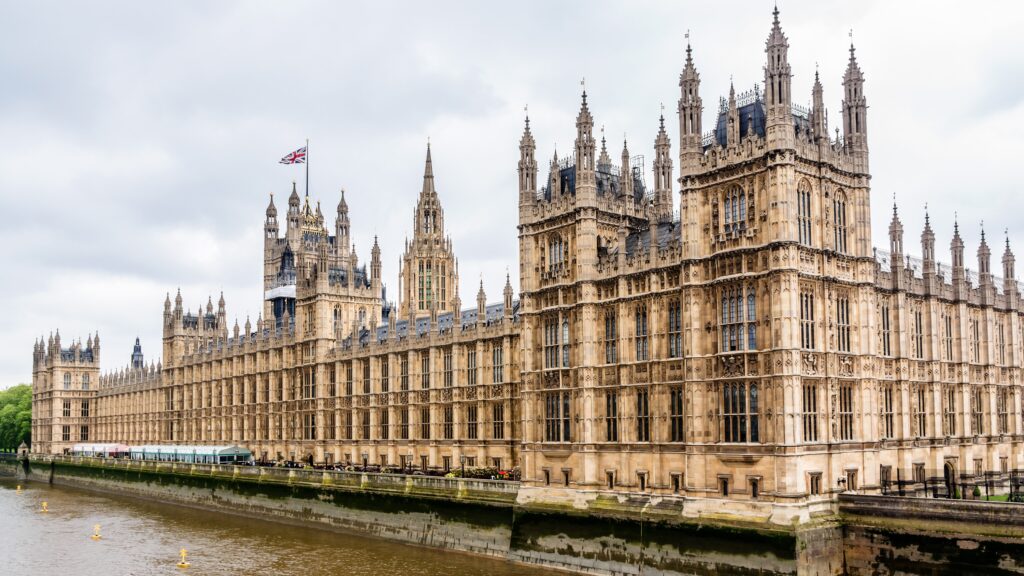
The UK Parliament has seen intense debate following a new set of immigration reforms introduced in March 2026. The changes, presented by the Home Office under Home Secretary Shabana Mahmood, form part of a broader effort to tighten immigration control and reshape how the system operates.
The policy package, formally issued as a Statement of Changes to Immigration Rules, took effect in stages from early March through April. It covers asylum, work visas, settlement rules, and enforcement measures. The rollout has exposed divisions across political lines and raised concerns about how such changes pass through Parliament.
Major Changes to Asylum and Refugee Policy
The reforms introduce a shorter period of initial protection for some refugees. New applicants may now receive 30 months of leave instead of the previous five years. Officials say this allows authorities to reassess conditions in home countries and return individuals if situations improve.
The changes also adjust appeal processes and accommodation rules for asylum seekers. Critics argue that the shorter timeframe creates uncertainty and increases the risk of hardship for vulnerable groups. Concerns have also emerged about pressure on local services and housing systems.
Shift Toward an Earned Settlement Model
The government has proposed a longer pathway to permanent residency, known as Indefinite Leave to Remain. The new direction points toward a system where migrants must meet stricter requirements over a longer period, potentially up to ten years.
Applicants may face higher English language standards and closer links between residency rights and economic contribution. Some lawmakers and advocacy groups have questioned whether these proposals could apply to people already in the system, raising concerns about fairness.
Tighter Controls on Work and Visa Routes
New rules target work visa compliance, especially around salary payments. Authorities aim to prevent underpayment and enforce stricter conditions for employers and migrants.
The reforms also update visa requirements for certain nationalities and introduce mechanisms to pause visa routes if needed. Changes extend to business mobility schemes and other specialized entry pathways. Enforcement measures, including biometric tracking, have also expanded.
Concerns Over Limited Parliamentary Oversight
A key point of tension centers on how the changes were introduced. The government used secondary legislation, which allows ministers to update immigration rules without a full parliamentary vote in most cases.
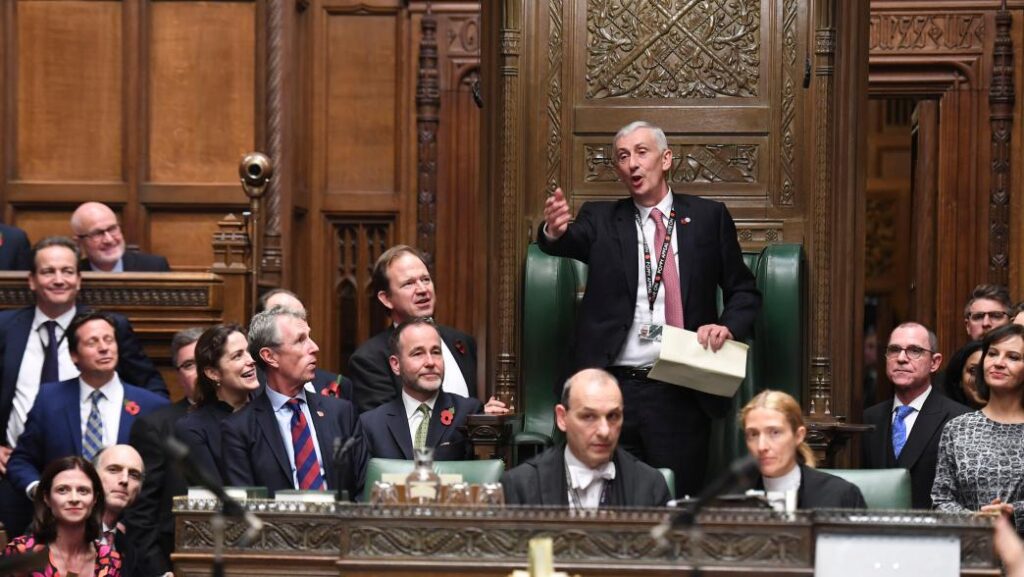
This approach has drawn criticism from across the political spectrum. Lawmakers argue that such significant policy shifts should undergo deeper scrutiny. Debates in both chambers have included motions aimed at highlighting concerns, even if they do not block implementation.
Political Divisions Come Into Focus
The reforms have exposed differences within parties as well as between them. Some members of the ruling party have raised concerns about the social and humanitarian effects of stricter rules. Others support the measures as necessary to manage migration levels and reduce system backlogs.
Opposition voices have taken varied positions. Some call for stronger enforcement and stricter border controls, while others focus on protecting refugee rights and maintaining access to essential workers in sectors such as health and care.
Wider Pressures Driving the Policy
The debate reflects ongoing challenges in the UK immigration system. High migration figures, delays in asylum processing, and continued small boat crossings have kept the issue at the center of public discussion.
The current government, elected in 2024, has faced pressure to act while balancing competing priorities. These include economic needs, public services, and international obligations.
Some of the new rules are already in force, while others remain under consultation. Further debates, possible legal challenges, and continued scrutiny are likely in the months ahead.
The outcome will depend on how effectively the government enforces the changes and whether they achieve stated goals such as reducing backlogs and restoring confidence in the system. For now, the debate inside Parliament reflects a broader national conversation that remains unresolved.
Also Read
UK Moves to Create a Smoke-Free Generation with Landmark Tobacco Ban
VFS Global Expands UK Visa Services to Entebbe, Boosting Travel Convenience for Ugandans