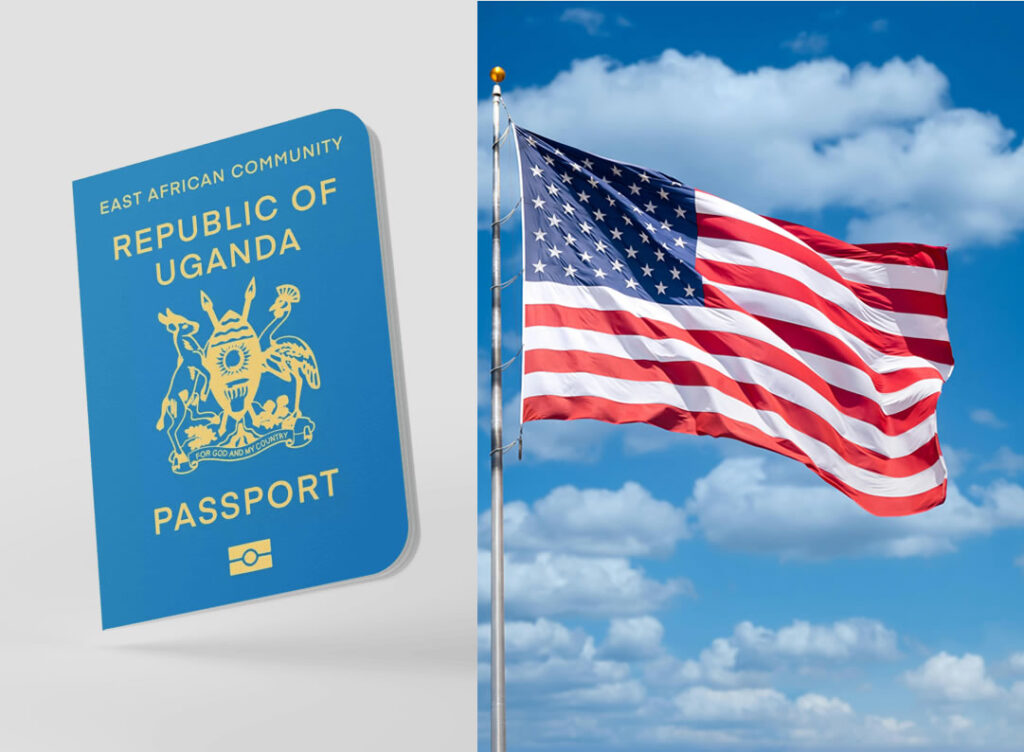
The landscape for Ugandan travelers heading to the United States has shifted significantly in early 2026. New policies aimed at curbing visa overstays and managing public assistance reliance have introduced additional financial and procedural steps for passport holders.
If you are planning a trip to the U.S. this year, here is a breakdown of the most critical updates.
1. The New Visa Bond Requirement
The most notable change is the introduction of a Visa Bond Pilot Program. As of January 21, 2026, Ugandan nationals applying for B1 (Business) and B2 (Tourism) visas may be required to post a refundable financial bond.
- Bond Amounts: Depending on the consular officer’s assessment, the bond can be $5,000, $10,000, or $15,000.
- The Process: You do not pay this upfront. A consular officer will determine if a bond is necessary during your interview. If required, you will receive instructions to pay via the official U.S. government platform, Pay.gov.
- Refunding: The bond is intended to be refunded after you depart the U.S. on time. However, it may be forfeited if you overstay or attempt to change your immigration status while in the country.
2. Pause on Immigrant Visa Issuance
- For those seeking to move to the U.S. permanently, there is a current hurdle. Effective January 21, 2026, the U.S. Department of State has paused the issuance of immigrant visas for nationals of several countries, including Uganda.
- Reasoning: This measure targets countries whose immigrants have a statistically higher rate of relying on public assistance.
- Interviews Still Ongoing: While issuance is paused, the Embassy is still scheduling and conducting interviews. This allows applications to remain in the “pipeline” until the pause is lifted or modified.
3. Mandatory Social Media Vetting
Security vetting has become more rigorous. Applicants for specific non immigrant visas—including H-1B (Work), F (Student), and J (Exchange)—must now adjust their social media privacy settings to “Public.”
This is to facilitate identity verification and admissibility checks.
Failing to provide accurate social media handles or blocking access during the vetting period may lead to processing delays or visa denials.
4. Designated Ports of Entry
Under the new bond program, travelers required to post a bond must enter and exit the U.S. through specific Designated Ports of Entry to ensure their departure is properly recorded for the bond refund. Common designated ports include:
- JFK (New York)
- IAD (Washington, D.C.)
- BOS (Boston)