Uganda Airlines, the national carrier, has announced a temporary disruption to its long-haul operations after both of its wide-body aircraft were taken out of service for unscheduled maintenance. The airline shared this update on February 20, 2026, noting that key international routes, including London Gatwick and Mumbai, are directly affected, with ripple effects on other services to destinations like Nigeria and the UAE.
What Happened?
In an official statement on social media, Uganda Airlines said:
“Uganda Airlines wishes to inform our esteemed guests that two of our long-haul aircraft are temporarily out of service due to unscheduled maintenance.”
The airline emphasized that passenger safety remains the top priority and assured travelers that technical teams are working urgently to resolve the issues. Affected passengers are being rebooked where possible, and schedule adjustments are being coordinated, including partnerships with other carriers to minimize disruption.
The two aircraft affected are the airline’s entire fleet of Airbus A330-800neo jets, the only planes capable of long-haul international service. These modern aircraft, around five years old, are central to Uganda Airlines’ expansion into Europe, the Middle East, and Asia since the carrier resumed operations in 2019.
Route-Specific Impacts
- London Gatwick: Service suspended, with no flights currently on sale. The last flight appears to have operated in mid-February.
- Mumbai: Multiple cancellations reported, including flights UR 430/431.
- Other routes (e.g., Lagos, Dubai): Some delays and cancellations, though Dubai flights may continue on a limited basis.
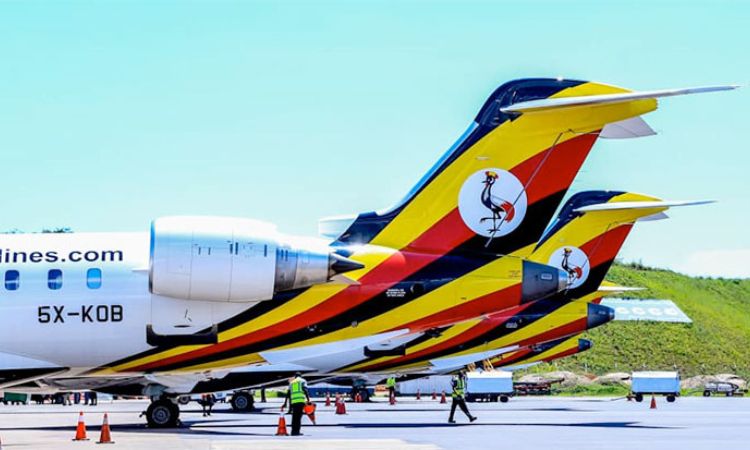
With the long-haul fleet offline, Uganda Airlines is relying on its regional Bombardier CRJ900 jets for shorter African routes, leaving a significant gap in capacity and revenue generation.
Background
Reports indicate that one A330neo has been grounded since mid-January due to pending obligations with engine supplier Rolls-Royce. The second aircraft was sidelined around February 19 after inspections revealed engine blade issues requiring immediate attention.
Uganda Airlines, a relatively young carrier with a fleet of six aircraft (four CRJ900s and two A330-800neos), has faced maintenance and operational challenges before. Operating high-profile international routes with a small fleet leaves little room for redundancy, making disruptions more impactful. Experts have noted that the choice of the rare A330-800neo, high maintenance costs, and supply chain dependencies have contributed to the current situation. Leadership changes, including an acting CEO, have coincided with these operational hurdles, prompting calls for strategic fleet reviews and audits.
Uganda Airlines has promised updates as repairs progress and urges passengers to monitor official channels or contact customer service. Travelers affected by cancellations should:
- Check Uganda Airlines’ official announcements for updates.
- Explore rebooking options or refunds per airline policy.
- Consider alternative carriers for urgent travel.
This disruption highlights a broader challenge in African aviation: balancing ambitious international expansion with fleet limitations, maintenance logistics, and financial resilience. While temporary, the grounding underscores the importance of robust contingency planning to maintain reliable service.
Passengers can expect Uganda Airlines’ A330-800neos to return to service soon, reconnecting Uganda to the world.