The Uganda National Oil Company (UNOC) is set to acquire a 20.15% strategic stake in the Kenya Pipeline Company (KPC), signaling a landmark development in East African energy collaboration and security. The announcement came on February 24, 2026, following Cabinet approval on February 23, and coincides with Kenya’s plans to partially privatize KPC through an Initial Public Offering (IPO) on the Nairobi Securities Exchange (NSE).
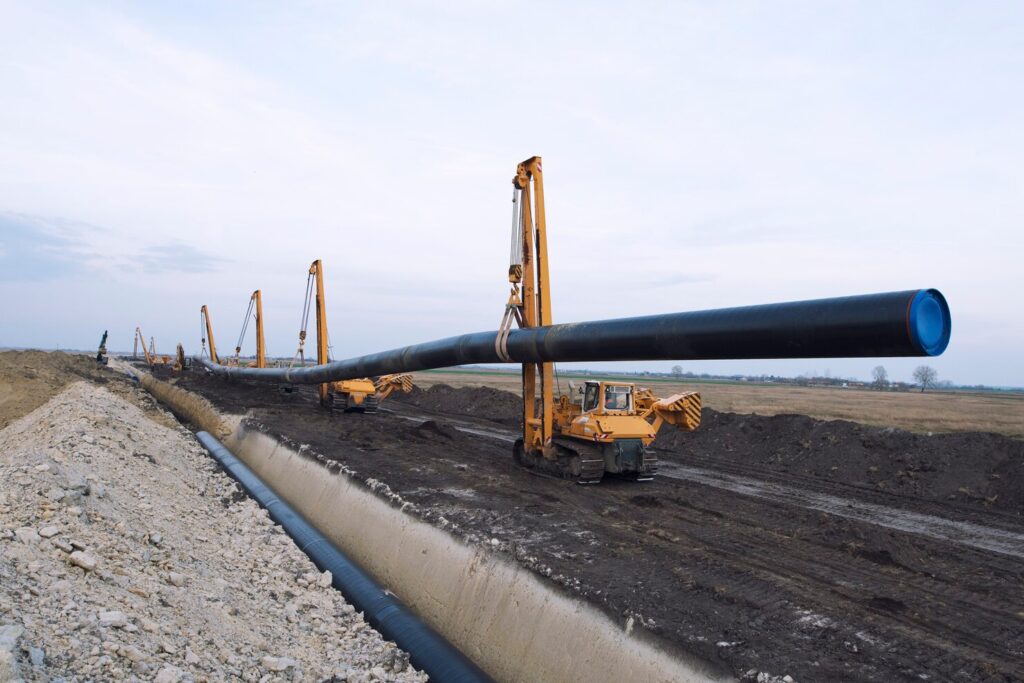
KPC operates Kenya’s critical petroleum pipeline network, transporting refined products from Mombasa to inland hubs including Nairobi and Eldoret. For Uganda, this network is essential: about 95% of its petroleum imports pass through Kenya, and roughly 65% of KPC’s transit volumes are destined for Ugandan markets. This heavy reliance has made fuel supply stability, pricing, and logistics a strategic concern for Kampala.
By becoming a significant shareholder, Uganda gains a seat at the table in decisions that directly affect its energy needs. The agreement includes key safeguards, including:
- Veto powers over pipeline tariff changes
- Approval on revisions to KPC’s dividend policy
- Oversight of material alterations to the company’s business plan
- Protection against share dilution affecting Uganda’s stake
- Consent on amendments to KPC’s memorandum or articles of association
These provisions aim to ensure stable, predictable operations for cross-border fuel flows.
UNOC will invest approximately $255.4 million (around KSh 32.95 billion) to secure the 20.15% stake, with shares offered at KSh 9 each. Under Kenya’s partial privatization plan, the government will retain 35% ownership while offering 65% to public and strategic investors.
This acquisition builds on prior cooperation, including a Transportation and Storage Agreement signed between UNOC and KPC in May 2024. High-level diplomatic engagement, reportedly facilitated by President Yoweri Museveni, helped secure terms favorable to Uganda. The investment also aligns with Uganda’s broader energy strategy, particularly as the country prepares for its own oil production in the Albertine Graben region and related infrastructure projects.
By acquiring a stake in KPC, Uganda strengthens regional energy ties and transforms a dependency into shared governance. The move reduces risks from potential tariff increases, supply disruptions, or unilateral policy changes that could affect fuel prices in Uganda. For Kenya, having UNOC as a major investor supports the KPC IPO and brings significant capital into the privatization process.
Overall, the deal advances regional integration in the petroleum sector, enhances mutual economic interests, and promotes long-term energy stability. As East Africa moves toward greater energy self-sufficiency—with Uganda’s upcoming oil exports and ongoing regional pipeline discussions—this strategic investment sets a positive precedent for collaborative infrastructure ownership across borders.