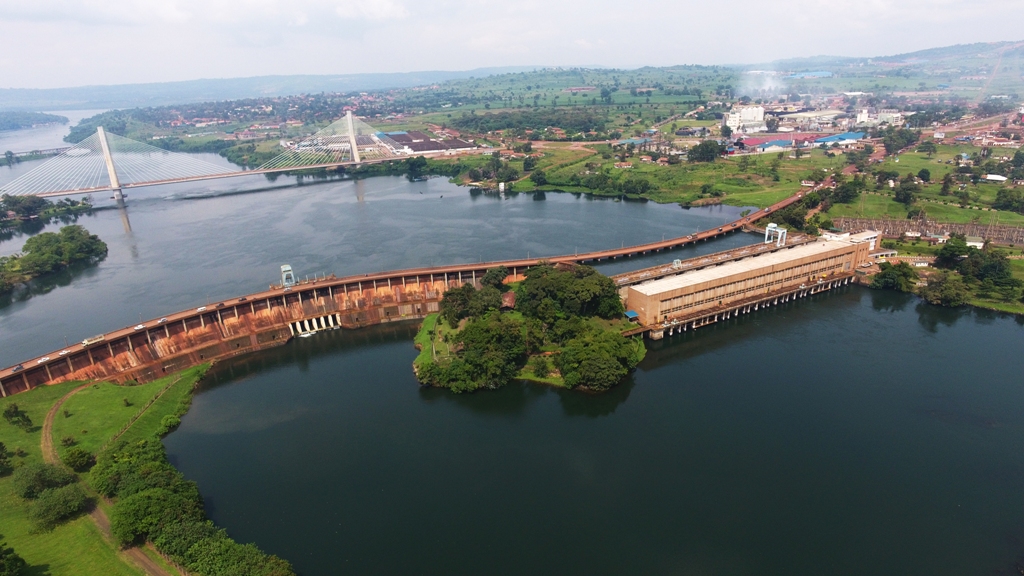
France and the European Union have pledged about Shs735 billion (around €170 million) to rehabilitate Uganda’s Nalubaale and Kiira hydropower dams on the White Nile in Jinja.
The funding, a mix of grants and concessional loans, is part of the EU’s Global Gateway initiative and is being implemented in partnership with France through the Agence Française de Développement (AFD) and the European Investment Bank (EIB).
This investment reflects strong international cooperation to maintain Uganda’s energy security while promoting sustainable infrastructure.
Background on Nalubaale and Kiira Dams
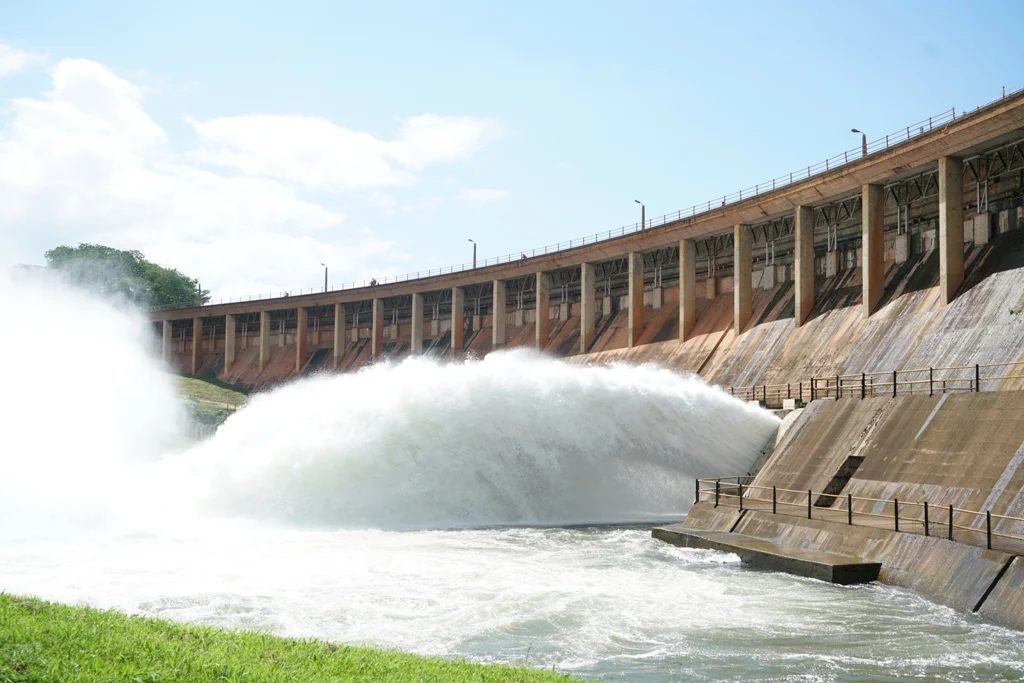
Nalubaale Dam, formerly known as Owen Falls, was constructed in the 1950s and has a capacity of 180 MW across ten generating units.
Adjacent to it, Kiira Dam contributes around 200 MW, bringing the combined output to roughly 380 MW.
For decades, these dams have been central to Uganda’s electricity supply, with hydropower providing nearly 90% of the country’s installed capacity.
Over time, both facilities have aged. Challenges include outdated turbine units, worn hydromechanical equipment, aging automation systems, and riverbank erosion that poses structural risks.
Scope of the Rehabilitation Project
The rehabilitation aims to extend the operational life of both dams significantly, targeting between 30 to 70 years of reliable service.
Key interventions include:
- Refurbishing and modernizing hydropower plants.
- Replacing obsolete automation, protection, and control systems, especially at Kiira.
- Overhauling all ten generating units at Nalubaale.
- Upgrading dam gates and other mechanical components.
- Stabilizing riverbanks and improving overall safety.
The financing package includes a €30 million EU grant to de-risk the project and concessional loans from EIB and AFD totaling around €140 million.
This Team Europe approach blends grants and favorable loans, making the project financially viable while promoting climate resilience and stable energy access.
Expected Benefits
The rehabilitation is expected to deliver multiple benefits:
- Energy stability: Reduce breakdowns and ensure consistent power supply to support economic growth.
- Lower costs: Modernization may help stabilize or reduce electricity tariffs.
- Long-term sustainability: Maintain a key Nile asset that supports flood control and water access.
- Economic impact: Reliable electricity supports manufacturing, agriculture, and job creation.
Preparatory work has been ongoing since 2024, with major construction set to begin in 2026 after environmental and social assessments and finalization of loan agreements.
Strategic Importance
The project strengthens ties between Uganda, France, and the EU in the energy sector.
For Uganda, it ensures that its existing infrastructure remains robust and reliable before investing in new projects.
For France and the EU, it aligns with Global Gateway priorities, including clean energy, climate adaptation, and sustainable development.
Officials, including the French Ambassador and EU delegation, are actively engaging with Uganda Electricity Generation Company Limited (UEGCL) to move the project forward.
Securing Uganda’s Energy Future
The Shs735 billion commitment is a major boost for Uganda’s hydropower sector.
By rehabilitating Nalubaale and Kiira, Uganda secures its energy backbone for decades, supports economic growth, and demonstrates successful international cooperation in Africa’s sustainable development.
Also Read
EU Pledges $33 Million to Modernize Uganda’s Hydropower Sector
Empowering Entrepreneurs and SMEs, Inside Asely Business Innovations’ January Strategy Drive