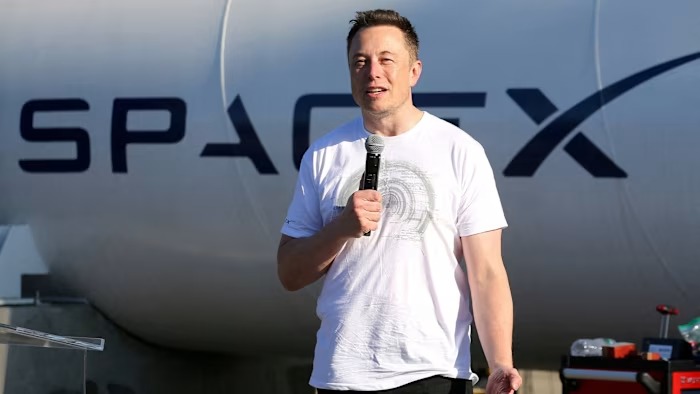
The long-rumored listing of SpaceX is now officially shifting into active territory. As of April 2026, the company has moved from speculation to formal filing, setting the stage for what could become the largest initial public offering in financial history.
With a projected valuation of around $1.75 trillion, the listing is already being described as a potential turning point not just for the company, but for the wider tech and capital markets landscape.
A Dual-Class Structure That Preserves Control
At the center of the offering is a governance structure designed to maintain strong internal control even after public listing.
SpaceX is expected to use a dual-class share system. One class will be sold to the public, carrying standard voting rights, while another class remains with insiders and carries significantly higher voting power per share.
This structure means that even if Elon Musk holds less than half of the company’s equity, he would still retain dominant control over major decisions, including board appointments, mergers, and strategic direction.

The AI Expansion Driving the Valuation Surge
A major factor behind the dramatic valuation jump from roughly $350 billion in 2025 to $1.75 trillion in 2026 is the company’s expanded artificial intelligence strategy following its integration with xAI.
SpaceX is no longer being viewed purely as a space exploration or satellite company. Investors are now pricing it as a combined infrastructure and AI ecosystem.
A key element of the filing highlights the development of orbital-based computing systems using the Starlink satellite network. These systems are designed to reduce latency and offer secure data hosting capabilities for governments and large institutions.
Financial disclosures suggest the combined business generated approximately $15–16 billion in 2025, with Starlink contributing the majority share.
Unusually High Retail Access in the IPO
One of the most notable features of the offering is the decision to allocate around 30% of shares to retail investors.
This is significantly higher than the typical IPO structure, where individual investors usually receive a small fraction of total shares.
The move is expected to allow global participation, with access reportedly being prepared for investors across the United States, Europe, Asia, and other regions.
However, analysts have raised concerns that such broad retail access may also increase volatility and provide exit opportunities for early private investors at extremely high valuations.
Wall Street’s Full-Scale Backing
The underwriting lineup signals strong institutional confidence in the deal. Major financial institutions, including Morgan Stanley, Goldman Sachs, JPMorgan Chase, and Bank of America, are all involved in the process.
Morgan Stanley, led by veteran dealmaker Michael Grimes, is expected to play a central coordinating role, drawing on experience from major tech listings in previous decades.
The fundraising target is reportedly up to $75 billion, which would exceed the record set by Saudi Aramco’s 2019 IPO.
Key Timeline for Investors
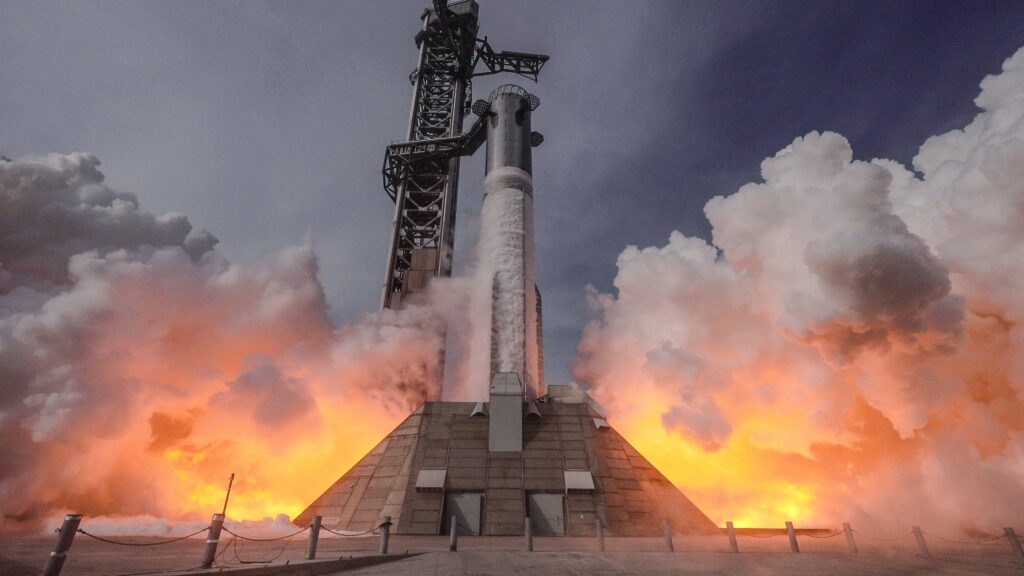
The IPO process is expected to accelerate quickly over the coming months. The investor roadshow is projected to begin in early June 2026, followed by a potential listing on Nasdaq later that month.
If successful, this would mark one of the most significant transitions in modern corporate history, shifting SpaceX from a private aerospace pioneer into a publicly traded global infrastructure and AI powerhouse.
A Defining Moment for Tech Markets
The move effectively positions SpaceX as a central pillar of Elon Musk’s broader technology ecosystem, spanning space exploration, satellite communications, and artificial intelligence.
Whether it becomes a market-defining success or a cautionary tale will depend on how investors respond to one of the most ambitious public offerings ever attempted.
Also Read
Namibia Rejects Starlink License Over 51% Local Ownership Law
OpenAI Becomes the World’s Most Valuable Startup, Surpassing SpaceX at a $500 Billion Valuation