The Speaker denies viral claims as controversy raises questions about political balance in Uganda’s legislature
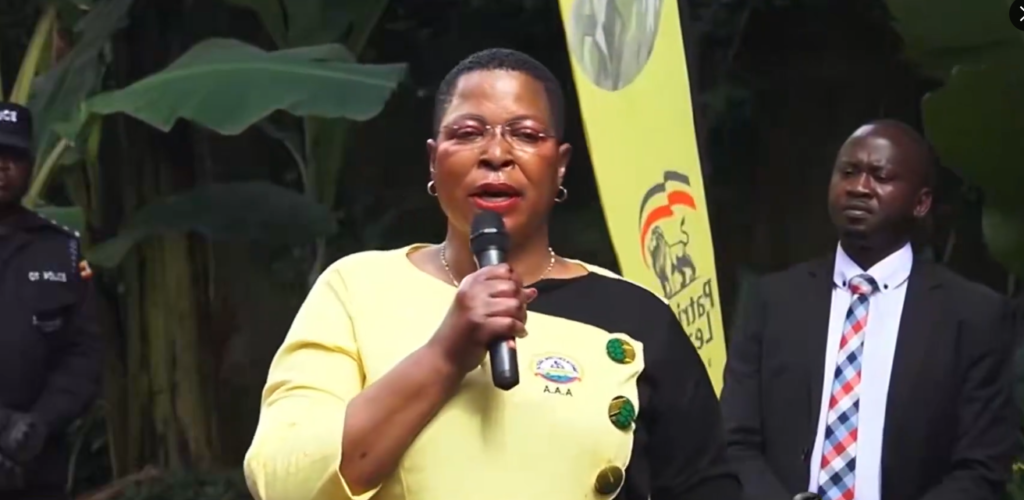
Anita Annet Among has come under scrutiny following remarks about the role of the opposition in Uganda’s incoming 12th Parliament. Statements attributed to her suggested that the opposition had been largely ineffective in the 11th Parliament and would face even greater defeat in the next legislative term.
The comments, reportedly made during a political gathering linked to the ruling National Resistance Movement, quickly spread across social media and sparked strong reactions from political actors and the public.
Remarks Trigger Political Backlash
According to widely circulated accounts, Among stated that the opposition had effectively not existed in the 11th Parliament and would be “walloped” in the 12th. The remarks were interpreted as a declaration that the ruling party would dominate proceedings to the point of limiting opposition influence.
Critics argued that such statements reflect a dismissive stance toward multiparty democracy. Opposition supporters pointed to the language as evidence of growing imbalance in Uganda’s political system, where ruling party dominance could weaken oversight and debate.
The remarks gained traction online, with clips and transcripts shared widely. This amplified the controversy and intensified public discussion around the role of Parliament and political competition.
Speaker Denies Viral Claims
In response to the backlash, Anita Among rejected the version of events circulating online. She described a widely shared video as manipulated and suggested it may have been generated or altered using artificial intelligence.
She maintained that her position supports respect for all members of Parliament and denied claims that she intended to undermine or dismiss the opposition. Her response has not fully settled the debate, as different accounts of the speech continue to circulate.
The disagreement over what was actually said has added another layer to the controversy, highlighting how digital content can shape political narratives.
Changing Balance in Parliament
The debate comes as Uganda transitions into its 12th Parliament following the 2026 general elections. The ruling party secured a strong majority, while opposition representation declined compared to the previous term.
The National Unity Platform remains one of the main opposition forces but has fewer seats than before. Overall opposition numbers have dropped, making it more difficult for them to influence legislative outcomes or challenge government positions.
This shift in numbers has reinforced concerns about the effectiveness of parliamentary checks and balances. With fewer MPs, opposition parties may struggle to shape debates or block legislation.
Reactions Across the Political Spectrum
Opposition figures have criticized the reported remarks, describing them as undemocratic and dismissive of pluralism. They argue that Parliament should remain a space for diverse views and accountability, regardless of party strength.
Supporters within ruling party circles have largely framed the situation differently. They view the election results as a clear mandate and see strong parliamentary control as a reflection of voter choice.
Yoweri Kaguta Museveni has endorsed Among to continue in her leadership role, alongside Deputy Speaker Thomas Tayebwa. This backing signals continuity in how parliamentary business may be conducted in the new term.
Broader Questions on Democratic Space
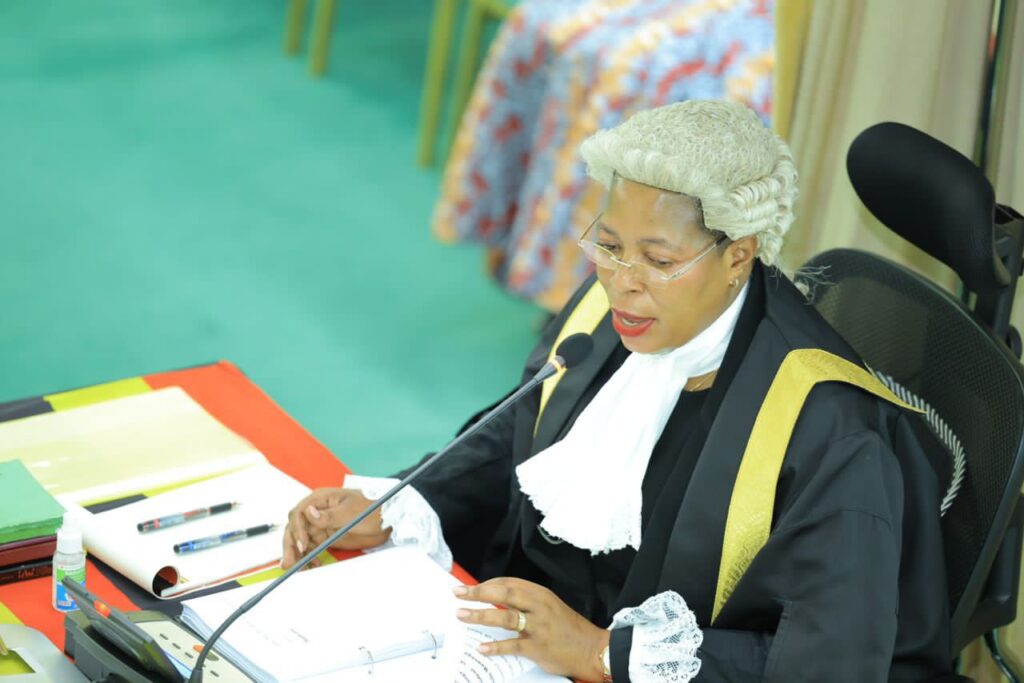
The controversy has reignited debate about the role of the Speaker in Uganda’s political system. The position is expected to balance neutrality with leadership of parliamentary proceedings, yet critics argue that it often aligns closely with the ruling party.
Among has remained a central figure in these discussions since taking office in 2022. Supporters credit her with maintaining order and advancing legislative work, while critics point to decisions they see as unfavorable to opposition voices.
The current episode adds to ongoing concerns about how political power is exercised within Parliament. It also raises questions about how digital media and claims of manipulated content influence public perception.
Looking Ahead to the 12th Parliament
As the 12th Parliament begins its work, attention will focus on how effectively it can represent diverse political interests. The reduced presence of opposition MPs presents a challenge for those seeking stronger oversight and debate.
The controversy surrounding Anita Among’s remarks reflects deeper tensions within Uganda’s political environment. It highlights the impact of electoral outcomes on legislative dynamics and the importance of maintaining space for differing viewpoints.
How the new Parliament operates in practice will shape perceptions of Uganda’s democratic process in the coming years.
Also Read
Norbert Mao Declares Bid for Speaker of Uganda’s 12th Parliament
Thousands Gather at Kololo for Muhoozi’s 52nd Birthday Charity Run