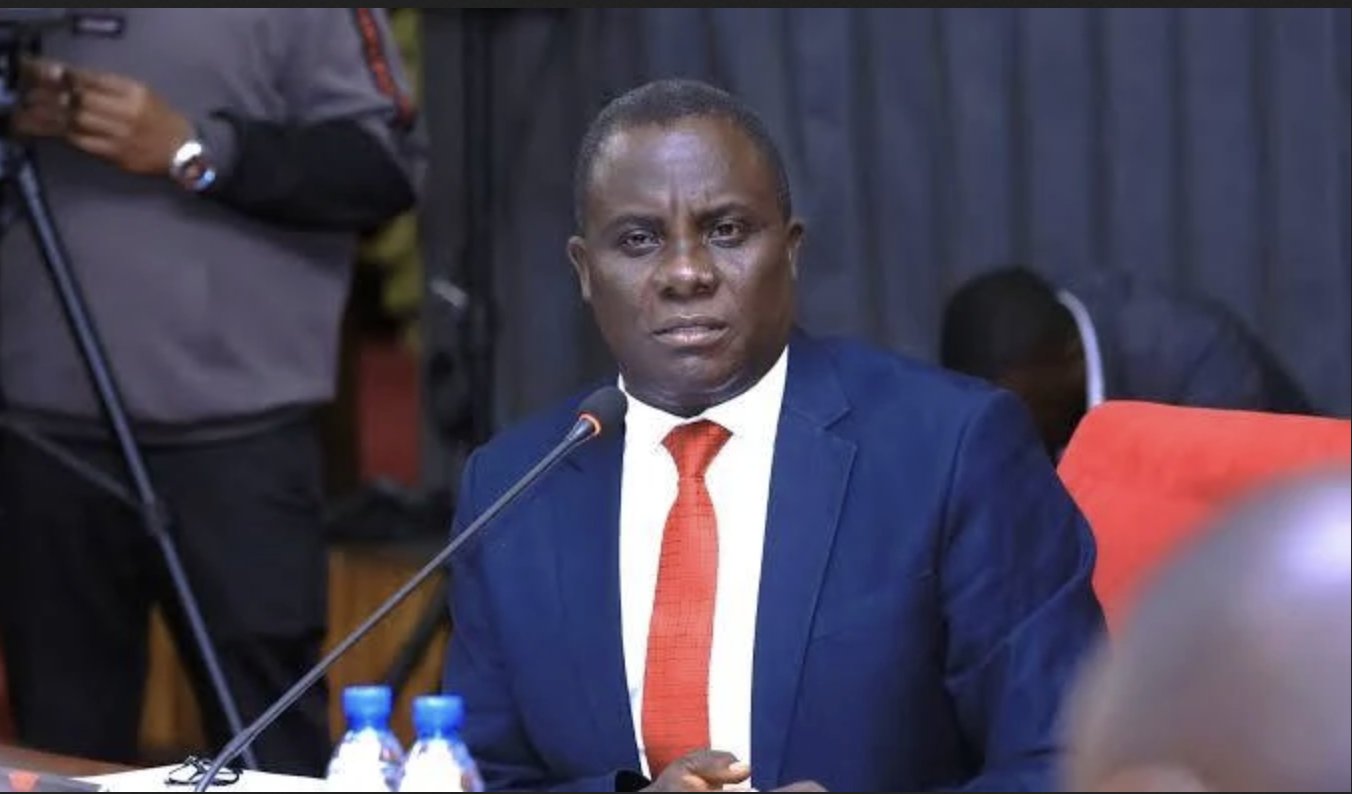
Dr. Lawrence Muganga has publicly challenged the circumstances surrounding Parliament’s decision to reject his appointment as State Minister for Internal Affairs, accusing members of the Appointments Committee of discrimination and claiming the outcome had been predetermined before his vetting.
In a strongly worded statement posted on X, Muganga denied allegations that he holds a Rwandan passport and alleged that the rejection was driven by personal bias rather than legal or constitutional considerations. His remarks have added a new dimension to an already contentious debate surrounding citizenship, political appointments, and the treatment of Uganda’s Banyarwanda community.
The controversy stems from Parliament’s decision not to approve Muganga’s appointment following concerns raised during the vetting process regarding his citizenship status.
Responding to comments attributed to Daudi Kabanda, Muganga insisted he does not possess a Rwandan passport and described claims suggesting otherwise as false.
According to Muganga, the narrative surrounding his citizenship was introduced during the vetting process and became a central factor in the committee’s decision to reject his nomination.
His latest statement follows earlier remarks in which he maintained that he was previously a dual citizen of Uganda and Canada and not a citizen of Rwanda.
In his post, Muganga further alleged that the outcome of the vetting process had been decided before he appeared before Parliament’s Appointments Committee.
He claimed that comments allegedly made by Deputy Speaker Thomas Tayebwa suggested the committee had already resolved to reject his appointment.
Muganga argued that the decision was not based on qualifications, integrity, or legal eligibility but was instead influenced by personal considerations. He also claimed to possess audio evidence that he says supports his allegations and indicated that it could be released publicly at a later stage.
At the time of publication, no official response had been issued regarding the claims contained in his statement.
A significant portion of Muganga’s statement focused on what he described as discrimination against Ugandans of Banyarwanda heritage.
He argued that Banyarwanda are a recognized community in Uganda and have contributed to the country’s social, economic, and institutional development for generations.
Dr. Muganga said he felt targeted because of his identity as a Munyarwanda and described his experience before the committee as discriminatory. He further called for equal treatment of all Ugandan citizens regardless of ethnic background.
The remarks are likely to spark broader discussion about ethnicity, citizenship, and representation in public service, particularly as Uganda prepares for future political appointments and governance reforms.
The rejection of Muganga’s ministerial appointment has evolved beyond a constitutional question into a wider political and social debate. While Parliament cited citizenship-related concerns in declining to approve his nomination, Muganga maintains that prejudice and discrimination played a decisive role.
Whether his allegations lead to further political scrutiny or formal responses from parliamentary leaders remains to be seen. However, the controversy has already reignited conversations about identity, inclusion, and the application of public office eligibility requirements in Uganda.
As the debate unfolds, attention is likely to remain focused on both the legal issues surrounding ministerial appointments and the broader questions raised about equal citizenship and representation in Uganda’s public institutions.
ALSO READ
Parliament Rejects Dr. Lawrence Muganga’s Ministerial Appointment Over Citizenship Concerns