Uganda has postponed this year’s Martyrs Day celebrations after President Yoweri Museveni announced a temporary suspension of the annual pilgrimage due to growing concerns over the Ebola outbreak in eastern Democratic Republic of Congo. The decision, announced on Sunday following consultations with the national epidemic response task force and religious leaders, is expected to significantly impact regional travel, tourism, religious gatherings, and public health preparedness across East Africa.
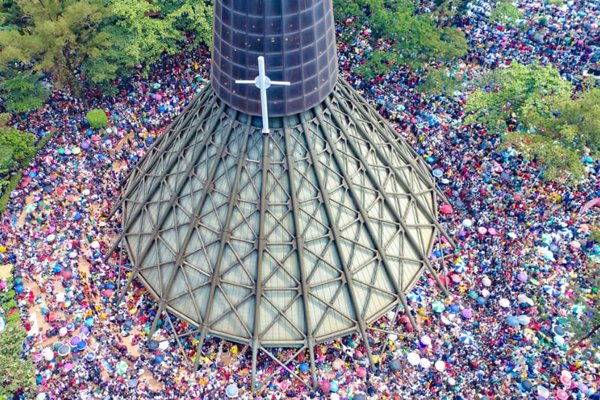
The move comes as Uganda braces for increased cross-border movement from the affected areas in eastern DRC, where authorities in Ituri province have reported hundreds of suspected Ebola cases and dozens of deaths. The annual Uganda Martyrs Day celebrations, held every June 3 at Namugongo, traditionally attract millions of pilgrims from Uganda and neighboring countries including Kenya, Tanzania, Rwanda, South Sudan, and the Democratic Republic of Congo.
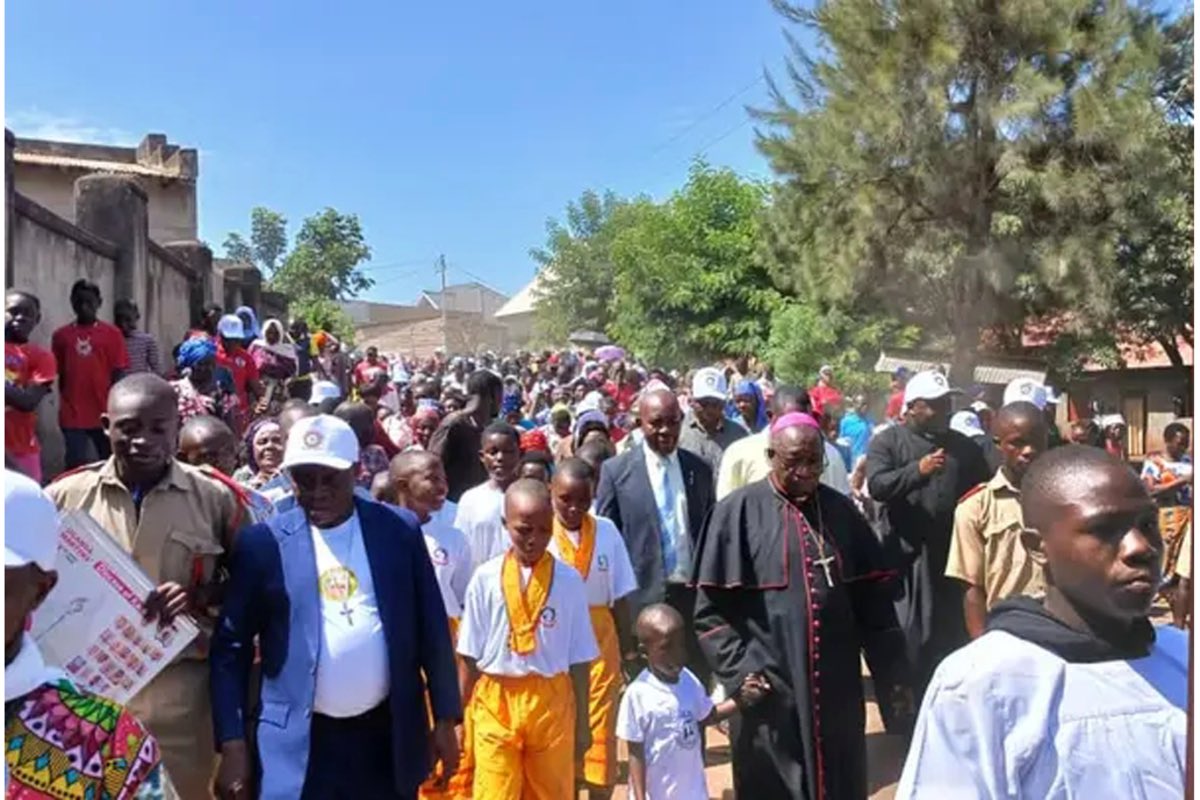
In a public statement addressed to Ugandans, particularly the youth known locally as the “Bazzukulu,” President Museveni said the decision was necessary to protect lives amid fears that mass gatherings could accelerate the spread of the deadly virus.
The President revealed that Uganda receives thousands of pilgrims every year from eastern Congo, especially from the Butembo-Beni corridor, an area closely linked to ongoing Ebola transmission concerns.
“After consultations with the national epidemic response task force and religious leaders, we have decided to postpone the Martyrs’ Day to a later date,” Museveni said.
He further urged pilgrims who had already started traveling toward Namugongo to return home and continue observing public health precautionary measures.
The postponement marks one of the most significant disruptions to Uganda’s religious calendar in recent years, underlining the seriousness with which authorities are treating the regional Ebola threat.
Fellow Ugandans, especially the Bazzukulu, greetings.
After consultations with the national epidemic response task force and religious leaders, we have decided to postpone the Martyrs’ Day to a later date, which will be communicated.
This decision was made because Uganda… pic.twitter.com/KIVbrC4vXA
— Yoweri K Museveni (@KagutaMuseveni) May 17, 2026
Health authorities have intensified monitoring following reports that the Ebola outbreak in DRC’s Ituri province had reached 246 suspected cases and 80 deaths as of May 16. The outbreak has renewed fears of cross-border transmission due to frequent movement between eastern Congo and Uganda.
The situation escalated further after the World Health Organization declared the outbreak a global health emergency only hours before Uganda announced the postponement.
Uganda has historically remained vulnerable to Ebola spillovers because of its close geographic and economic ties with eastern DRC. Border districts such as Kasese, Bundibugyo, Kisoro, and Ntoroko have previously dealt with imported Ebola cases, prompting the government to maintain rapid response surveillance systems.
Public health experts warn that large-scale religious gatherings involving international pilgrims could create conditions for widespread transmission if precautionary measures are not enforced.
Government officials have appealed to the public to remain vigilant, report suspected illnesses promptly, and cooperate with health authorities as surveillance efforts intensify nationwide.
President Museveni emphasized that safeguarding lives must remain the country’s top priority despite the inconvenience caused by postponing the celebrations.
Religious leaders are expected to continue consultations with government and health agencies before a new date for the event is announced.
As Uganda strengthens border screening and epidemic preparedness measures, the postponement highlights the growing intersection between public health security, regional mobility, and major religious events in East Africa.
The coming weeks will likely determine whether Uganda can successfully contain potential risks while preserving one of the country’s most important spiritual and cultural commemorations.