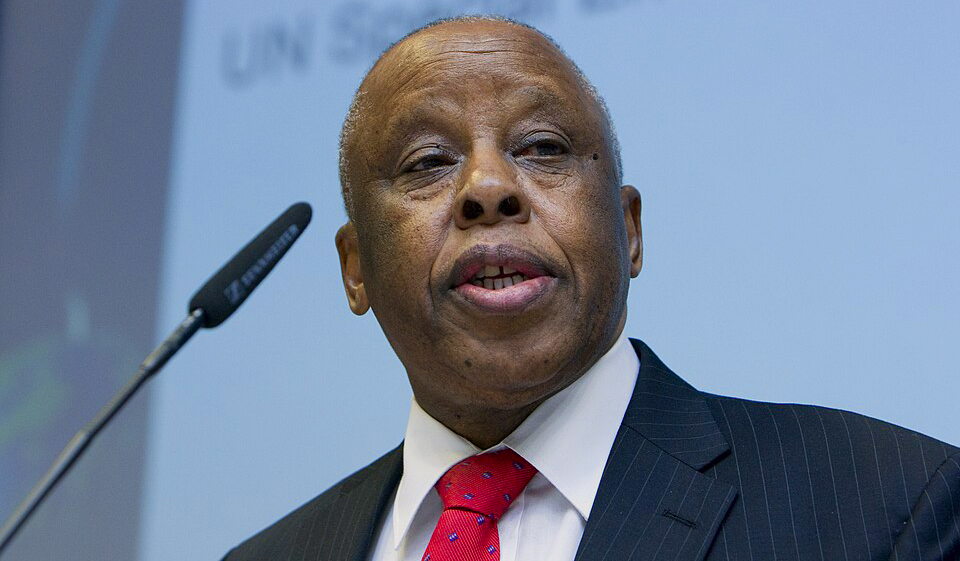
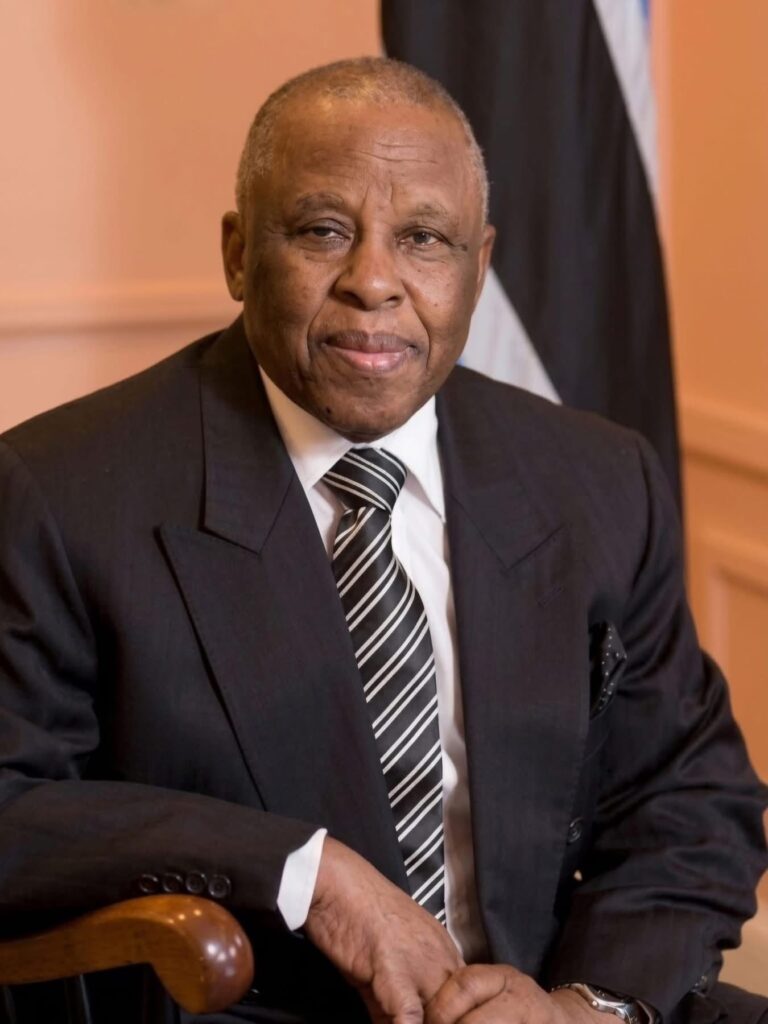
The Botswana government confirmed that Mogae passed away on May 8, 2026, in Gaborone following a recent illness. Authorities declared three days of national mourning as tributes poured in from across Africa and the international community.
President Duma Boko praised Mogae for his dedication to public service, economic leadership, and commitment to democratic governance.
From Economist to National Leader
Festus Gontebanye Mogae was born on August 21, 1939, in Serowe during the period when Botswana was still known as the Bechuanaland Protectorate.
He studied economics in the United Kingdom, attending the Universities of Oxford and Sussex before returning to Botswana to begin a long career in public service.
Mogae joined government service in 1968 as a planning officer and steadily rose through key economic and administrative positions. Over the years, he served as Director of Economic Affairs, Permanent Secretary in the Ministry of Finance, and later Minister of Finance and Development Planning.
In 1992, he became Vice President under President Quett Ketumile Masire before succeeding him as Botswana’s third president in 1998.
He later won re-election in 2004 and remained in office until 2008, when he handed over power to Ian Khama.
Leadership During Economic Growth
Mogae led Botswana during a period of strong economic performance driven largely by the country’s diamond industry.
Under his leadership, Botswana strengthened its reputation as one of Africa’s most politically stable and economically disciplined countries. His administration emphasized fiscal discipline, accountable governance, and long-term planning.
Many international observers viewed Botswana as a model for democratic governance and economic management during his presidency.
Mogae also brought international financial experience to office, having previously served as an executive director representing Anglophone African countries at the International Monetary Fund.
Leading Botswana’s HIV/AIDS Response
One of the defining challenges of Mogae’s presidency was the HIV/AIDS crisis.
At the time, Botswana had one of the highest HIV infection rates in the world. Mogae publicly declared the epidemic a national emergency and pushed for aggressive action to expand treatment and public awareness.
His government introduced one of Africa’s earliest large-scale antiretroviral treatment programs and worked closely with international partners to improve healthcare access.
The response helped lower infection and mortality rates and earned Botswana international recognition for confronting the epidemic directly.
Recognition Beyond the Presidency
After leaving office, Festus Gontebanye Mogae remained active in global development and diplomacy.
He received the Mo Ibrahim Prize for Achievement in African Leadership, an award that recognizes African leaders who demonstrate democratic leadership and leave office constitutionally.
Mogae also served in international advisory and diplomatic roles, including work related to climate change and development initiatives.
A Lasting Legacy
Across Botswana and the wider African continent, Mogae is remembered as a calm and disciplined leader who helped strengthen democratic governance and economic stability.
His leadership style focused on policy, planning, and long-term national development rather than political confrontation.
For many citizens, his presidency represented a period when Botswana continued to build its reputation as one of Africa’s most stable democracies.
The death of Festus Gontebanye Mogae marks the end of an important chapter in Botswana’s political history and closes the career of one of southern Africa’s most respected statesmen.
Also Read
Ugandan Passport Holders Can Travel to 40 Countries Without a Pre-Approved Visa