Local Elections and Devolved Votes Shape Major Political Shift
The United Kingdom held a wide set of elections on 7 May 2026, covering local councils across England, mayoral contests, and elections for the Scottish Parliament and Welsh Senedd.
Early results released on 8 May show major political movement, with Reform UK recording strong gains while Labour and the Conservatives both face significant losses in many areas.
Reform UK Emerges as Key Winner in England
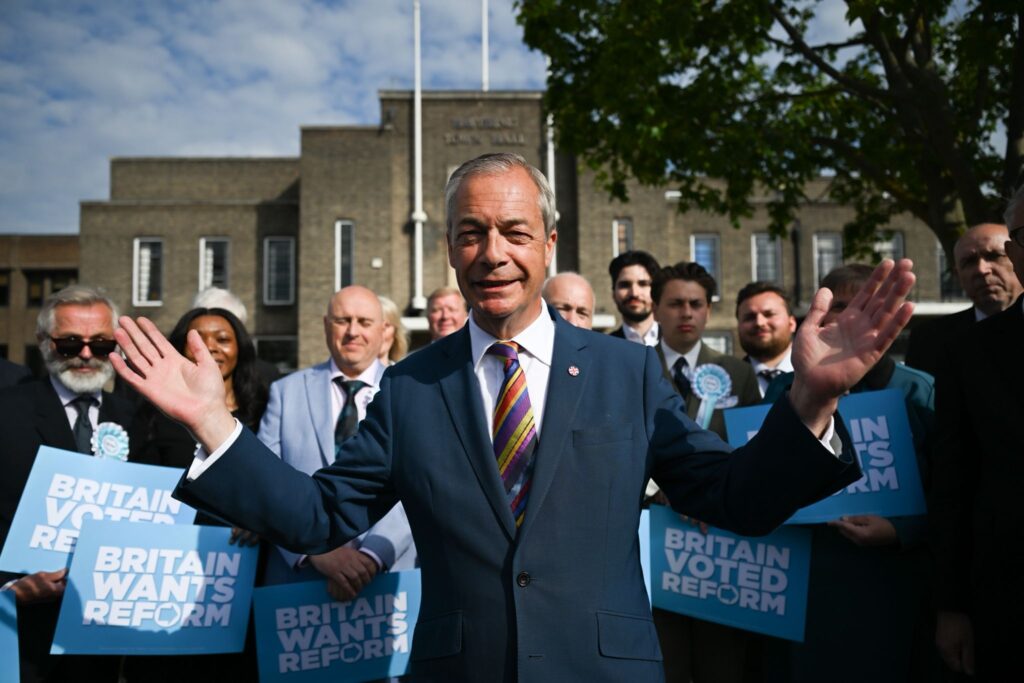
Reform UK, led by Nigel Farage, has recorded a sharp rise in local council seats. Early counts indicate hundreds of gains across England, with the party moving from a small local presence to a major force in several regions.
The party has taken seats from both Labour and Conservative areas, including traditional Labour strongholds in parts of northern England. Some councils have shifted control to Reform UK, marking a major change in local political patterns.
The results show growing support for Reform UK in communities concerned about immigration, living costs, and dissatisfaction with mainstream parties.
Labour Faces Heavy Losses After National Victory
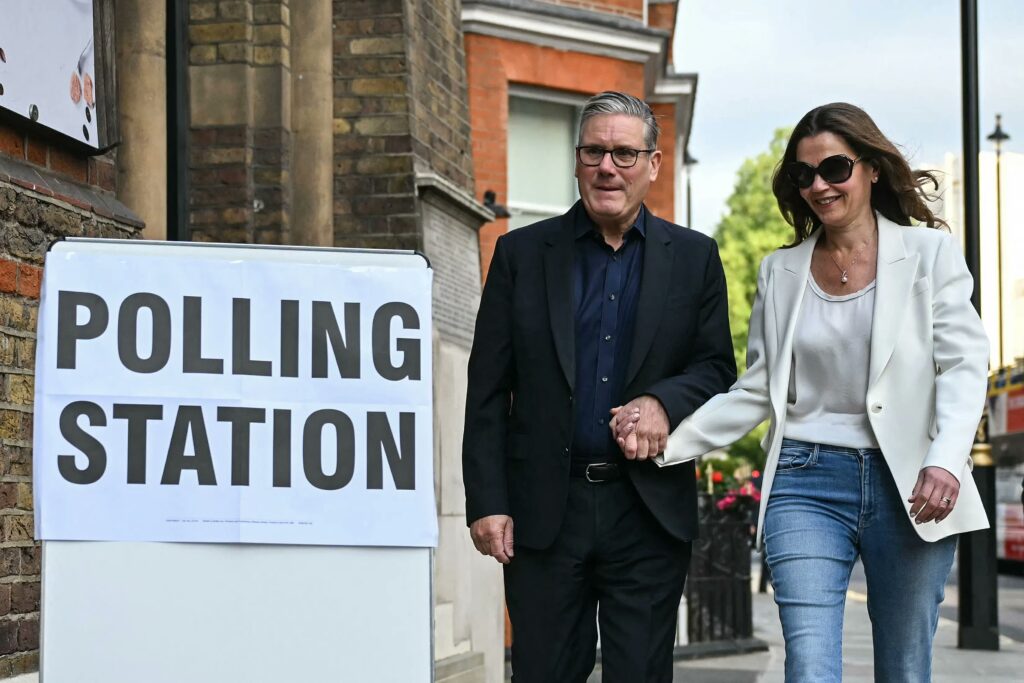
Labour, led by Keir Starmer, has suffered large seat losses across England. Early figures show losses in the hundreds, including areas the party has controlled for decades.
Several councils have moved out of Labour control, including long established strongholds. The results come less than two years after Labour formed a strong national government, raising questions about voter sentiment at local level.
Starmer has acknowledged the setbacks and said the party must respond to voter concerns without dismissing the results.
Conservatives Also Under Pressure
The Conservative Party has also recorded significant losses in council seats. The party has been squeezed from both directions, losing voters to Reform UK on the right and facing competition in some urban areas from smaller parties.
Despite the losses, the Conservatives have secured limited gains in select councils, including Westminster, but overall performance remains weaker than previous local elections.
Smaller Parties Record Gains in Key Areas
The Liberal Democrats have recorded modest gains in several councils, strengthening their position in selected constituencies.
The Green Party has also increased its presence, with gains concentrated in urban and progressive regions. Early results indicate improved performance in council representation and at least one mayoral success.
These results reflect a broader diversification of voter support across the country.
Scotland and Wales Deliver Different Political Outcomes
In Scotland, the Scottish National Party is projected to remain the largest party in the Scottish Parliament. Party leaders have described the outcome as a continued mandate despite competition from Labour and other parties.
In Wales, the Senedd election has produced a major political shift. Labour, which has dominated Welsh politics for decades, is set to lose significant ground and has indicated it will not lead the next government.
Plaid Cymru and Reform UK are performing strongly in early results, while Labour faces its weakest showing in years. The Welsh First Minister is also at risk of losing her seat based on early counts.
Political Landscape Shows Fragmentation
The overall results point to a more fragmented political environment across the United Kingdom. Both Labour and the Conservatives are losing ground while smaller parties gain influence in different regions.
Reform UK’s rise stands out as the most significant development, with the party gaining support in both former Labour and Conservative areas.
Analysts note that while these are local and devolved elections, they highlight shifting voter behavior ahead of the next general election expected by 2029.
What Comes Next
Counting continues in several areas, and final results may adjust some seat totals. However, the current trend shows clear momentum for Reform UK and increased pressure on the two main parties.
The results are likely to intensify political debate in the coming weeks as parties assess voter concerns and prepare for future national contests.
Also Read
UK Borrowing Costs Hit Highest Level Since 1998 as Energy Crisis Fuels Inflation Fears
UK Parliament Clashes Over New Immigration Rules Introduced in March 2026