Government Moves to Resolve Long-Running Land Dispute
Zimbabwe has announced plans to return 67 farms that were previously seized from European owners during the country’s land reform program launched in the early 2000s.
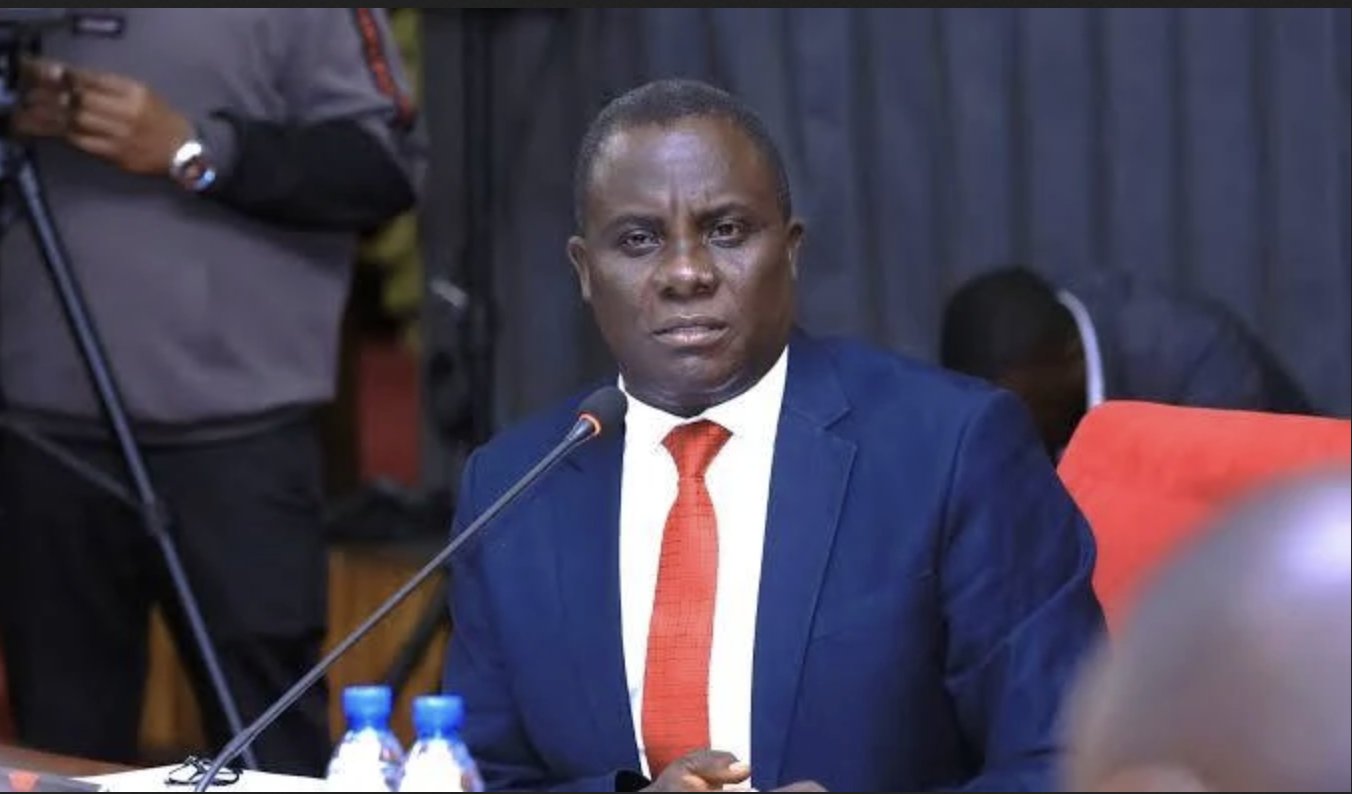
Agriculture Minister Anxious Masuka told parliament on May 7, 2026, that the properties belong to investors from Denmark, Switzerland, Germany, and the Netherlands. The farms fall under Bilateral Investment Promotion and Protection Agreements that Zimbabwe signed with several countries.
Farms Covered by International Investment Agreements
The farms being returned were protected under bilateral treaties designed to safeguard foreign investments. Officials say this legal framework requires the government to compensate or restore assets where agreements were violated.
Alongside the return of land, Zimbabwe is also paying about 146 million US dollars in compensation to affected owners, including claims linked to several European countries and former Yugoslavia.
The government says the process targets specific legal obligations and does not represent a reversal of the broader land reform policy.
Land Reform Legacy Still Shapes National Debate
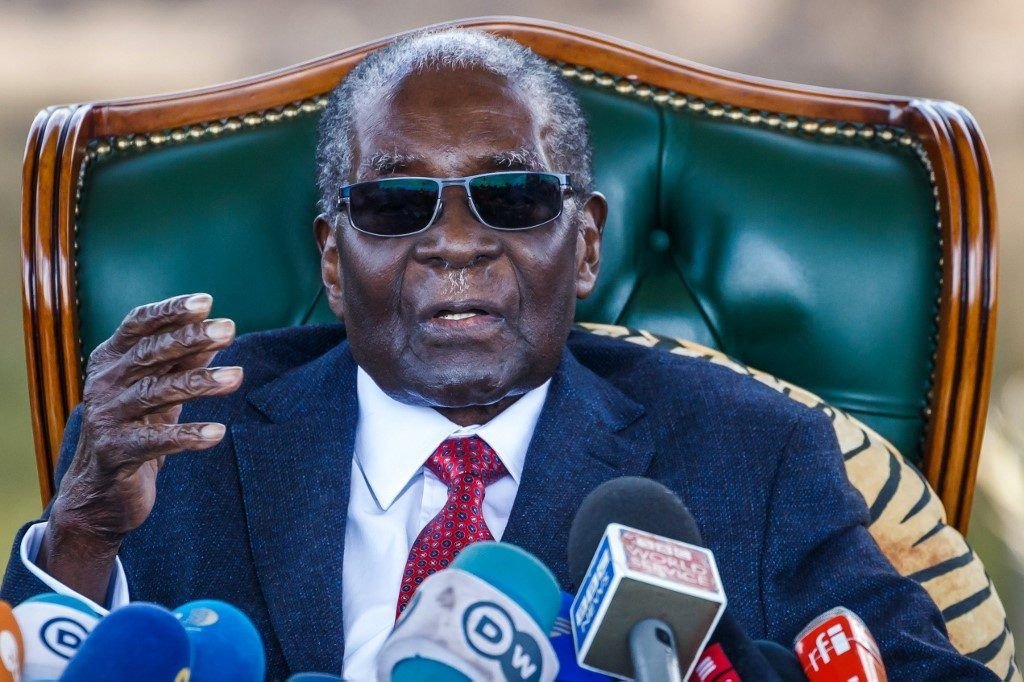
Zimbabwe’s land reform program, introduced in the early 2000s, led to the seizure of thousands of large commercial farms, many previously owned by white farmers.
The policy aimed to address historical land ownership imbalances, but it also disrupted agricultural production and contributed to economic instability over the years. Output in key farming sectors declined, while disputes over property rights continued in local and international courts.
Government Says Wider Redistribution Remains Intact
Authorities have stressed that the return of 67 farms represents only a small portion of the total land reform program.
Officials stated that hundreds of other farms remain under different arrangements. Some cases involve Black Zimbabwean farmers, while others include White farmers who are still in negotiations with the state or current land users.
The government also noted that in some situations, former owners and current occupants have reached agreements allowing shared or purchased arrangements.
Economic Recovery and Diplomatic Strategy
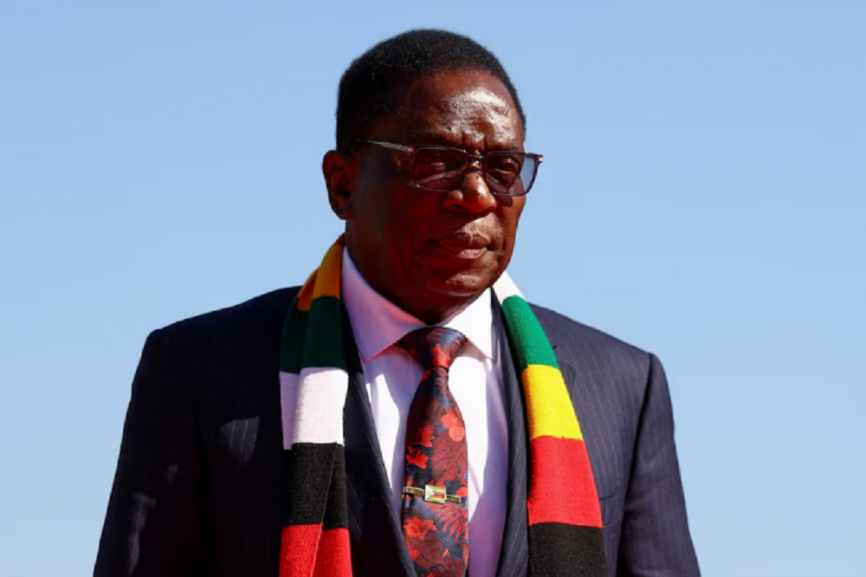
The decision forms part of President Emmerson Mnangagwa’s broader strategy to rebuild relations with Western countries and international financial institutions.
Zimbabwe continues to seek debt restructuring and financial support from global lenders. Progress on land disputes and property rights has been a key condition in discussions with creditors and development partners.
By addressing long-standing investment claims, the government aims to improve confidence in the country’s legal and economic environment and attract new foreign investment.
Mixed Reactions to the Announcement
The move has drawn divided reactions within Zimbabwe and among observers abroad. Some view it as a practical step toward stabilizing the economy and resolving long-standing legal disputes with foreign investors.
Others argue that revisiting land seizures could reopen political tensions linked to one of the most sensitive chapters in Zimbabwe’s modern history.
For affected farms, the outcome will depend on whether returning owners can resume agricultural production and how land rights are managed going forward.
Agriculture Remains Central to Recovery Plans
Agriculture continues to play a major role in Zimbabwe’s economy, supporting employment, exports, and rural livelihoods. Government efforts now focus on improving productivity, securing tenure systems, and attracting investment into the sector.
The return of the 67 farms marks a targeted policy shift aimed at resolving specific legal disputes while maintaining the broader structure of land redistribution.
Also Read
UK Borrowing Costs Hit Highest Level Since 1998 as Energy Crisis Fuels Inflation Fears
UK Parliament Clashes Over New Immigration Rules Introduced in March 2026