New SGR link promises faster trade routes and shifts regional travel dynamics
Tanzania and Rwanda are advancing plans for the Isaka–Kigali Standard Gauge Railway, part of a wider effort to strengthen the Central Corridor. The electrified line will connect inland regions to the port of Dar es Salaam, offering a direct route for both cargo and passengers.
The project forms part of Tanzania’s broader railway expansion, which aims to link several landlocked countries to the coast through a modern rail network.
Current Progress on Tanzania’s SGR Network
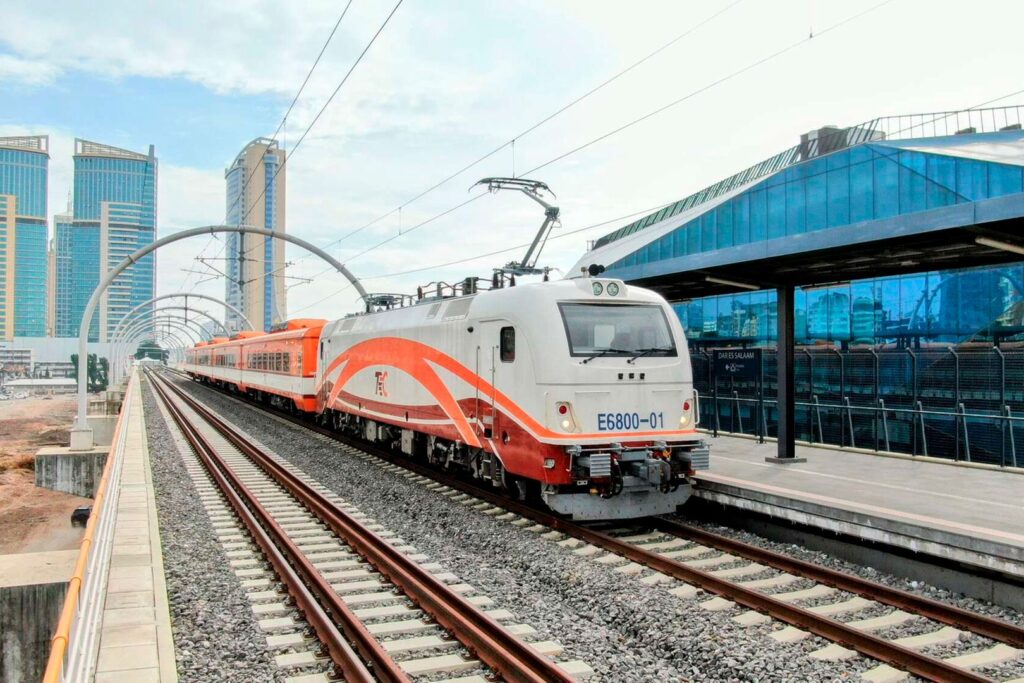
Tanzania has already made visible progress on its Standard Gauge Railway. Passenger services between Dar es Salaam and Dodoma are operational, with electric trains reaching speeds of up to 160 kilometers per hour.
Construction continues on sections heading west toward Isaka, including key stretches between Makutopora, Tabora, and Isaka. These segments are at different stages of completion, but they form the backbone of the planned extension into Rwanda.
The cross-border Isaka–Kigali section remains in the planning and financing phase. Feasibility studies have been completed, though construction has yet to begin in full.
Strengthening the Central Corridor
Once complete, the railway will give Rwanda a direct rail connection to Dar es Salaam. This reduces reliance on road transport and cuts the number of logistical steps required to move goods. The corridor will compete directly with the Northern Corridor, which runs through Kenya to the port of Mombasa.
Rail transport is expected to lower freight costs and shorten delivery times. For businesses, this creates a more predictable supply chain and opens new opportunities for trade across the region.
Impact on Trade and Logistics
The railway is designed with freight as a priority. It will support bulk transport of goods such as fuel, agricultural products, and construction materials. Lower transport costs could make exports more competitive and reduce the price of imports in landlocked countries.
The link also supports multimodal transport systems. Goods can move from sea to rail and then to road or air, especially with planned infrastructure like Bugesera Airport. This integration improves efficiency across supply chains.

Passenger Travel and Tourism Opportunities
Beyond cargo, the SGR will improve passenger travel across East Africa. Faster and more reliable trains will connect cities and towns, making cross-border movement easier for business and leisure.
For travelers, this opens up new routes that combine inland destinations with coastal experiences. Journeys linking Rwanda or western Tanzania to Dar es Salaam can connect onward to Zanzibar, a popular destination for beach tourism.
Ugandan travelers may also benefit in the long term if regional rail links expand. A connected network could provide alternative routes to the coast, offering more affordable and flexible travel options.
Regional Competition and Cooperation
The Central Corridor’s progress has drawn comparisons with the Northern Corridor railway projects. While Kenya’s SGR operates between Mombasa and Nairobi, extensions toward Uganda have faced delays linked to financing and coordination.
The Tanzania–Rwanda partnership reflects a more focused bilateral approach. It signals a shift toward securing independent trade routes rather than waiting for broader regional alignment.
At the same time, both corridors serve a shared goal of improving connectivity. If linked in the future, they could create a more resilient regional transport network.
Challenges and Uncertainty
Despite the progress, several challenges remain. Financing for the cross-border section must be secured, and construction in Rwanda will involve complex terrain. Timelines may shift as negotiations and technical planning continue.
The full benefits for neighboring countries will also depend on how well different rail systems connect and how efficiently goods move across borders.
A Changing Transport Map
The Isaka–Kigali railway highlights a shift in East Africa’s transport priorities. Countries are investing in infrastructure that reduces costs and improves access to global markets.
As the Central Corridor develops, it will reshape trade routes and influence how goods and people move across the region. For businesses, travelers, and governments, the outcome will define the next phase of regional integration.
Also Read
Uganda Faces Revenue Pressure as Kenya Builds Direct Trade Route to South Sudan