Studies show weight regain and loss of benefits are common after stopping GLP-1 medications
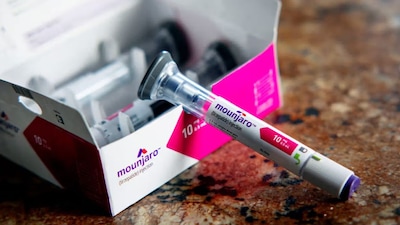
Medications like Ozempic and Mounjaro have changed how doctors treat Type 2 Diabetes and obesity. They help control blood sugar and reduce appetite, often leading to significant weight loss during treatment.
A key question remains for many patients. What happens when the medication stops?
Recent studies offer a clear answer. Most people regain weight, often faster than expected, and many of the health benefits begin to fade.
Weight Regain Happens for Most People
Clinical research shows that stopping these medications often leads to weight regain. The body returns to its usual appetite patterns once the drug leaves the system.
In one major trial involving semaglutide, participants regained about two thirds of their lost weight within a year after stopping. Research on tirzepatide shows a similar trend, with many patients gaining back a large portion of the weight they had lost during treatment.
A broader review of multiple studies found that people regain weight steadily over time after stopping, with many returning close to their starting weight within one to two years.
Appetite and Hunger Return Quickly
The reason for this pattern lies in how the drugs work. Both medications mimic hormones that control hunger and fullness. When treatment ends, those signals fade.
Many people report a noticeable increase in appetite within weeks. Feelings of fullness reduce, and eating patterns often shift back to previous habits. This change can happen quickly, making weight regain difficult to avoid without support.
Health Benefits Can Reverse
Weight is not the only concern. Improvements in blood sugar, blood pressure, and cholesterol often decline after stopping treatment.
People living with Type 2 Diabetes may see their glucose levels rise again. Other markers linked to heart health can also move back toward earlier levels, especially if weight regain is significant.
Some studies suggest that long term cardiovascular protection may weaken after discontinuation, increasing health risks over time.
Real World Results Show More Variation
While clinical trials show clear patterns, real world outcomes differ. Some people maintain weight loss or even continue to lose weight after stopping medication.
This usually happens when individuals adopt long term lifestyle changes or restart treatment. In some cases, patients switch to alternative therapies or continue structured nutrition and exercise programs.
The difference highlights the role of ongoing support and habits after stopping medication.
Body Composition and Other Changes
During treatment, weight loss includes both fat and muscle. After stopping, it is not always clear whether regained weight restores the same balance.
Side effects such as nausea typically disappear once the medication is discontinued. Appetite changes, however, remain the most noticeable shift for most users.
A Long Term Treatment Approach
Experts now view obesity and Type 2 Diabetes as long term conditions that require ongoing management. These medications are effective tools, but they do not provide a permanent solution on their own.
For many patients, continued use may be necessary to maintain results. Others may succeed by combining short term medication use with strong lifestyle changes.
Strategies such as gradual dose reduction, nutrition planning, and strength training can help reduce the risk of rapid weight regain, though results vary from person to person.
What Patients Should Consider
Deciding whether to stop treatment depends on individual health goals and medical advice. Factors such as cost, side effects, and long term plans all play a role.
Doctors often recommend viewing these medications as part of a broader plan rather than a temporary fix. Ongoing monitoring and support can make a significant difference in long term outcomes.
Ongoing Research Continues
Studies continue to track what happens after patients stop these drugs, especially beyond the first year. Early findings show consistent patterns, but long term data is still developing.
For now, the evidence suggests that stopping Ozempic or Mounjaro often leads to increased hunger, weight regain, and reduced health benefits. Outcomes improve when patients plan ahead and stay engaged in long term care.
Also Read
China Emerges as a Global Medical Tourism Powerhouse with Rapid Growth and Advanced Care
UK Moves to Create a Smoke-Free Generation with Landmark Tobacco Ban