New Yaobai clinker facility set to cut imports and boost Uganda’s manufacturing capacity
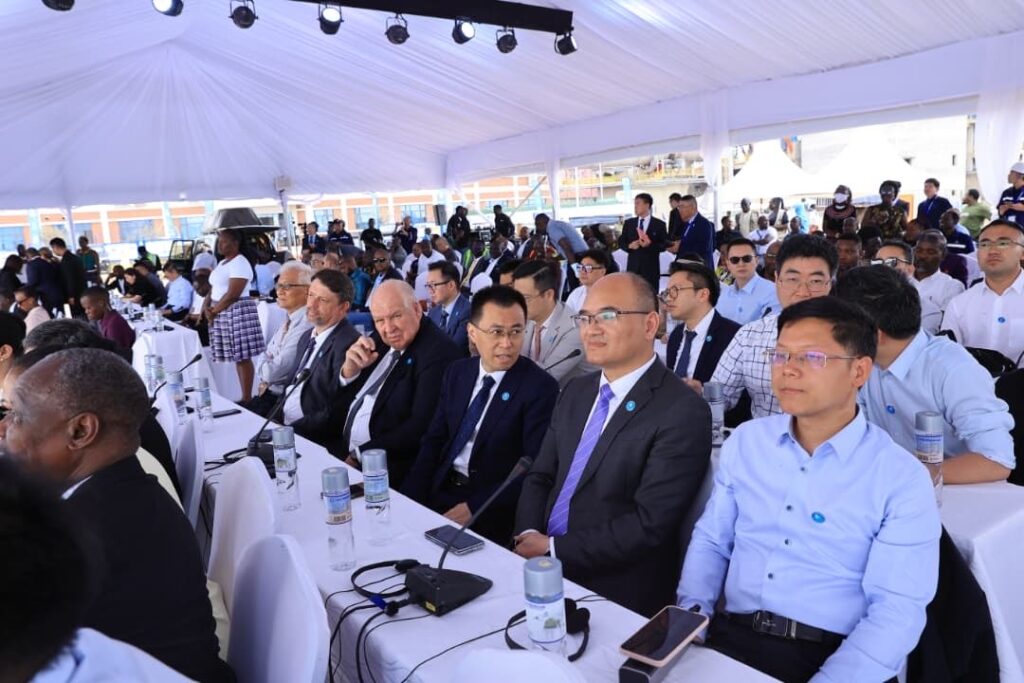
Yoweri Kaguta Museveni has commissioned a major industrial project in Moroto District, unveiling the $300 million Yaobai clinker cement production line in Nadunget. The launch, held on April 24, 2026, signals the start of Phase One of the Yaobai Cement Uganda project and marks one of the largest manufacturing investments in the Karamoja sub-region.
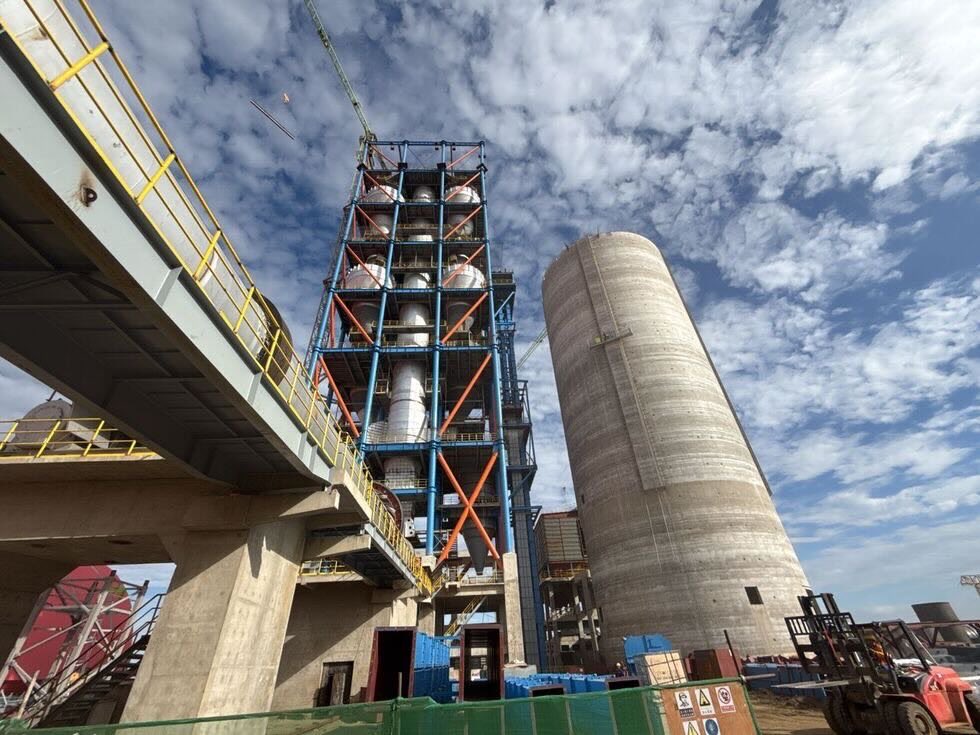
The facility introduces a 6,000 tonnes per day clinker production line, placing it among the largest single-line cement plants in East Africa. Once fully operational, it is expected to produce about 2.2 million tonnes of clinker annually, forming the foundation for large-scale cement production within Uganda.
A Strategic Shift in Cement Production
The Nadunget plant focuses on clinker, a key material used in cement manufacturing. Uganda has long relied on imported clinker to meet domestic demand, a dependence that has placed pressure on foreign exchange reserves. Local production at this scale aims to reverse that trend by supplying the raw material directly from within the country.
The plant operates as an integrated facility, drawing on limestone and other raw materials found in the Karamoja region. These natural resources provide the base for producing clinker, which can then be processed into cement using additives such as gypsum and pozzolana. This setup strengthens the country’s ability to manage its construction supply chain without relying heavily on imports.
Officials view the project as a step toward building a more self-sufficient industrial base. By producing clinker locally, Uganda reduces exposure to external price fluctuations and supply disruptions that have previously affected the sector.
Economic Impact and Job Creation
The Yaobai project is expected to create a wide range of economic opportunities. Direct employment at the plant will support hundreds of workers, while indirect jobs will emerge across transport, mining, and auxiliary services linked to the facility.
The presence of such a large industrial operation in Karamoja is likely to stimulate further development in the region. Improved road networks, energy infrastructure, and service industries often follow projects of this scale. This could shift the economic profile of Karamoja, which has historically faced challenges related to limited infrastructure and investment.
Foreign exchange savings stand out as another key benefit. By reducing the need to import clinker, Uganda can retain more of its currency within the local economy. This helps stabilize the balance of payments and supports broader economic planning.
The construction sector is also expected to benefit. Increased availability of locally produced cement can support ongoing infrastructure projects, including roads, housing developments, and energy investments. Lower input costs could make construction more accessible and accelerate development across multiple sectors.
Karamoja’s Emerging Industrial Role
The commissioning of the Nadunget plant reflects a broader change in the Karamoja sub-region. Long associated with pastoral livelihoods and periods of insecurity, the region is now attracting attention as a site for industrial growth. The availability of mineral resources, particularly limestone, has created new opportunities for investment.
Government officials have emphasized the importance of using local resources to generate value within the country. The Yaobai plant aligns with this approach by turning raw materials into finished or semi-finished products that support national development.
President Museveni highlighted the role of such projects in creating jobs and expanding the tax base. He also pointed to the importance of involving local communities, including the Karimojong, in the economic activities generated by the plant.
From Groundbreaking to Commissioning
The project has moved quickly from planning to execution. Initial groundwork began around 2023, when the same site hosted a groundbreaking ceremony led by the president. Construction progressed over the following years, leading to the commissioning of the first production line in 2026.
The investment involves international backing, with links to Chinese industrial groups associated with Yaobai International Holding and related entities. While discussions around branding and local identity emerged during the early stages, the focus has remained on the economic value the plant brings.
Phase One represents the starting point of a broader plan. Future expansion could see the facility move toward full cement production, integrating all stages from raw material extraction to finished products. This would increase efficiency and deepen local participation in the manufacturing process.
The launch of the Yaobai clinker plant marks a clear step in Uganda’s industrial growth strategy. It demonstrates how targeted investment in resource-rich regions can shift economic activity and create new centers of production.
As operations begin, attention will turn to output levels, supply chains, and the plant’s ability to meet domestic demand. The success of the project could encourage similar investments in other parts of the country, particularly where natural resources support manufacturing.
For Karamoja, the development represents a turning point. The region now hosts one of East Africa’s largest cement production facilities, positioning it as a contributor to national growth rather than a peripheral area.
The commissioning sets the stage for a new phase in Uganda’s manufacturing sector, with local production playing a larger role in meeting demand and supporting long-term economic stability.
Also Read
Dangote Backs Museveni’s Mineral Policy and Pledges East Africa Refinery Project
Uganda Plans to Launch Two New Satellites for Security and Broadcasting – Museveni