
Safe sex could soon come at a higher cost. The world’s largest condom manufacturer, Karex Bhd, has issued a warning that prices are set to rise sharply in the coming months, citing ongoing geopolitical tensions and supply chain disruptions linked to the Iran war.
The Malaysia-based company, responsible for producing more than 5 billion condoms annually, says it will increase prices by between 20% and 30%, with the possibility of further hikes if current conditions persist. Given that Karex manufactures roughly one in every five condoms used globally, the impact is expected to be widespread.
Supply Chain Chaos at the Center of the Crisis
At the heart of the issue lies the strategic Strait of Hormuz, a vital artery for global trade. Ongoing conflict in the region has disrupted the flow of oil, petrochemicals, and shipping routes, sending shockwaves through industries that rely heavily on these resources.
For Karex, the consequences have been immediate and severe. The company has reported steep increases in the cost of essential materials, including synthetic rubber, nitrile, aluminum foil packaging, silicone lubricants, and energy. In some cases, prices have surged by as much as 25% to 30%, while others, such as nitrile, have reportedly doubled.
Shipping delays have compounded the problem, leaving distributors with shrinking inventories just as global demand for condoms rises. The company estimates that demand has increased by around 30% amid growing uncertainty worldwide.
“No Choice but to Raise Prices”
Speaking on April 21, 2026, Karex CEO Goh Miah Kiat did not downplay the severity of the situation. He described current market conditions as “very fragile,” emphasizing that the company has little option but to pass rising costs on to consumers.
According to him, the price adjustments are not optional but necessary to sustain operations under mounting pressure from raw material costs and logistical challenges.
A Hidden Giant Behind Global Brands
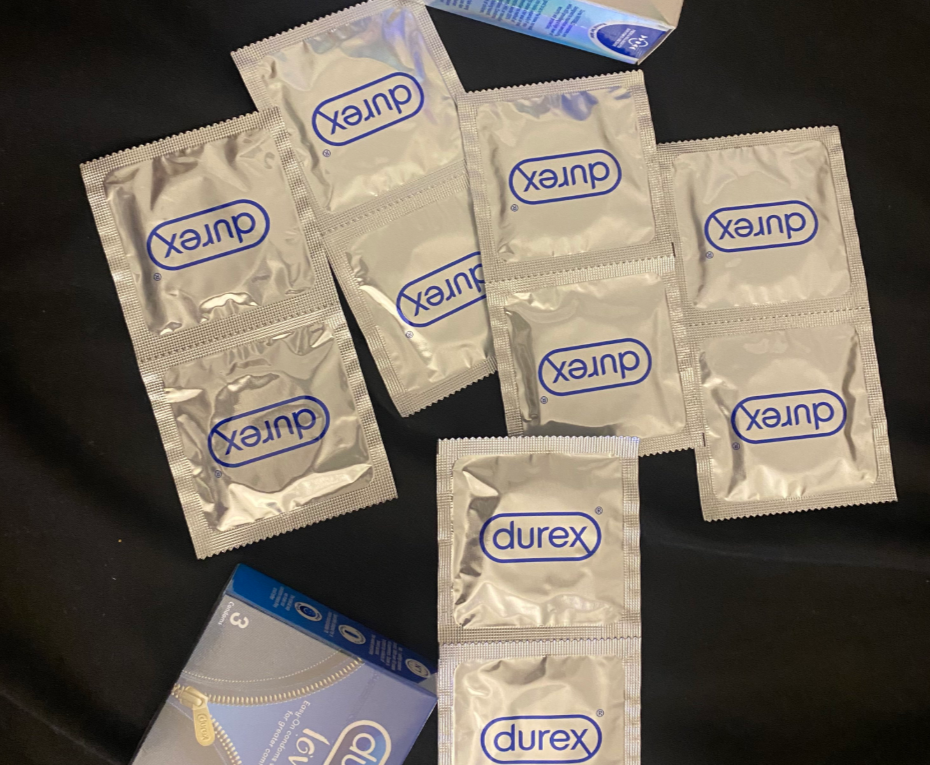
While Karex may not be a household name, its reach is extensive. The company supplies condoms to some of the most recognizable brands and institutions worldwide, including Durex and Trojan, as well as public health systems like the National Health Service and international aid programs.
With distribution spanning more than 130 countries, any pricing shift at Karex is almost guaranteed to ripple across global markets.
More Than Just Condoms: A Global Economic Ripple Effect
This development underscores how deeply interconnected today’s global economy has become. A conflict in one region can quickly cascade into industries far removed from its origin.
In this case, disruptions in oil and petrochemical supply chains are affecting not only fuel prices but also plastics, packaging, and essential health products. Karex is not alone in raising concerns, with other manufacturers, including those in the medical glove sector, signaling similar cost pressures.
Online Reactions Mix Humor with चिंता
Unsurprisingly, the news has triggered a wave of reactions online. Social media has been flooded with jokes about “expensive protection,” predictions of a potential baby boom, and commentary on how global crises inevitably reach into everyday life.
Yet beneath the humor lies a serious point. Rising costs in essential goods often signal deeper structural issues, particularly when driven by prolonged geopolitical instability.
For consumers, the effects may soon become visible at the checkout counter. Prices for major brands and store-label condoms are expected to rise in the coming weeks and months.
Karex has indicated it currently holds some buffer stock, which may delay immediate increases. However, if supply disruptions continue, further price hikes remain a strong possibility.
Those who rely on regular purchases may want to plan ahead, as affordability and accessibility could become growing concerns.
A Reminder of a Fragile Global System
Ultimately, this situation serves as another reminder of how vulnerable global supply chains remain. Even products as universal and essential as condoms are not immune to the pressures of war and economic disruption.
In 2026, the ripple effects of conflict are no longer confined to headlines. They are increasingly showing up in everyday purchases, reshaping the cost of living in unexpected ways.
Also Read
How Global Wars Are Accelerating Electric Vehicle Adoption in the UK
Pope Leo XIV’s Strong Anti-War Message Gains Urgency Amid Global Conflicts