A Political Earthquake in Hungary
Hungary’s parliamentary elections on April 12, 2026, delivered a stunning and historic outcome, bringing an end to the long rule of Viktor Orbán. After more than a decade and a half of political dominance, Orbán conceded defeat to challenger Péter Magyar and his center-right Tisza Party.
The result, widely described as a landslide, marks one of the most significant political shifts in Central Europe in recent decades and signals a decisive break from the status quo.
The End of a Defining Era
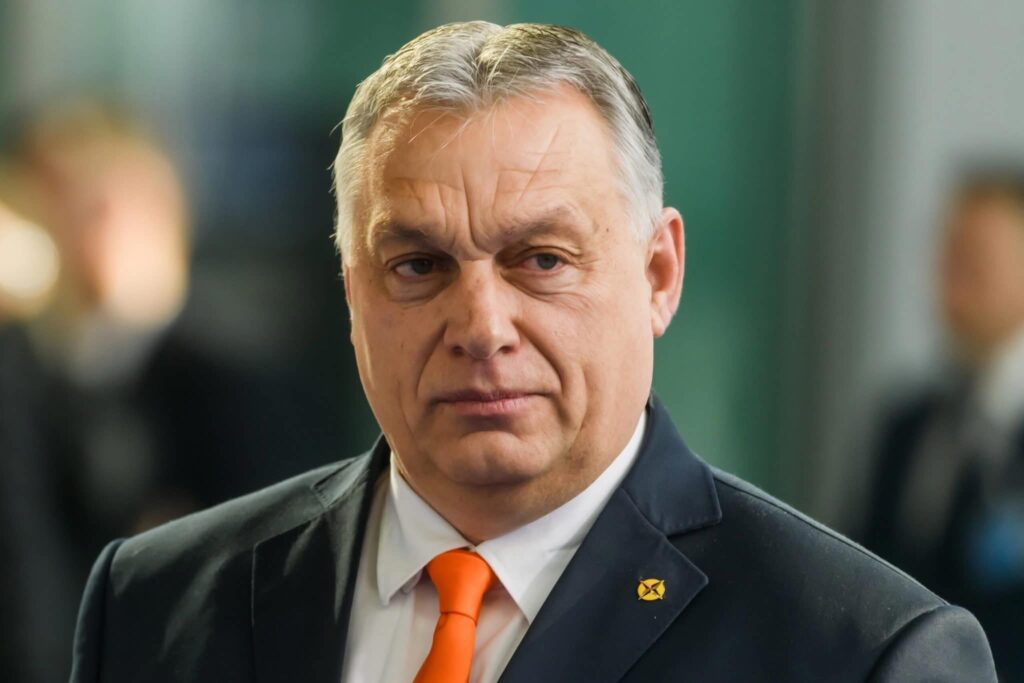
Orbán’s leadership, anchored by the Fidesz–KDNP alliance, had shaped Hungary’s political landscape for 16 consecutive years. Over that time, he built a system often characterized as an “illiberal democracy,” emphasizing national sovereignty, strict immigration policies, and resistance to certain European Union directives.
Supporters credited him with preserving Hungarian identity and maintaining stability during turbulent periods in Europe. Critics, however, accused his government of weakening democratic institutions, consolidating media control, and fostering entrenched patronage networks.
Despite maintaining strong alliances with global figures such as Donald J. Trump and Vladimir Putin, Orbán faced growing domestic dissatisfaction. Record voter turnout, estimated at close to 80 percent, underscored a highly energized electorate eager for change.
The Rise of Péter Magyar
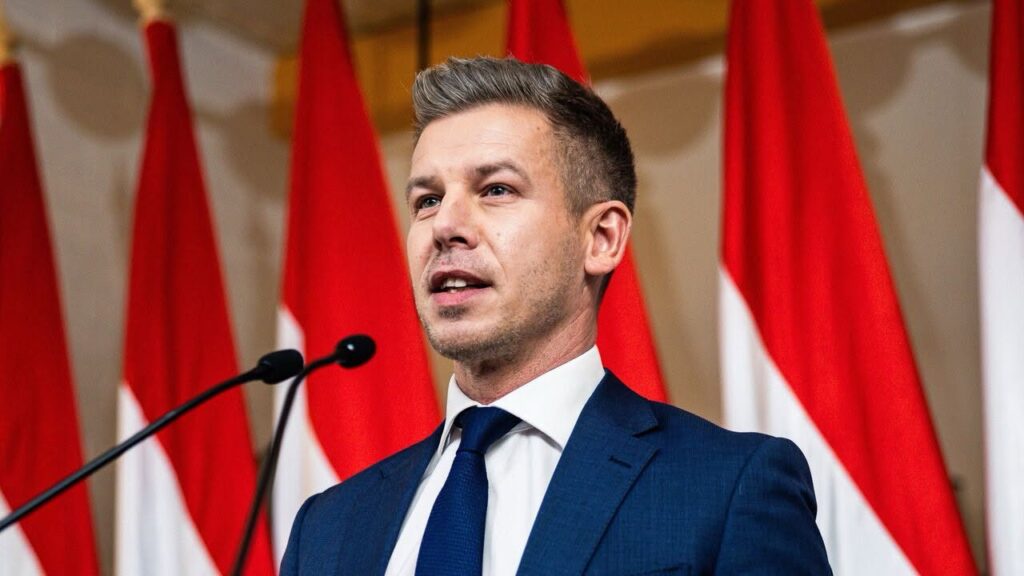
At the center of the opposition surge was Péter Magyar, a former insider who broke ranks with the ruling establishment and emerged as a compelling alternative. Leading the Tisza Party, Magyar positioned himself as a conservative reformer rather than a radical disruptor.
Preliminary results showed Tisza capturing roughly 53 percent of the vote, far ahead of Fidesz’s 37 percent. The outcome is expected to translate into a two-thirds supermajority in Hungary’s 199-seat National Assembly, giving the new government sweeping legislative authority.
In his victory speech, Magyar framed the result as a moment of national renewal, emphasizing a commitment to restoring institutional balance, strengthening ties with the European Union, and unlocking frozen EU funds. Celebrations in Budapest reflected this sentiment, with crowds openly expressing support for a more European-aligned future.
Why Voters Chose Change
The election result did not emerge in isolation. It reflected a convergence of political, economic, and social factors that gradually eroded the ruling party’s grip on power.
After 16 years of uninterrupted leadership, voter fatigue played a significant role. Magyar’s appeal as a reform-minded figure from within the system helped attract disillusioned supporters who had previously backed Fidesz.
Economic pressures, including inflation and concerns over corruption, further weakened the government’s standing. Tensions with the European Union, which had led to withheld funds and diplomatic friction, also became a central campaign issue.
The exceptionally high turnout amplified these dynamics, as large-scale voter participation often favors opposition movements seeking change.
A Shift Felt Beyond Hungary
The implications of the election extend far beyond Hungary’s borders. Across Europe, the result has been interpreted as a potential turning point in the balance between nationalist and pro-integration forces.
Leaders within the European Union welcomed the outcome as a positive signal for democratic renewal and closer cooperation. Ukrainian President Volodymyr Zelenskyy and other pro-European figures also reacted positively, seeing an opportunity for stronger alignment on regional issues.
At the same time, some voices expressed concern that Orbán’s defeat could weaken a key advocate for national sovereignty within the EU framework.
What Comes Next for Hungary
With a supermajority in parliament, Magyar’s incoming government is expected to move quickly on reforms, particularly in the judiciary, media landscape, and anti-corruption efforts. These changes are likely aimed at restoring confidence both domestically and within the European Union.
However, Hungary’s conservative social fabric suggests that not all policies will shift dramatically. Positions on migration and family values, which have broad public support, may see continuity even under new leadership.
In foreign policy, Hungary could adopt a more cooperative stance with the EU and increase its support for Ukraine, though core national interests are expected to remain a guiding factor.
Orbán’s Future and Lasting Influence
Following his defeat, Viktor Orbán acknowledged the result as “painful but clear” and congratulated his opponent, signaling a smooth transition of power. At 62, he has pledged to remain active in Hungarian politics, now from the opposition benches.
Given his long and resilient political career, it remains uncertain whether this marks a permanent exit from influence or simply another chapter in his political journey.
A Defining Moment for Democracy
The 2026 election represents a decisive moment in Hungary’s democratic history. It reflects a clear choice by voters to move away from long-term incumbency and toward a new political direction.
While the so-called “Orbán era” has come to an end for now, the debates he championed around sovereignty, identity, and Europe’s future are far from over. Instead, they are likely to evolve under new leadership as Hungary begins a new chapter on the European stage.
Also Read
Trump Launches Scathing Attack on Pope Leo XIV in Explosive Truth Social Post