Islamabad to Host Critical US-Iran Negotiations
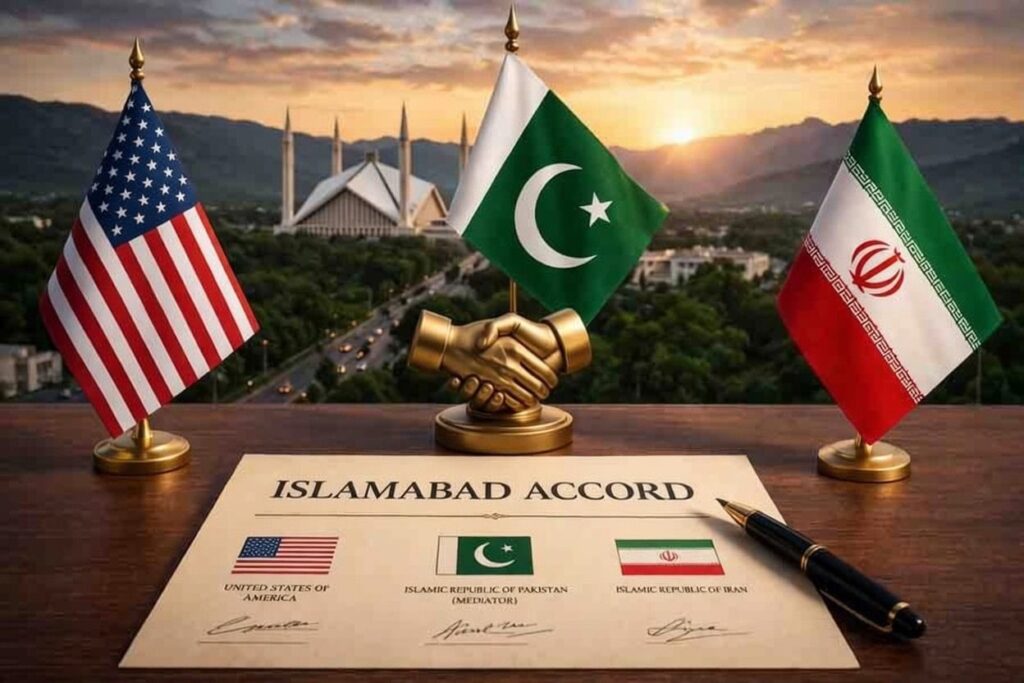
The United States and Iran are set to hold direct peace talks in Islamabad, Pakistan, in a significant diplomatic development aimed at stabilizing the Middle East following weeks of conflict. The negotiations are scheduled for Saturday, with some preparatory sessions expected to begin between April 10 and 11, 2026, under Pakistan’s mediation.
Pakistan’s Prime Minister Shehbaz Sharif extended the invitation, positioning Islamabad as a neutral ground for dialogue after the recently announced two week ceasefire between the United States, Israel, and Iran. The talks are seen as a major attempt to turn a fragile truce into a more durable peace framework after weeks of military escalation and regional tension.
Rare Direct Engagement Since 1979
The Islamabad meeting represents one of the highest level direct engagements between Washington and Tehran since the Iranian Revolution of 1979, which reshaped relations between the two countries and led to decades of diplomatic hostility.
The talks aim to address core issues fueling the conflict, including Iran’s nuclear program, US sanctions, freedom of navigation through the Strait of Hormuz, and broader regional security concerns. Both sides are expected to present competing proposals, with Iran pushing for sanctions relief and regional security guarantees, while the United States focuses on nuclear restrictions and secure global shipping routes.
US Delegation Led by Vice President JD Vance
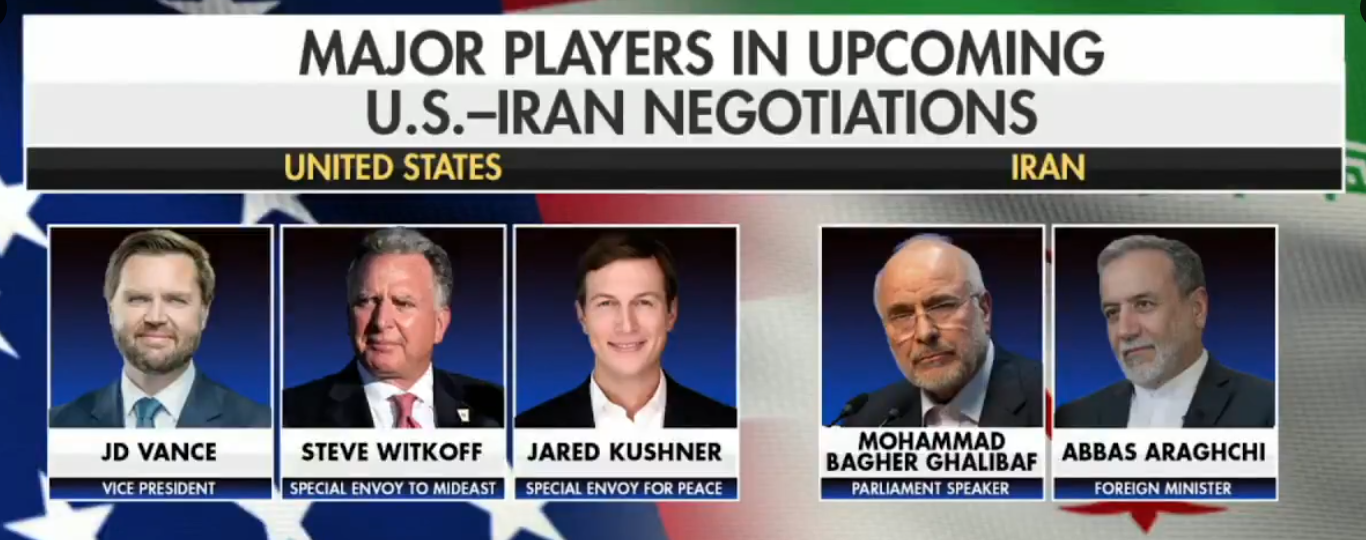
The American delegation will be led by U.S. Vice President JD Vance, signaling the importance Washington places on the negotiations and the urgency from the administration of Donald Trump.
Vance is expected to bring strong political authority to the table, emphasizing the need for rapid progress and warning that Iran must negotiate in good faith to avoid further economic and diplomatic pressure.
He will be joined by key figures close to Trump, including special envoy Steve Witkoff and former senior advisor Jared Kushner. Witkoff is known for his deal making approach in Middle East diplomacy, while Kushner brings experience from previous regional negotiations, including the Abraham Accords.
The US team reflects a mix of political leadership and trusted negotiators focused on reaching a workable agreement.
Iran Sends Senior Political and Diplomatic Leaders
Iran’s delegation will be led by Parliament Speaker Mohammad Bagher Ghalibaf, a senior conservative figure with strong ties to Iran’s leadership and the Islamic Revolutionary Guard Corps.
He will be accompanied by Foreign Minister Abbas Araghchi, a seasoned diplomat who has previously led nuclear and sanctions negotiations in Oman and Geneva. Araghchi has repeatedly emphasized that the United States must respect ceasefire terms and demonstrate genuine commitment to diplomacy.
The composition of Iran’s team signals cautious but serious engagement, with high level decision makers directly involved in the talks.
Key Issues on the Negotiation Table
The Islamabad talks are expected to focus on several sensitive and complex issues that have fueled tensions between the two countries for years.
Iran is expected to push for the lifting of US sanctions, security guarantees, and recognition of its regional interests, while the United States is likely to demand limits on Iran’s nuclear enrichment and assurances on the safety of international shipping and regional stability.
Other major topics include reducing regional proxy conflicts, ensuring stability in strategic waterways, and preventing future military confrontations. Both sides are also expected to discuss mechanisms to verify compliance with any future agreement.
These issues have historically proven difficult to resolve, making the Islamabad talks a challenging diplomatic test.
Pakistan’s Role as Neutral Mediator
Pakistan’s involvement as host and mediator adds a new dimension to the negotiations. Islamabad has positioned itself as a neutral diplomatic platform, with support from regional and global actors including Saudi Arabia, China, Turkey, Qatar, and Egypt.
The choice of Islamabad reflects an effort to create a balanced environment where both sides can negotiate without the pressure associated with traditional Western or Middle Eastern venues such as Oman or Geneva.
Pakistan’s diplomatic initiative is being viewed as an attempt to strengthen regional stability and prevent further escalation.
High Stakes for Regional Stability
The Islamabad meeting comes at a time when tensions remain high despite the ceasefire. Earlier rounds of negotiations in other locations failed due to mutual accusations of bad faith and continued military activity.
Iran has expressed concerns over past negotiations coinciding with military strikes, while the United States insists on verifiable commitments before easing sanctions or reducing pressure. This deep mistrust makes the upcoming talks particularly sensitive.
If successful, the negotiations could reduce the risk of a wider regional war and stabilize global energy markets. If they fail, the region could quickly return to military escalation.
A Critical Moment for Diplomacy
The presence of senior leaders from both sides highlights the seriousness of the talks and the urgency of finding a diplomatic solution. With the US Vice President and Iran’s parliamentary speaker leading their respective delegations, the Islamabad meeting is shaping up to be one of the most important diplomatic efforts in recent years.
For now, both sides are expressing cautious optimism while preparing for tough negotiations. The outcome of the talks will likely determine whether the fragile ceasefire evolves into lasting peace or becomes another missed opportunity in the long history of US Iran tensions.
Also Read
Trump Announces Two-Week Ceasefire With Iran After Pakistan’s Last-Minute Mediation
Israel Reportedly Plans Special Peace Prize for Donald Trump Amid Strong Ties with Netanyahu