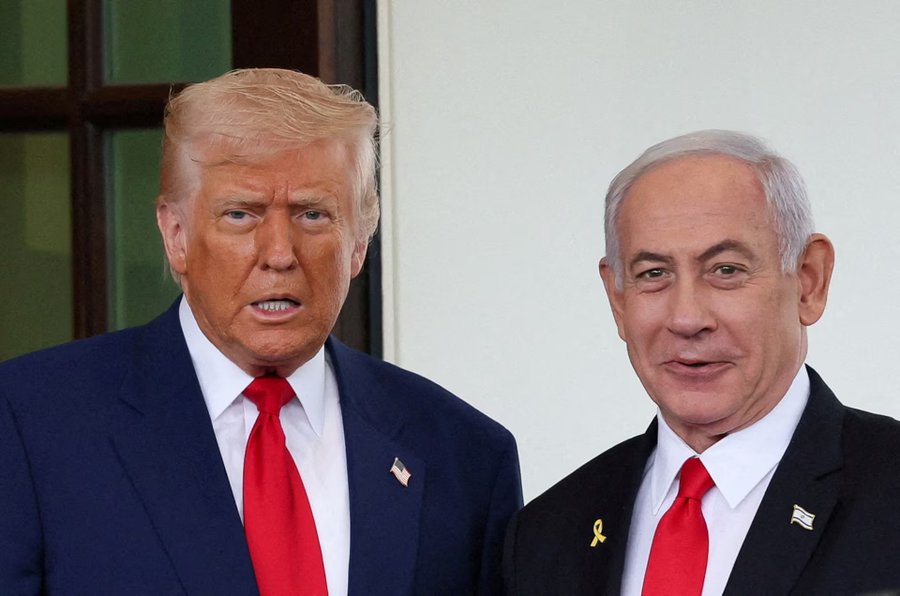
Israel is reportedly considering awarding U.S. President Donald Trump a special “Israel Peace Prize,” often linked to the country’s highest civilian honor, the Israel Prize, during one of his upcoming visits.
The development, widely shared on social media and attributed to reports from Ynet and other international outlets, reflects the close political relationship between Trump and Israeli Prime Minister Benjamin Netanyahu and growing appreciation among sections of Israeli society for Trump’s long-standing support for Israel.
Background on the Israel Prize
The Israel Prize is the country’s most prestigious civilian award, established in 1953 and traditionally presented to Israeli citizens who have made outstanding contributions in areas such as science, arts, public service, and national development.
The award is usually announced around Israel’s Independence Day, known as Yom Ha’atzmaut, and presented during a formal national ceremony.
Reports indicate that in late December 2025, during a meeting at Trump’s Mar-a-Lago resort in Florida, Netanyahu announced that Trump would receive the prize in 2026 for his “special contribution to the Jewish people” and Israel. Israel’s Education Minister Yoav Kisch reportedly informed Trump by phone during the meeting.
The move would break long-standing tradition, as the prize is rarely awarded to non-Israelis, with Indian conductor Zubin Mehta being one of the few exceptions in 1991. Some reports describe the recognition as an “Israel Peace Prize,” highlighting a unique peace-focused framing.
Trump reportedly welcomed the honor, describing it as surprising and appreciated, and indicated he would consider traveling to Israel to receive it.
Reasons Behind the Proposed Honor
Supporters of the award point to several key policies and diplomatic actions associated with Trump’s leadership that strengthened Israel’s position in the region.
Abraham Accords
One of the most cited achievements is the Abraham Accords, which normalized relations between Israel and several Arab states including the UAE, Bahrain, Sudan, and Morocco.
The agreements were widely seen as a major diplomatic breakthrough in the Middle East, achieved without requiring major Israeli concessions on the Palestinian issue.
Recognition of Jerusalem
Trump’s administration also recognized Jerusalem as Israel’s capital and moved the U.S. embassy there, a decision that reshaped diplomatic relations and fulfilled a long-standing Israeli political goal.
Security and Diplomatic Support
Israeli officials and supporters further highlight Trump’s strong backing of Israel’s right to self-defense, efforts to combat antisemitism, and involvement in hostage negotiations and ceasefire diplomacy in ongoing regional conflicts.
Backers describe the recognition as honoring a philosophy of “peace through strength,” emphasizing strong alliances, deterrence, and direct deal-making in a volatile geopolitical environment.
Nobel Peace Prize Context
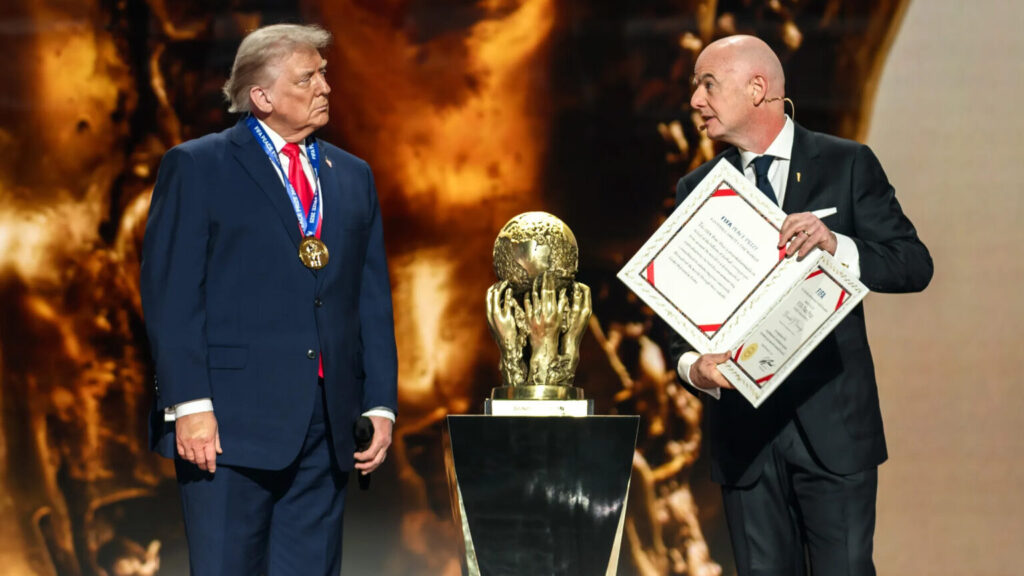
The proposed award comes after Trump was reportedly passed over for the Nobel Peace Prize in 2025 despite nominations and endorsements from Israeli leaders and other international figures.
Israel has reportedly continued to rally support for a potential Nobel Peace Prize bid in 2026, making the Israel Peace Prize proposal part of a broader recognition effort.
Mixed Reactions and Political Debate
As expected, the proposal has generated mixed reactions both in Israel and internationally.
Supporters argue that Trump deserves recognition for tangible diplomatic achievements and for strengthening Israel’s security and international standing. They view the award as an acknowledgment of a leader who consistently supported Israel during complex regional challenges.
Critics, however, question labeling the award as a “peace prize” amid ongoing conflicts in the Middle East. Some argue that awarding such a prize to a foreign political leader risks politicizing the Israel Prize and setting a controversial precedent.
Opposition figures, including former Prime Minister Yair Lapid, have criticized aspects of the broader political relationship, suggesting the move reflects the Netanyahu government’s ideological alignment with Trump rather than a neutral national recognition.
What the Move Signifies
Whether formally branded as the Israel Peace Prize or presented under the Israel Prize framework, the proposal highlights the exceptionally close ties between Trump and Netanyahu and underscores a shared approach to diplomacy centered on sovereignty, alliances, and strategic strength.
If Trump attends the ceremony during Israel’s Independence Day celebrations in 2026, it would become a high-profile political and diplomatic moment, reinforcing the partnership between the United States and Israel.
The ongoing debate surrounding the award also reflects broader global discussions about what constitutes peace in modern diplomacy, whether through negotiated settlements or strength-based agreements.
Also Read
Trump Announces Two-Week Ceasefire With Iran After Pakistan’s Last-Minute Mediation
Trump Issues Stark Ultimatum to Iran Over Strait of Hormuz as Deadline Looms