
First Signs of Calm in the Gulf
Gulf countries reported no new Iranian aerial attacks on Thursday, marking the first prolonged halt in missile and drone strikes since the conflict began in late February 2026. Official military updates from several regional governments confirmed that no new projectiles were detected, offering a brief moment of calm after weeks of sustained tension and near-daily alerts.
The pause comes amid a fragile two-week ceasefire agreement involving the United States, Israel, and Iran. The truce was announced earlier this week following intense diplomatic pressure and growing fears that the conflict could spiral into a wider regional war. Although attacks continued into Wednesday, the absence of new strikes on Thursday has raised cautious optimism that the agreement may be taking effect.
Ceasefire Emerges After Weeks of Escalation
The ceasefire is described as conditional and time-limited, with both sides monitoring compliance closely. Reports indicate that U.S. President Donald Trump played a significant role in pushing for the agreement, using diplomatic pressure and warnings of possible escalation to encourage a halt in hostilities.
Despite the announcement, Gulf countries including Saudi Arabia, United Arab Emirates, Qatar, Bahrain, and Kuwait reported interceptions of Iranian missiles and drones on Wednesday, just hours after the truce was declared. This raised early doubts about whether the ceasefire would hold, making Thursday’s quiet particularly significant.
How the Conflict Began
The current crisis traces back to late February 2026, when coordinated U.S. and Israeli strikes targeted Iranian military and leadership sites. The operation reportedly eliminated several high-ranking officials, including Iran’s Supreme Leader Ali Khamenei, triggering a rapid and forceful response from Tehran.
Iran launched a sustained campaign of ballistic missiles, cruise missiles, and drone swarms aimed at Israel and U.S. allied targets across the Gulf region. The attacks were framed by Iranian officials as retaliation and a warning to countries supporting U.S. and Israeli military operations.
Much of the retaliation focused on members of the Gulf Cooperation Council, which hosts key U.S. military assets and energy infrastructure critical to global supply chains.
Energy Infrastructure and Strategic Targets Hit
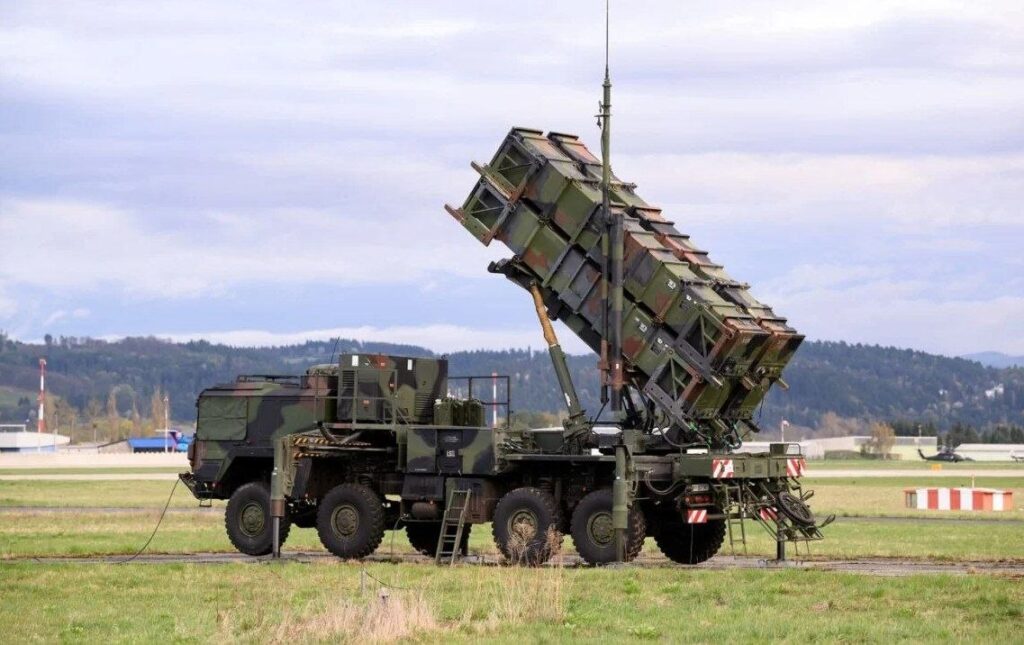
Iranian strikes heavily targeted energy and industrial infrastructure, including oil fields, refineries, ports, and liquefied natural gas facilities. The attacks disrupted operations and forced several Gulf states to activate emergency defense and repair measures.
In Saudi Arabia, repeated missile barrages targeted oil installations and Red Sea ports, while the UAE reported intercepting thousands of aerial threats aimed at gas and industrial facilities. Qatar’s Ras Laffan industrial complex, a key global LNG hub, also suffered significant damage, affecting energy supply chains and increasing market volatility.
The attacks placed enormous pressure on regional defense systems and caused economic strain, as governments spent heavily on air defense operations and emergency responses.
Strait of Hormuz Tensions Raise Global Alarm
The conflict also extended to maritime routes, with Iran threatening shipping through the Strait of Hormuz, one of the world’s most critical oil transit corridors. Any disruption in this waterway carries global consequences, as a large share of international oil exports passes through it daily.
These threats heightened fears of a broader economic shock, prompting increased naval monitoring and security coordination among regional and international forces.
Thursday’s Lull Offers Cautious Relief
Thursday’s absence of new missile or drone attacks marks the first extended pause since the conflict intensified around February 28. Gulf officials described the development as a welcome but cautious step toward de-escalation.
The quiet could signal Iran’s temporary compliance with the ceasefire or a tactical pause while all parties assess the situation. Governments across the Gulf are continuing to monitor airspace and defense systems closely, aware that the situation could change quickly.
For civilians and businesses, the lull provides a short window of relief after weeks of uncertainty, sirens, and disruptions.
While the ceasefire offers hope for stability, regional leaders remain skeptical about its durability. The conflict has already reshaped security planning in the Gulf, with countries reassessing defense strategies, strengthening alliances, and investing in new counter-drone technologies.
Underlying tensions related to nuclear concerns, regional influence, and control of strategic waterways remain unresolved, meaning the risk of renewed hostilities is still present.
For now, Thursday’s calm stands as a fragile turning point. Whether it develops into lasting stability or collapses into renewed conflict will depend on how the ceasefire holds in the coming days.
Also Read
Trump Praises Saudi Arabia and Gulf Allies in Iran War, Criticizes NATO Support
UK to Host 35-Nation Emergency Meeting to Reopen Strait of Hormuz Amid Iran Conflict