The United States has imposed a fresh round of sanctions against companies and individuals accused of helping Iran obtain materials and technology linked to its drone and ballistic missile programs.
The sanctions, announced on May 8, 2026 by the US Department of the Treasury, target 10 individuals and entities, including firms based in China and Hong Kong. US officials say the network helped Iran acquire weapons-related components, raw materials, and financial support tied to military procurement operations.
Chinese Firms Accused of Supporting Iranian Procurement
Among the companies named in the sanctions are Yushita Shanghai International Trade Co Ltd and Hitex Insulation Ningbo Co Ltd. US authorities allege that the firms assisted Iran in securing materials and equipment connected to weapons production.
The Treasury Department claims Yushita Shanghai International Trade Co Ltd helped facilitate Iran’s acquisition of weapons from China, while Hitex Insulation Ningbo Co Ltd allegedly supplied insulation materials used in ballistic missile systems.
The sanctions also target Hong Kong-based intermediaries HK Hesin Industry Co Ltd and Mustad Ltd, alongside Dubai-based Elite Energy FZCO, which US officials accuse of helping move funds connected to the procurement network.
Iranian company Pishgam Electronic Safeh Co was also included in the sanctions package over allegations tied to the procurement of drone motors used in Shahed-style unmanned aircraft.
US Expands Pressure Campaign on Iran
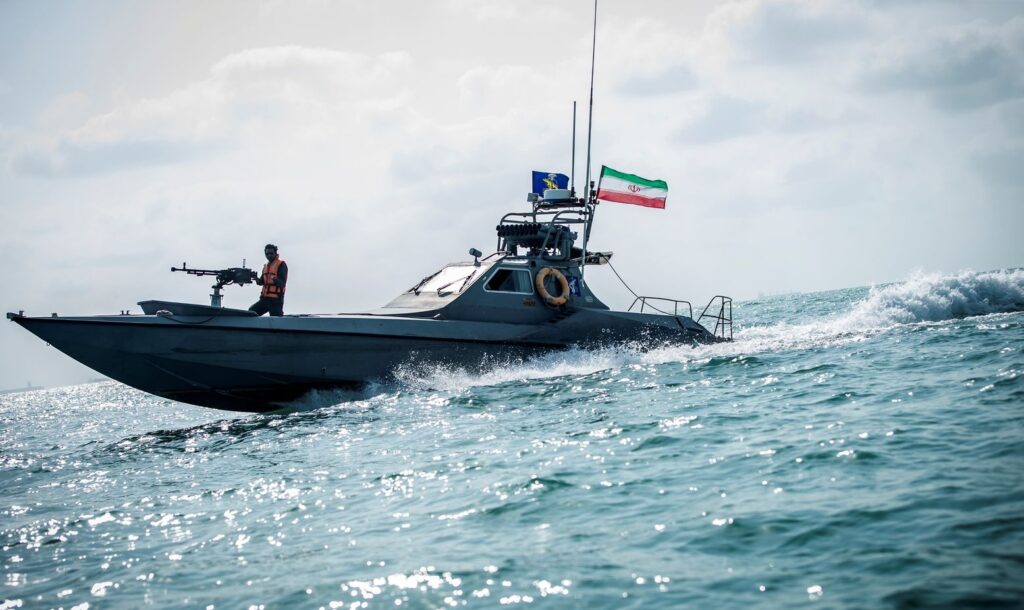
The latest sanctions form part of Washington’s wider campaign to pressure Iran economically and militarily. The measures follow recent tensions in the Middle East and come as the US continues efforts to disrupt Iran’s drone and missile production capabilities.
US officials argue that Iran depends on international procurement channels to obtain sensitive components for military systems, including Shahed drones that have become central to Tehran’s regional military strategy.
The sanctions freeze any US-based assets belonging to the designated entities and ban American individuals and companies from conducting business with them. Washington also warned foreign financial institutions that they could face secondary sanctions if they continue supporting sanctioned Iranian activities.
Oil Trade Remains a Major Flashpoint
The sanctions arrive amid rising tensions between Washington and Beijing over Iran’s oil exports. The US has repeatedly accused Chinese refiners and shipping networks of helping Iran bypass restrictions on crude oil sales.
Earlier in 2026, the US sanctioned several Chinese independent refineries, often referred to as “teapot” refineries, along with dozens of vessels accused of participating in Iran’s shadow oil trade.
China remains the largest buyer of Iranian oil, providing Tehran with a major source of revenue despite ongoing Western sanctions.
China Pushes Back Against US Measures
China has rejected the US sanctions and criticized Washington for interfering in what Beijing describes as normal commercial activity.
In early May 2026, China’s Ministry of Commerce reportedly activated a 2021 “blocking statute” for the first time. The move instructed Chinese companies not to comply with certain US sanctions tied to Iranian oil trade activities.
The decision marked a sharp escalation in the dispute and highlighted growing resistance to the global reach of American sanctions policy.
Chinese officials maintain that unilateral sanctions imposed outside the framework of international law unfairly target foreign companies and damage global trade relations.
Wider Global Impact
The dispute carries implications far beyond the countries directly involved. Analysts warn that rising tensions between the US, China, and Iran could increase uncertainty in global energy markets, especially around key shipping routes such as the Strait of Hormuz.
Companies involved in international supply chains may also face greater scrutiny as governments tighten enforcement against sanctions evasion networks.
The latest measures show how sanctions remain a central tool in Washington’s foreign policy strategy as it seeks to limit Iran’s military expansion while managing growing friction with Beijing over trade, energy, and geopolitical influence.
Also Read
Russia, China, and France Block UN Push for Military Action to Reopen Strait of Hormuz
China Opens Government Bond Futures to Foreign Investors in Push for Global Capital