Flight cancellations, empty hotels, and falling demand shake a key pillar of the economy
The United Arab Emirates is facing a sharp downturn in its tourism and hospitality sector as regional conflict continues to disrupt travel. After a record year in 2025, when Dubai welcomed millions of international visitors, the industry has seen a steep drop in arrivals in early 2026.
The escalation of tensions involving the United States, Israel, and Iran has triggered widespread concern among travelers, leading to cancellations and reduced bookings across the region.
Air Travel Faces Major Disruptions
Air travel has taken a significant hit, with Dubai International Airport experiencing disruptions due to airspace restrictions and security concerns. Flights across the region have been canceled or rerouted, affecting both inbound tourism and transit passengers.
Major carriers such as Emirates and Etihad Airways have scaled back operations. Passenger numbers dropped sharply in the first quarter of 2026, with some reports pointing to steep declines in March.
Even as some restrictions ease, uncertainty continues to affect traveler confidence, limiting recovery in the short term.
Hotels Struggle with Low Occupancy
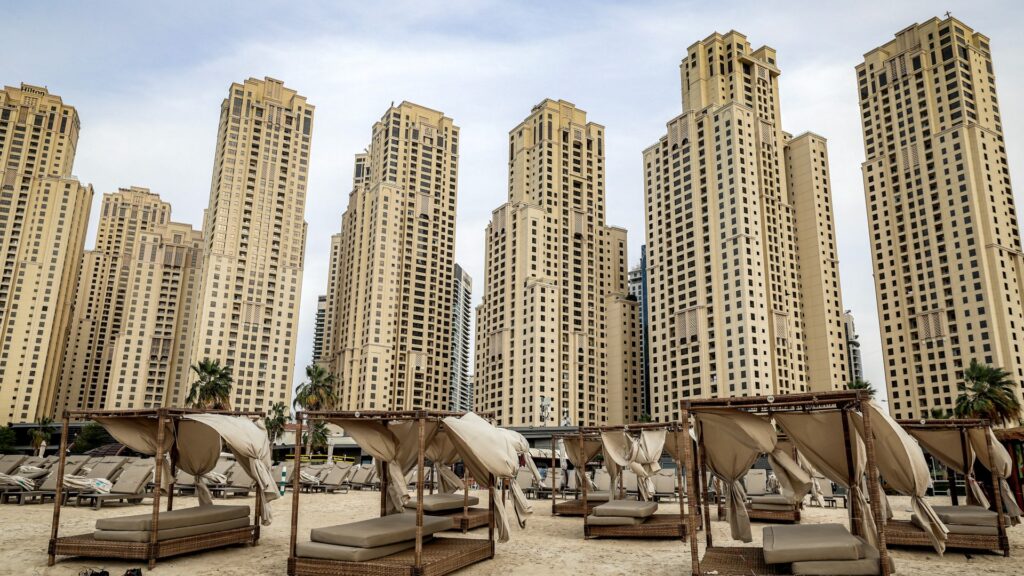
The hospitality sector has seen one of the most immediate impacts. Hotels in Dubai and other emirates have reported sharp declines in occupancy, with many facing cancellations and reduced bookings.
Luxury properties and short-term rentals have been particularly affected, as international tourists delay or cancel trips. Areas such as Palm Jumeirah have also faced disruptions linked to the broader security situation.
In response, hotels have introduced discounts and staycation offers to attract local visitors, while some have reduced operations to manage costs.
Ripple Effects Across the Economy
The downturn has spread beyond airlines and hotels. Restaurants, tour operators, and entertainment venues are experiencing reduced demand as visitor numbers fall.
Transport services, including ride-hailing platforms like Uber, have reported lower usage in key tourist areas. The slowdown has also affected employment in sectors that rely heavily on tourism activity.
Government and Industry Response
Authorities in the UAE have introduced support measures to cushion the sector. These include financial relief, promotional campaigns, and efforts to restore confidence among international travelers.
Despite these steps, recovery depends largely on stability in the region. The upcoming months, which already represent a slower travel season, may continue to challenge the industry.
Uncertain Path to Recovery
Tourism has played a major role in the UAE’s economic diversification strategy. The current crisis highlights how quickly external shocks can affect global travel hubs.
While the country has recovered from past disruptions, the pace of recovery this time will depend on geopolitical developments and the return of traveler confidence. For now, the sector remains under pressure as the region navigates an uncertain period.
Also Read
Iranian Strikes Hit Fujairah Oil Terminal as Gulf Tensions Rise