Rising number of operations highlights ongoing counterterrorism campaign largely absent from mainstream debate
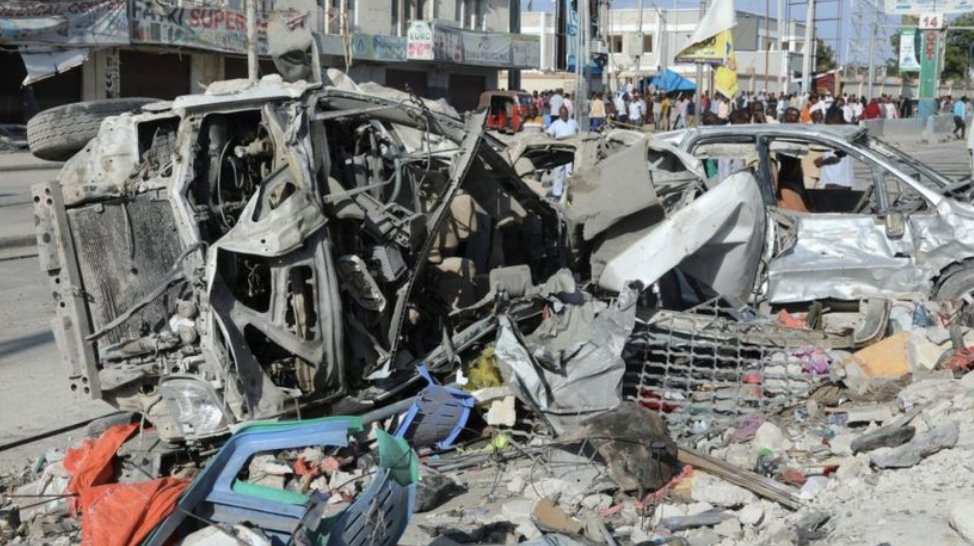
A growing number of U.S. airstrikes in Somalia has drawn attention from analysts and independent trackers, even as the campaign remains largely out of public focus. By late April 2026, at least 58 confirmed strikes have been recorded, placing the year on track to match or exceed recent highs in U.S. military activity in the region.
The operations, carried out under the authority of United States Africa Command, target militant groups including al-Shabaab and Islamic State in Somalia. These strikes form part of a long-running counterterrorism effort that has intensified over the past two years.
Sharp Increase in Strike Activity
The pace of strikes in 2026 reflects a continuation of a trend that accelerated in 2025. Under Donald Trump’s current administration, U.S. military activity in Somalia increased significantly, with more than 120 strikes reported in 2025 alone.
That marked a major jump from 2024, when roughly 10 strikes were recorded during the final year of Joe Biden’s administration. The rapid rise in operations has shifted Somalia back into focus as one of the most active theaters in U.S. counterterrorism efforts.
Early 2026 saw particularly intense activity, with dozens of strikes reported in the first few months. The continued pace into April suggests that the campaign remains a priority for U.S. defense planners.
Targets and Strategy on the Ground
Most U.S. strikes in Somalia focus on al-Shabaab, an al-Qaeda-linked group that maintains a strong presence in rural areas and continues to carry out attacks within Somalia and across the region. The smaller Islamic State affiliate, concentrated in northern areas such as Puntland’s Golis Mountains, has also been targeted.
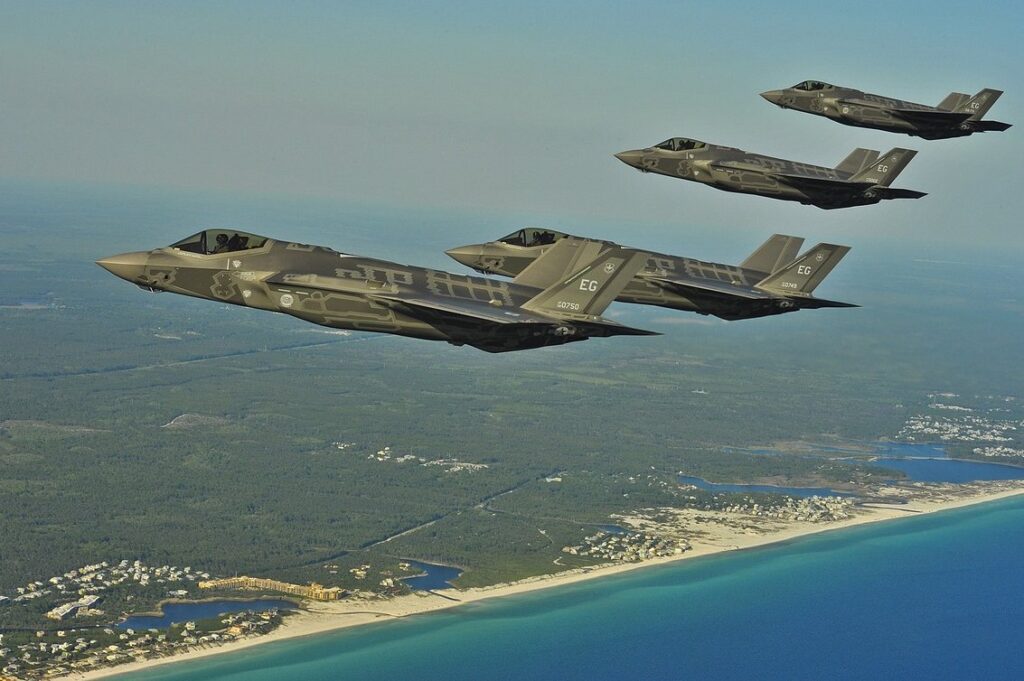
The strikes are typically conducted using drones and, in some cases, manned aircraft. Systems like the MQ-9 Reaper play a central role in these operations, allowing the U.S. to carry out precision attacks without maintaining a large ground force presence.
AFRICOM often describes the strikes as necessary to disrupt militant planning and to support Somali government forces. Officials frame many operations as acts of self-defense or responses to imminent threats against U.S. personnel or partners.
Limited Visibility in Global News
Despite the frequency of strikes, the campaign has received relatively little coverage in major international media. Several factors contribute to this low visibility.
AFRICOM releases brief statements for many operations, but these updates tend to include limited detail. They usually confirm the location and target while stating that no civilians were harmed, based on initial assessments. Independent verification of such claims remains difficult, particularly in remote areas where access is restricted.
At the same time, global attention has focused heavily on other conflicts, including those in Europe and the Middle East. In that context, ongoing operations in Somalia often appear as routine updates rather than headline news.
The nature of the campaign also plays a role. Without a large U.S. troop presence on the ground, the operations lack the visibility associated with conventional wars. This makes it easier for them to continue without sustained public discussion.
Long-Running Conflict with No Clear End
Somalia has remained a key front in the broader U.S. war on terrorism for nearly two decades. While al-Shabaab has lost control of major urban centers, it continues to operate across large parts of the countryside and retains the ability to conduct attacks.
The U.S. works in coordination with Somali forces and has supported regional missions led by African partners. Airstrikes have become the most consistent and measurable aspect of U.S. involvement.
Supporters of the campaign argue that these operations limit the capabilities of militant groups and help prevent attacks on U.S. and allied interests. Critics raise concerns about the long-term effectiveness of relying heavily on airpower, as well as the potential for civilian harm and local resentment.
They also point to broader challenges in Somalia, including political instability, economic hardship, and complex local dynamics that cannot be addressed through military action alone.
Ongoing Debate Over Impact and Oversight
The rising number of strikes in 2026 has renewed questions about transparency and oversight. While AFRICOM provides regular updates, detailed information about targets, outcomes, and potential civilian casualties remains limited.
Independent organizations attempt to track and verify strike data, but discrepancies can occur due to differences in reporting methods and access to information. As a result, exact totals may vary slightly depending on the source.
The broader issue centers on how such campaigns are monitored and debated. With limited public attention, decisions about the scale and scope of operations often unfold without sustained scrutiny.
A Quiet but Active Theater
The current pace of U.S. airstrikes in Somalia reflects a campaign that continues to expand while remaining largely out of the spotlight. As 2026 progresses, the number of operations may continue to rise, reinforcing Somalia’s position as a central focus of U.S. counterterrorism efforts.
Whether this strategy will achieve lasting results remains uncertain. What is clear is that the campaign has reached a level of intensity that rivals recent peaks, even as it receives far less attention than other global conflicts.
Also Read
USA Drone Support Boosts DRC Military Operations Against M23 Rebels
UPDF Hosts U.S. Army War College Delegation in Kampala to Deepen Defence Cooperation