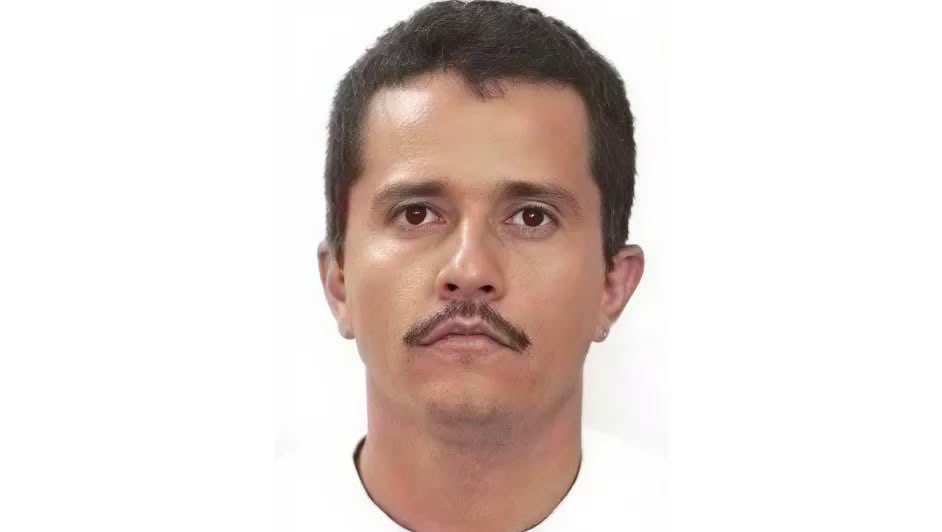
Ugandan innovator Kyeyune Kazibwe has gained international recognition after winning the “Keep Thinking” Prize for his artificial intelligence project TARA during a global hackathon organized by Anthropic, the creators of Claude AI.
The award was announced in February 2026 as part of the “Built with Opus 4.6” hackathon, which attracted hundreds of developers exploring advanced capabilities of the latest Claude models. TARA stood out among finalists for its practical use of AI to address real infrastructure challenges in low resource environments.
What TARA Does
TARA, believed to stand for Transport Appraisal and Risk Analysis, is an AI powered system that converts ordinary dashcam road footage into detailed infrastructure investment insights. Using computer vision and data analysis, the tool evaluates road conditions visible in video recordings, identifying issues such as potholes, surface damage, erosion, traffic risks, and construction progress.
The system then applies economic modeling to generate recommendations, including estimated repair costs, potential returns on investment, accident risk reduction, and broader economic benefits such as improved market access and travel time savings. This approach allows low cost video data collected by drivers, motorcycles, or community volunteers to become valuable planning information for governments, donors, and private investors.
Tested in Uganda
A key strength of the project is its real world validation. Kazibwe tested the prototype using footage from an actual road construction site in Uganda, demonstrating that the system can function under challenging local conditions such as dust, mixed traffic, and varying lighting. This practical testing highlights the potential for AI tools tailored to African infrastructure realities.
Why It Matters
Poor road infrastructure remains a major economic challenge across Africa, contributing to high transport costs, safety risks, and lost productivity. Solutions like TARA could help governments and organizations prioritize investments more efficiently by enabling faster, cheaper data collection and analysis.
Kazibwe, believed to be based in Kampala, represents a growing generation of African developers using advanced AI tools to solve local problems. His achievement demonstrates how accessible technology can bridge global innovation with community needs.
With further development, partnerships, or open source collaboration, TARA could become a scalable model for infrastructure assessment worldwide.