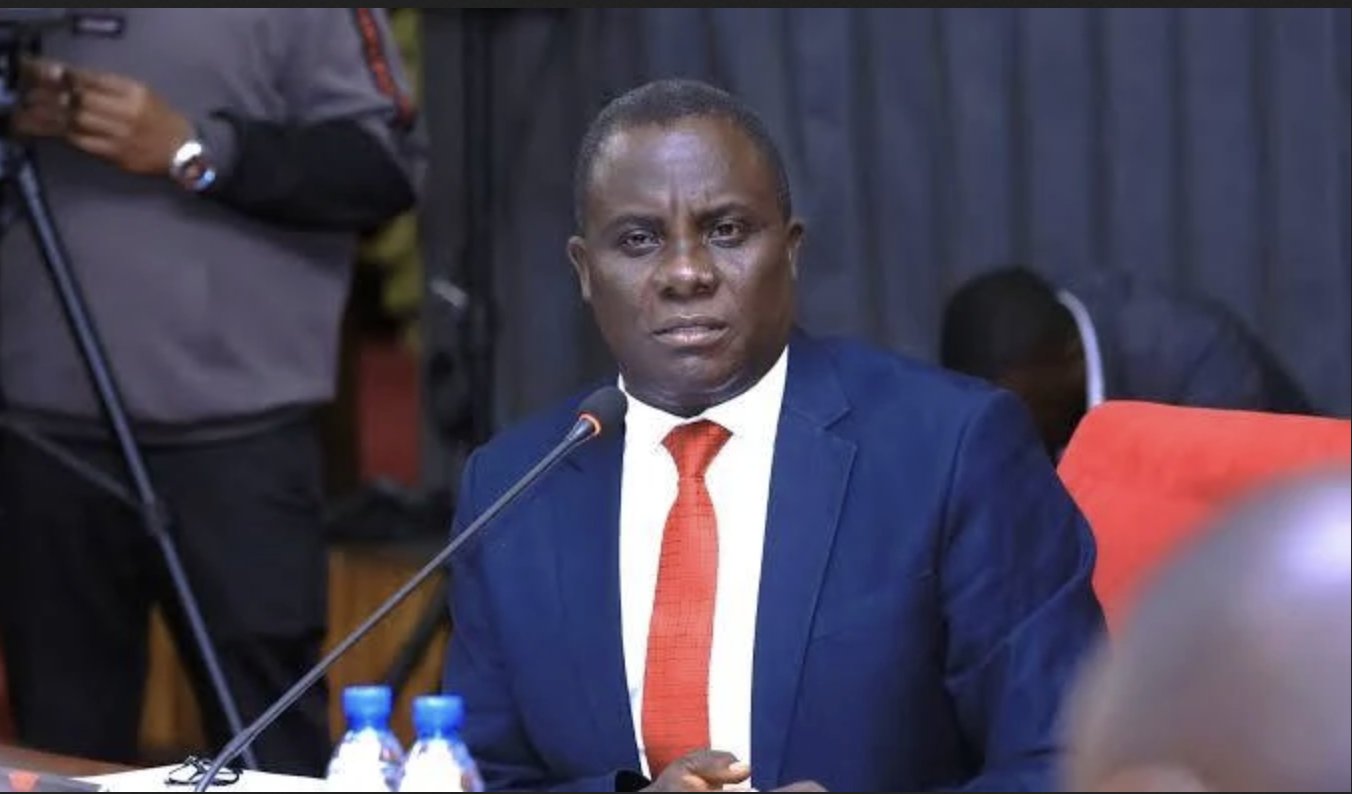
Uganda’s Parliament has declined to approve the appointment of Dr. Lawrence Muganga as State Minister for Internal Affairs, citing concerns over his citizenship status and eligibility to hold the office under Ugandan law. The decision marks a significant development in the government’s appointment process and has reignited debate over dual citizenship, public office eligibility, and constitutional requirements for senior government positions.
Dr. Muganga had been appointed by President Yoweri Museveni, but lawmakers reportedly found during the vetting process that he held citizenship in another country in addition to his Ugandan citizenship, raising questions about his qualification for the role.
According to parliamentary findings, the rejection was based on legal provisions that require holders of certain public offices to be citizens of Uganda only.
While Uganda recognizes dual citizenship, some constitutional and statutory positions carry additional eligibility requirements that may restrict individuals holding citizenship of another country from serving in those offices.
Parliament’s decision underscores the importance of compliance with these legal standards during the appointment and vetting process, particularly for positions linked to national security and internal affairs.
The development represents a rare instance in which a presidential appointment has failed to secure parliamentary approval due to questions surrounding citizenship status rather than professional qualifications or experience.
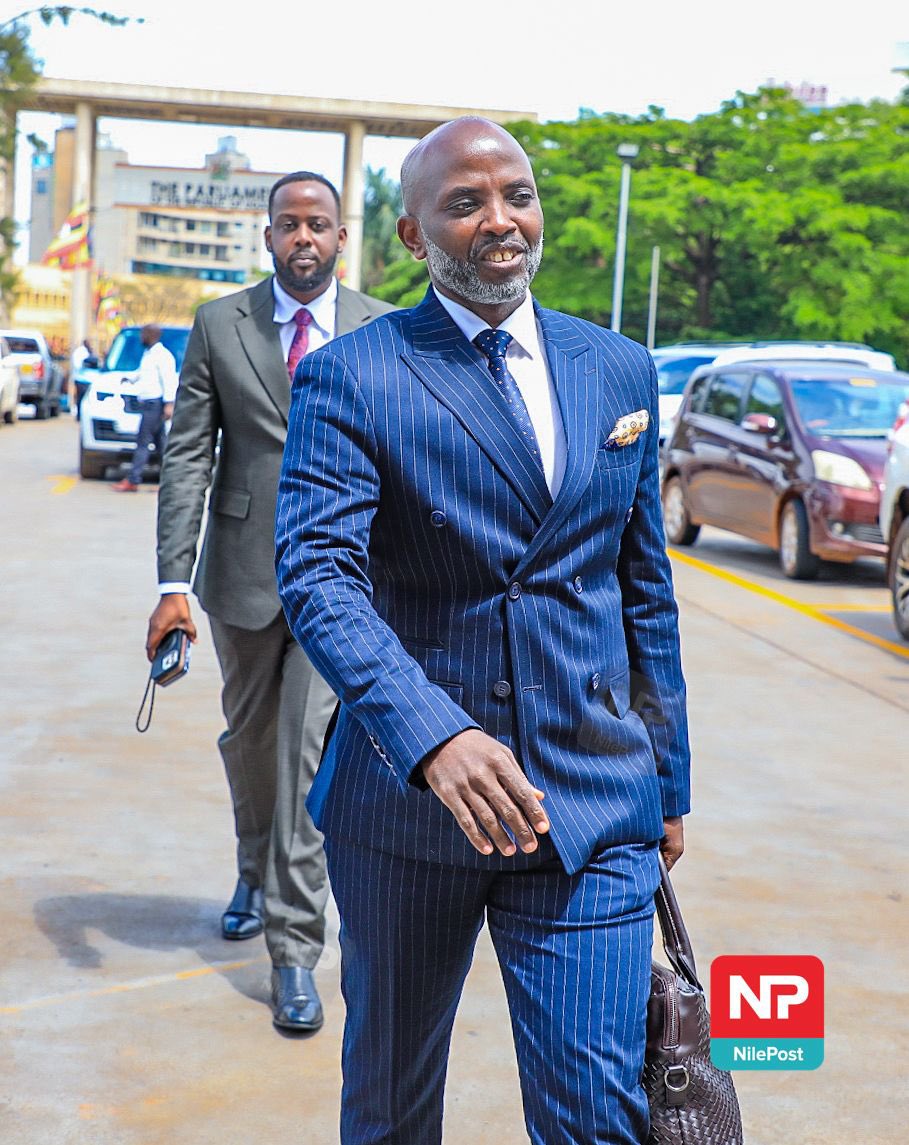
Following the decision, Dr. Muganga addressed concerns about his background and citizenship, rejecting suggestions that he is a citizen of Rwanda.
Speaking to journalists, he stated that while he previously held both Ugandan and Canadian citizenship, he remains Ugandan.
“Ndi Munyarwanda and Banyarwanda are among the tribes in Uganda. That is a simple fact. I am not Rwandese. Before I came here, I had two citizenships—that’s the Ugandan citizenship and the Canadian citizenship,” Muganga said.
His remarks were aimed at clarifying public discussion surrounding his heritage and nationality following the parliamentary decision.
With Parliament declining to approve Dr. Muganga’s appointment, the position of State Minister for Internal Affairs will require a fresh nomination or further action in line with Uganda’s constitutional processes.
The development places renewed focus on the legal framework governing public office and may shape future discussions around dual citizenship and political appointments in Uganda.
As the government considers its next steps, the case is expected to remain a key point of debate within both political and legal circles.