Millions forced to flee as regional countries face mounting pressure on resources and stability
The ongoing conflict in Sudan between the Sudanese Armed Forces vs Rapid Support Forces conflict has created the world’s largest displacement crisis. Since fighting erupted in April 2023, more than 14 million people have been forced from their homes, reshaping population flows across East Africa and beyond.
By early 2026, around 9 million people remain displaced inside Sudan, while over 4.5 million have crossed borders into neighboring countries. The scale and speed of movement have placed heavy pressure on already strained humanitarian systems across the region.
Massive Cross Border Movement Across the Region
Sudanese refugees have spread across multiple countries, each facing different levels of pressure.
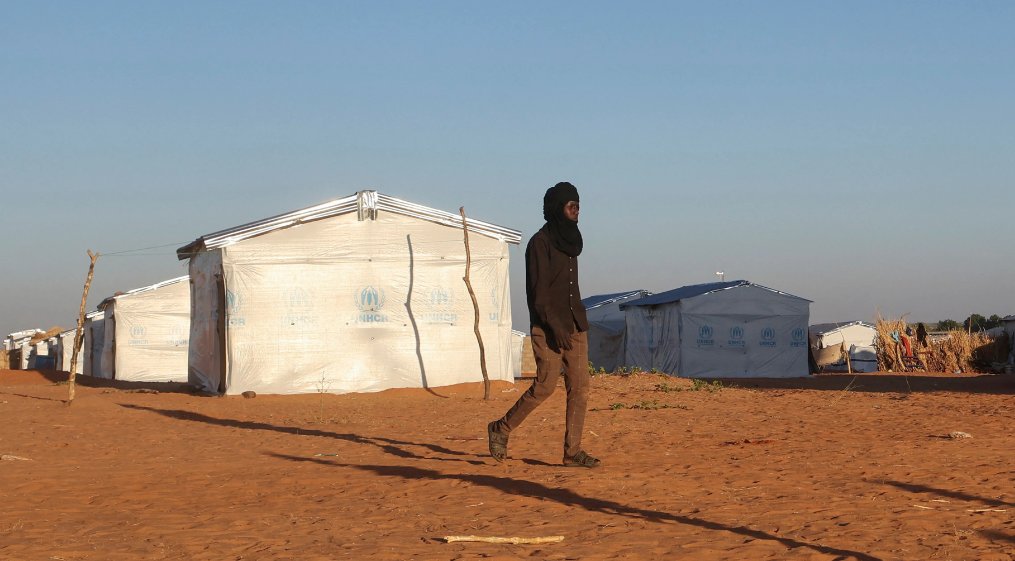
In Chad, hundreds of thousands have crossed into already vulnerable border regions, overwhelming local services and humanitarian capacity. Egypt hosts more than a million Sudanese, many living in urban areas where economic pressure and policy tightening have increased tensions.
South Sudan has received large numbers of arrivals alongside returning citizens, creating a complex situation of reintegration and displacement in an already fragile state. Ethiopia has also taken in tens of thousands, with arrivals concentrated in border regions affected by existing instability.
Uganda has registered over 90,000 Sudanese refugees. Many are settling in urban areas rather than traditional camps, reflecting different migration patterns compared to earlier refugee movements in the region.
A Region Already Under Pressure
East Africa and the Horn of Africa have long managed large refugee populations. Countries such as Uganda, Kenya, Ethiopia, and South Sudan were already hosting millions displaced by conflicts in Somalia, South Sudan, and the Democratic Republic of the Congo.
The arrival of Sudanese refugees has added new strain to systems already stretched by climate shocks, food insecurity, and limited funding. Droughts and floods have weakened livelihoods, increasing competition over land, water, and basic services.
Pressure on Services and Local Economies
Health systems in several host countries are struggling to cope. Disease outbreaks such as cholera have spread across borders, while clinics and nutrition programs face funding shortages.
In rural areas, shelters and infrastructure have been damaged by extreme weather, making conditions worse for displaced populations.
Urban areas are also under pressure. In Uganda and Egypt, many Sudanese refugees have moved into cities in search of work. This has increased competition for jobs and housing, placing strain on low income communities.
Rising Social and Security Concerns
The influx of refugees has also created social tensions in some areas. Host communities facing economic hardship have expressed concerns about rising costs and limited opportunities.
In fragile regions such as South Sudan, the return of large numbers of citizens alongside new arrivals has increased pressure on governance systems that are already weak.
Security concerns have also emerged in some border areas, where instability and movement of armed actors add complexity to the humanitarian situation.
Funding Gaps Deepen the Crisis
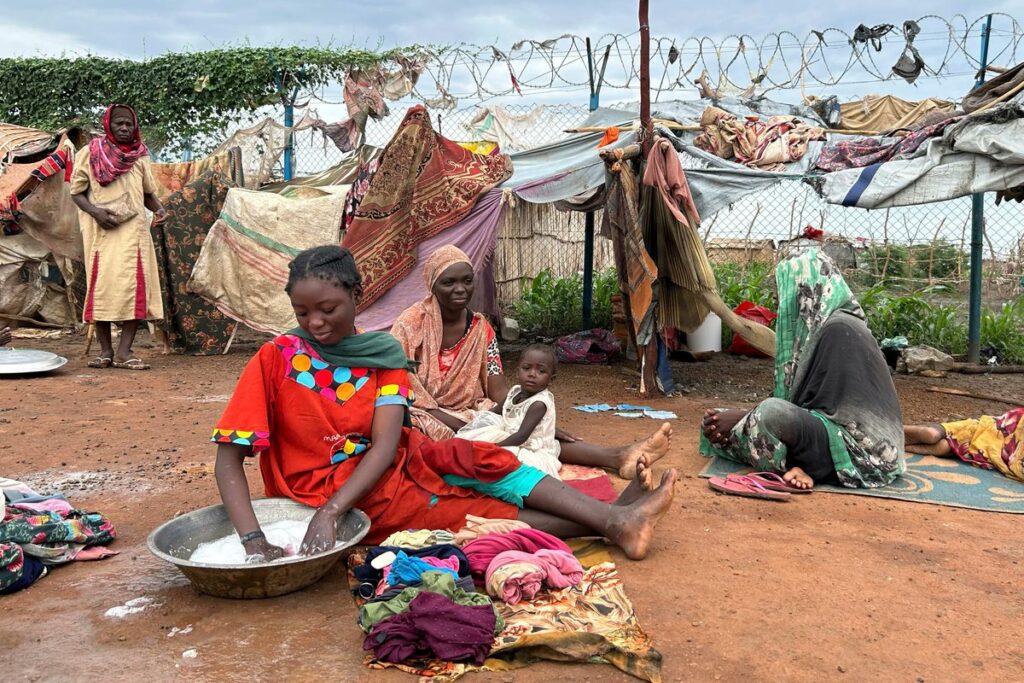
Humanitarian funding has not kept pace with the scale of displacement. Aid agencies report shortages that have led to reduced services, including clinic closures and cuts in food assistance.
This shortfall has forced some refugees to move again in search of support, adding to secondary displacement within the region.
A Shift in Regional Displacement Patterns
The Sudan conflict has reversed long standing migration patterns. Sudan, once a major host country for refugees, has become a major source of displacement.
This shift has placed additional responsibility on neighboring countries that were already managing large refugee populations. The result is a layered crisis involving multiple overlapping displacement situations across the region.
Countries such as Uganda are now hosting refugees from several countries at once, testing systems designed for more predictable inflows.
Long Term Risks for Stability
Experts warn that continued pressure on land, water, and services could deepen existing tensions. Climate change and population growth add further strain to already limited resources.
There are concerns that prolonged instability could drive secondary migration beyond the region if conditions do not improve.
A Crisis With Limited Global Attention
Despite its scale, the Sudan displacement crisis has received less international attention than other global emergencies. This has limited the flow of aid and slowed response efforts.
Host countries continue to carry much of the burden, balancing humanitarian obligations with domestic economic and political pressures.
Outlook for the Region
Without a resolution to the conflict in Sudan, displacement is likely to continue. Regional cooperation and sustained humanitarian funding remain essential to prevent further deterioration.
The crisis is reshaping East Africa’s demographic and economic landscape in ways that may last for years. Countries across the region now face the challenge of supporting millions of displaced people while maintaining stability at home.
Also Read
How the Iran Conflict Is Quietly Fueling a Global Hunger Crisis