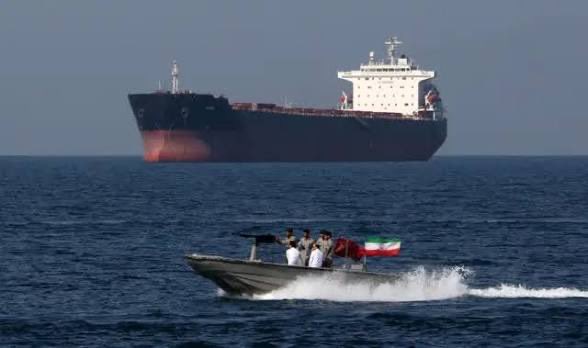
The Strait of Hormuz, one of the world’s most strategically important waterways, has become the center of a growing geopolitical crisis, with commercial shipping activity collapsing amid escalating tensions between Iran and the United States.
A Critical Global Chokepoint Under Pressure
The Strait of Hormuz is a narrow passage, measuring roughly 21 miles at its tightest point, positioned between Iran and Oman. It serves as the only sea route connecting the Persian Gulf to the open ocean via the Gulf of Oman and the Arabian Sea.
Under normal conditions, about 20 percent of the world’s oil supply, alongside substantial volumes of liquefied natural gas, flows through this corridor daily. Its importance to global energy markets cannot be overstated, making any disruption immediately significant on a worldwide scale.
Shipping Activity Near Standstill
As of April 20, 2026, the strait is effectively restricted, with commercial traffic dropping to a fraction of its usual levels. Where more than 100 vessels would typically pass through each day, recent activity has dwindled to only a handful, with some days recording almost no movement at all.
Hundreds of ships are now stranded in surrounding waters, as shipping companies steer clear of the region due to heightened security risks and uncertainty. The sharp decline in transit highlights the severity of the situation and its immediate impact on global trade flows.

Iranian Forces Enforce Restrictions
Iran, through its Islamic Revolutionary Guard Corps naval units, has taken an aggressive stance in controlling access to the strait. Reports indicate the use of gunboats, fast-attack craft, and radio warnings to deter vessels from entering the area.
In several instances, Iranian forces have fired warning shots and, in some cases, directly targeted ships. Tankers have been ordered to turn back, and strict conditions have been imposed on any attempted passage. Maritime advisories have urged vessels to avoid the area altogether.
Even during brief announcements that the strait was “open,” few ships attempted to cross, and most turned back due to ongoing threats, fears of mines, and the absence of safe transit guarantees.
Roots of the Crisis
The current standoff is part of a broader conflict involving Iran, the United States, and Israel, which intensified in late February 2026. While temporary ceasefires, including one linked to tensions in Lebanon, created short-lived openings for navigation, these agreements have repeatedly broken down.
The result has been a cycle of brief de-escalation followed by renewed confrontation, leaving the status of the strait in constant flux.
Iran’s Strategic Position
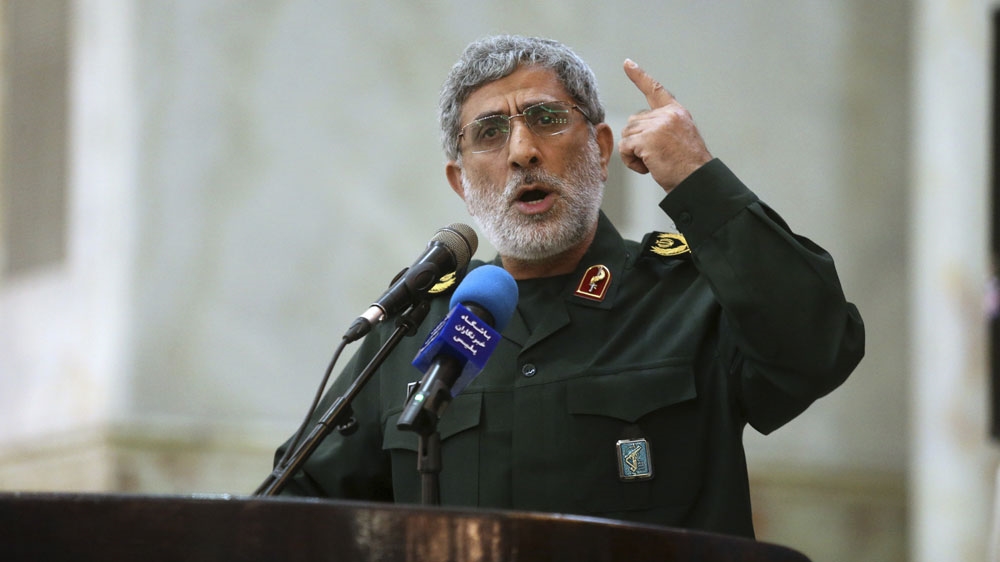
Iran maintains that the strait is either closed or operating under strict Iranian oversight until the United States lifts what it describes as a naval blockade on its ports. Officials in Tehran have framed their actions as both defensive and retaliatory.
They accuse the U.S. of violating ceasefire agreements and warn that any vessel attempting to pass without authorization could be targeted. Iran has also introduced conditions for transit, such as requiring prior approval or restricting ships to designated lanes.
This approach allows Iran to use the strait as a powerful bargaining tool in ongoing geopolitical negotiations.
The U.S. Response
The United States, meanwhile, insists that the Strait of Hormuz remains open under international law, particularly the principle of freedom of navigation. Washington has clarified that its naval operations are aimed specifically at vessels linked to Iranian ports, rather than a full closure of the waterway.
U.S. forces have conducted patrols and freedom-of-navigation operations in the region, signaling their commitment to maintaining access. Officials have also indicated a willingness to escort commercial vessels and have introduced measures such as political risk insurance to support maritime trade.
President Donald Trump has publicly rejected Iran’s position, stating that the U.S. will not be pressured by threats to close the Strait and that restrictions will remain until a broader agreement is reached.
A Dangerous Standoff with Global Consequences
At the heart of the crisis is a fundamental disagreement. Iran asserts control over access to the strait as leverage against U.S. actions, while the United States rejects any attempt to restrict passage through what it considers an international waterway.
This clash has created a volatile environment where even minor incidents can escalate quickly. Reports of ships being fired upon, turned back, or seized have driven insurance costs sharply higher, further discouraging commercial traffic.
Markets on Edge as Uncertainty Persists
The instability has already begun to ripple through global energy markets, with oil prices experiencing sharp fluctuations in response to developments in the region. Analysts warn that a prolonged disruption could have severe consequences, particularly for energy-dependent economies in Asia.
Even if tensions ease and the strait is officially reopened, experts caution that normal operations may take weeks or even months to resume. Lingering security risks, insurance challenges, and disrupted supply chains will continue to weigh on recovery efforts.
A Fluid and High-Stakes Situation
The situation in the Strait of Hormuz remains highly dynamic, with conditions changing rapidly based on military actions, diplomatic developments, and shifting alliances. For now, shipping remains minimal, and global markets are watching closely.
With both Iran and the United States using the Strait as a strategic lever, the path forward remains uncertain, and the stakes for the global economy could not be higher.
Also Read
Trump Announces 10-Day Israel–Lebanon Ceasefire Amid Escalating Border Conflict
Iran Signals Conditional Reopening of Strait of Hormuz Amid Lebanon Ceasefire