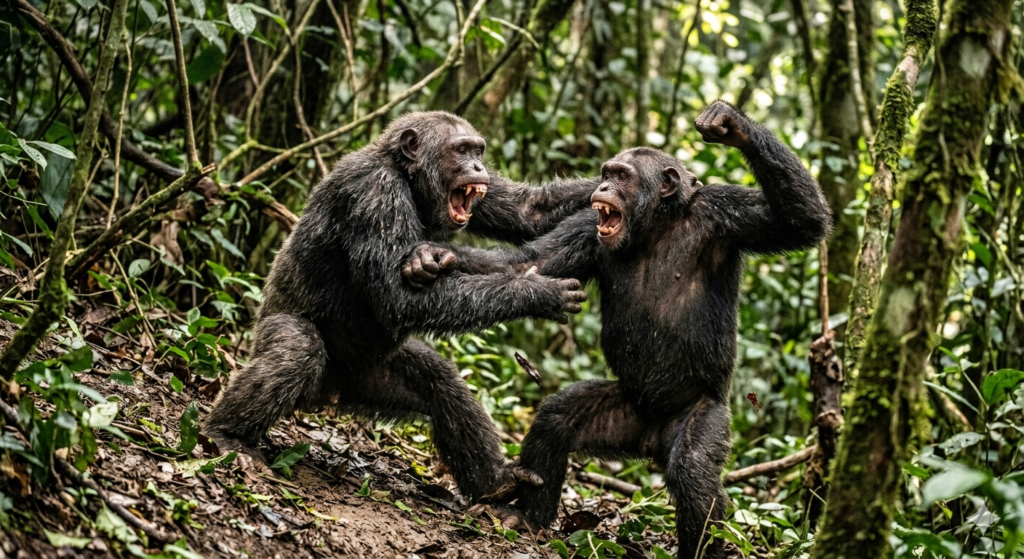
A Rare and Dramatic Primate Conflict Unfolds
Deep within Uganda’s Kibale National Park, one of the most extraordinary wildlife events ever recorded is continuing to unfold. The Ngogo chimpanzee community, studied for decades by researchers, has descended into a prolonged internal conflict often described by scientists as a “civil war.”
The situation has been closely documented by the Ngogo Chimpanzee Project, which has followed the group since 1995. What was once a single, highly stable chimpanzee community of around 200 individuals has split into two hostile factions engaged in sustained violence.
From One Great Community to a Divided Society
For many years, the Ngogo chimpanzees lived as one of the largest known wild chimpanzee communities. Their society reflected the typical chimpanzee “fission-fusion” system, where individuals split into smaller groups but still maintained strong social bonds, shared territory, and frequently interacted.
However, around 2015, subtle fractures began to appear within the group. Researchers observed the emergence of two loose social clusters, later identified as the Western and Central factions. Over time, relationships weakened, particularly following the deaths of older influential males who had helped maintain cohesion.
A turning point came in 2015 when a confrontation between members of the emerging factions signaled rising tensions. By 2018, the split had become permanent, with both sides occupying separate territories and treating each other as hostile rivals rather than former community members.
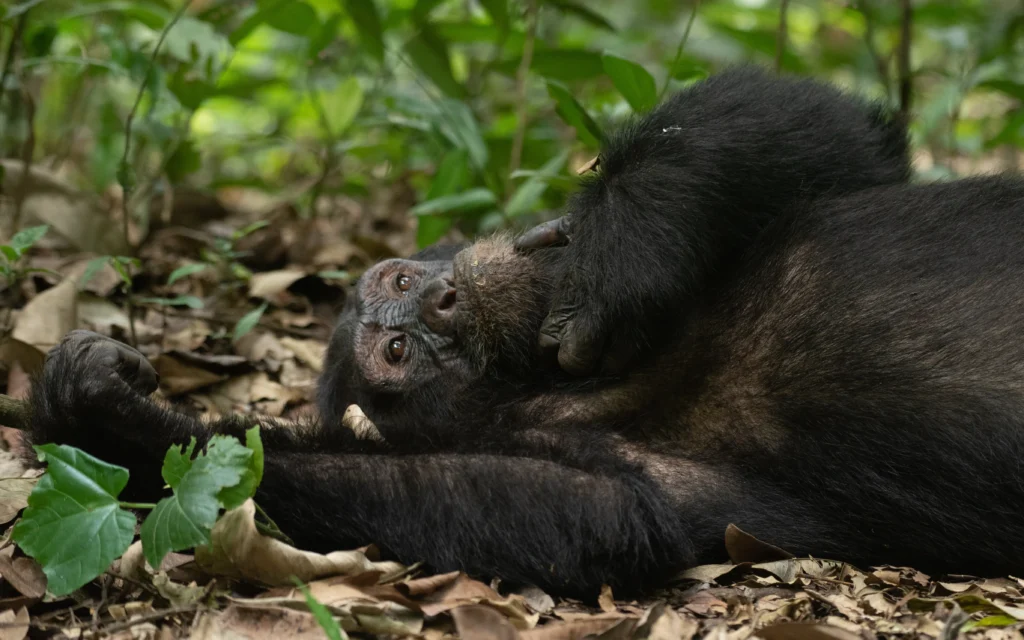
Escalation Into Coordinated Violence
What followed was an unprecedented escalation into organized lethal aggression. Beginning in 2018, males from the Western group began launching coordinated raids into Central group territory.
These attacks were highly strategic and often involved multiple adult males overwhelming isolated individuals. Researchers documented numerous killings over several years, including adult males and infants, with the latter particularly affecting the long-term survival prospects of the Central group.
The Western faction did not suffer recorded casualties during these encounters, a factor that has contributed to its growing dominance. As the conflict progressed, it expanded its territory into resource-rich areas, strengthening its ecological advantage.
By late 2025, the Western group had grown to approximately 108 individuals, while the Central group had declined to around 76.
A Community Under Severe Pressure
The Central group is now reported to be under significant strain. Observations suggest it has retreated from key areas of its former range, including regions near the Primate Lodge area used for chimpanzee trekking in Kibale National Park.
Leadership instability has further weakened the group. The loss or severe injury of key males, including former alpha figures, has left the Central faction struggling to maintain cohesion. Without strong leadership, coordination during conflicts and territorial defense has declined.
Researchers note that this breakdown in structure has contributed to repeated losses and continued territorial contraction.
Why the Ngogo Split Turned Violent
Scientists studying the phenomenon point to a combination of factors that led to the conflict.
Internal social polarization appears to have been a major trigger, as informal subgroups within the larger community gradually formed stronger internal bonds than cross-group relationships. Over time, this weakened unity.
Leadership changes also played a critical role. The deaths and displacement of influential older males removed stabilizing figures that had previously mediated tensions within the group.
Territorial pressure further intensified the situation. In chimpanzee societies, access to food-rich territory directly affects survival, reproductive success, and group strength. Expansion into rival territory can offer clear evolutionary advantages, reinforcing aggressive behavior.
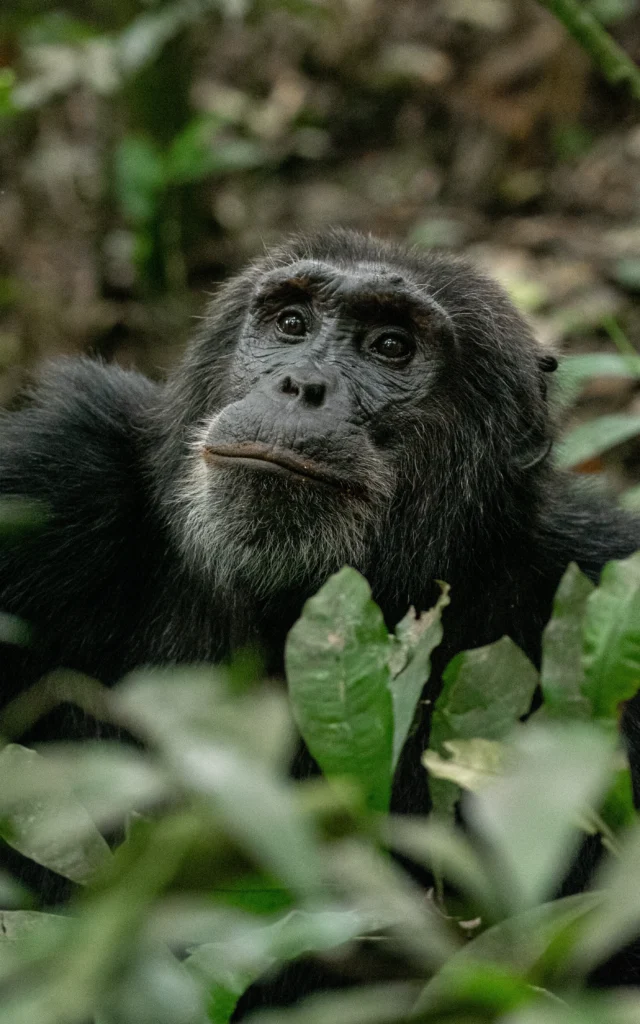
A Rare Example of Internal Primate Conflict
What makes the Ngogo case particularly remarkable is that the violence did not arise between unrelated neighboring communities, but within a single long-established group that once shared strong social bonds.
Experts compare it in some respects to the famous chimpanzee “Four-Year War” observed by Jane Goodall in Gombe in the 1970s. However, the Ngogo conflict stands out due to its scale, duration, and detailed documentation over time.
Researchers estimate that such internal splits leading to sustained lethal conflict may occur only once every several centuries in chimpanzee populations.
Scientific Importance of the Ngogo Study
The ongoing research provides one of the most detailed datasets ever collected on chimpanzee social behavior, drawing from decades of continuous observation.
Scientists emphasize that the Ngogo conflict offers rare insight into how cooperation can break down in primate societies and how organized aggression can emerge from within tightly bonded groups.
The findings also contribute to broader discussions about the evolutionary roots of human conflict, showing how social fragmentation and competition for resources can drive organized violence in closely related species.
A Forest of Beauty and Brutality
Kibale National Park remains a major destination for researchers and tourists alike, but the Ngogo story adds a deeper, more complex layer to its ecological significance.
While the forest continues to offer extraordinary wildlife encounters, the unfolding chimpanzee conflict serves as a reminder that nature is shaped by both cooperation and conflict, often existing side by side in unexpected ways.
Also Read
Rhinos Set to Return to Kidepo Valley National Park After Four Decades
Uganda Hosts Canadian Tourism Delegation to Boost Visitor Numbers and Strengthen Travel Partnerships